Storm-Proof Building: How to Protect Homes and Businesses with Cemwall
In recent years, communities across the United States have seen storms grow stronger and more frequent. Hurricanes, tornadoes, and severe weather events leave behind billions of dollars in damage and force families and businesses to rebuild again and again. For those living along the Gulf Coast, the Southeast, and other storm-prone areas, the question is no longer if another storm will come but when. This reality is reshaping the way people think about construction, and it has put storm-resistant building at the top of the priority list. Cemwall Systems is at the forefront of this shift, providing a proven solution that protects homes and businesses with reinforced concrete wall panel systems designed to withstand extreme weather.
Traditional wood-framed construction has been the standard for decades, but its limitations are well known. High winds tear through lightweight framing, flying debris can puncture walls, and water intrusion often leads to rot and mold. For homeowners and business owners, that means more vulnerability and higher repair bills after each storm. It also means an unsettling lack of security when the weather turns dangerous. Cemwall Systems was created to provide a better answer. By combining cement fiber panels with a reinforced concrete core, Cemwall creates walls that are not only stronger but specifically designed to resist the conditions that cause the most damage during a storm.
One of the most significant features of Cemwall’s system is its tested ability to withstand wind forces up to 250 miles per hour. That level of performance makes a difference in places where hurricanes are a recurring threat. In addition to wind strength, the panels are impact tested to resist flying debris, which is often the cause of catastrophic damage in high-wind events. A single piece of debris can penetrate a traditional wall and compromise an entire structure, but Cemwall’s reinforced design holds firm. Families and businesses deserve this kind of protection, not temporary fixes that fall apart under pressure.
Fire resistance is another important factor when considering storm-proof building. Many people think only about wind and rain when a storm approaches, but the truth is that fires often break out in the aftermath of hurricanes and tornadoes due to downed power lines and other hazards. Cemwall panels have zero burn and zero spread ratings, which means the walls will not ignite and contribute to fire damage. That added protection gives homeowners and business owners more confidence that their property can withstand more than one type of disaster.
Moisture is another hidden enemy in storm zones. Even when a structure survives the initial impact, lingering moisture can seep into walls and create long-term damage. Mold, mildew, and rot are expensive to repair and harmful to health. Cemwall eliminates these concerns by providing walls that resist moisture infiltration from the beginning. When you choose a storm-resistant construction system that takes both immediate and long-term threats into account, you are investing in more than just walls, you are investing in the future safety and stability of your home or business.
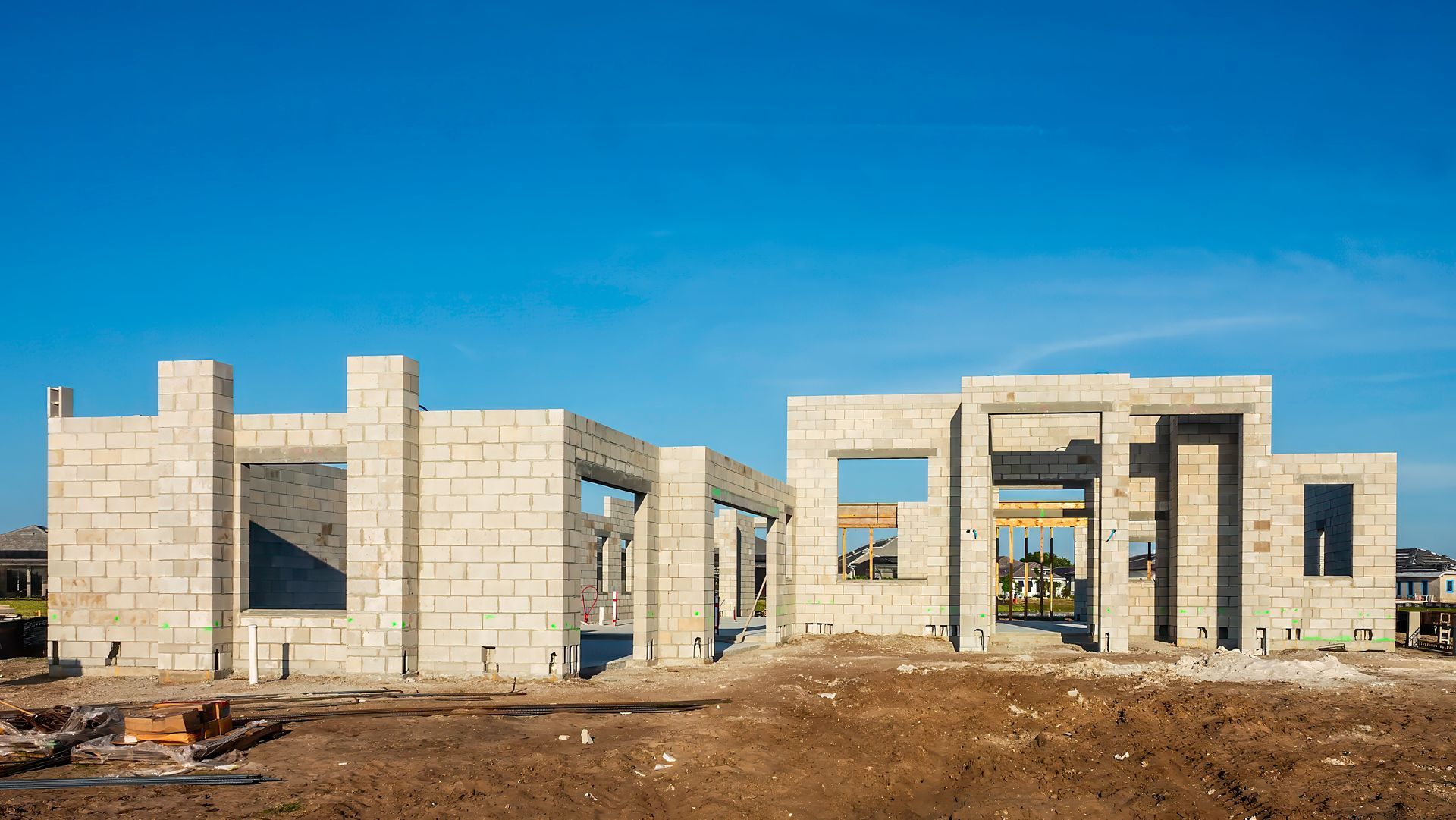
Another advantage of Cemwall’s storm-resistant design is the consistency and predictability it offers during construction. When storms are a regular occurrence, timelines are often interrupted. Cemwall’s panel system makes construction faster and easier, meaning projects can move forward with fewer delays. Crews spend less time dealing with complex formwork, less time cutting and stacking materials, and more time focusing on finishing the project. For homeowners eager to move in and for businesses that cannot afford long construction delays, this speed matters.
There is also the question of affordability. Some people believe that storm-resistant construction always comes at a higher price, but when you factor in the reduced repair costs, insurance savings, and long-term durability, the picture looks very different. Cemwall’s system is engineered to reduce callbacks and maintenance over time, which means homeowners and businesses save money in the long run. For developers, this makes projects more attractive because buyers see the value in a home or building that is built to last.
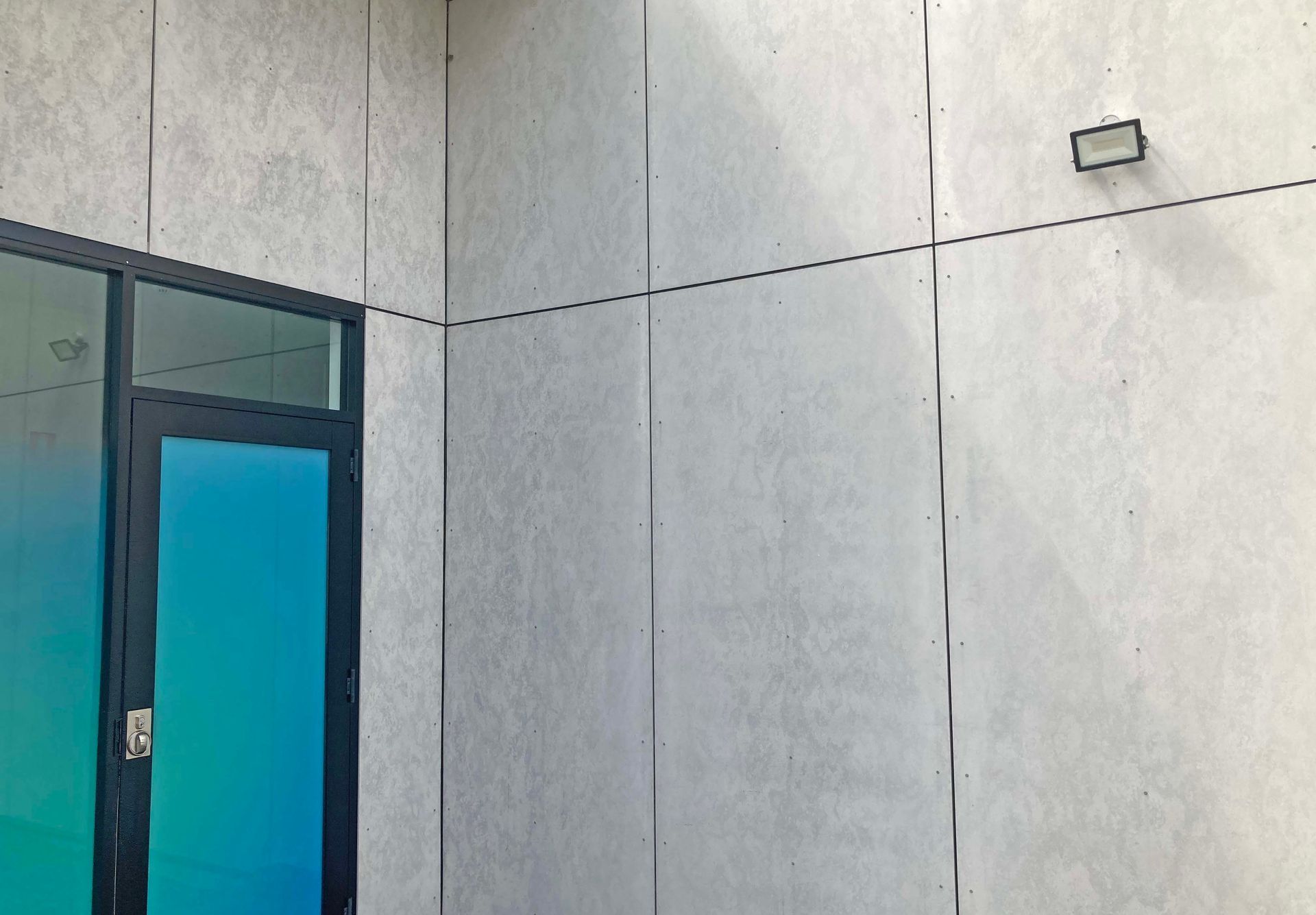
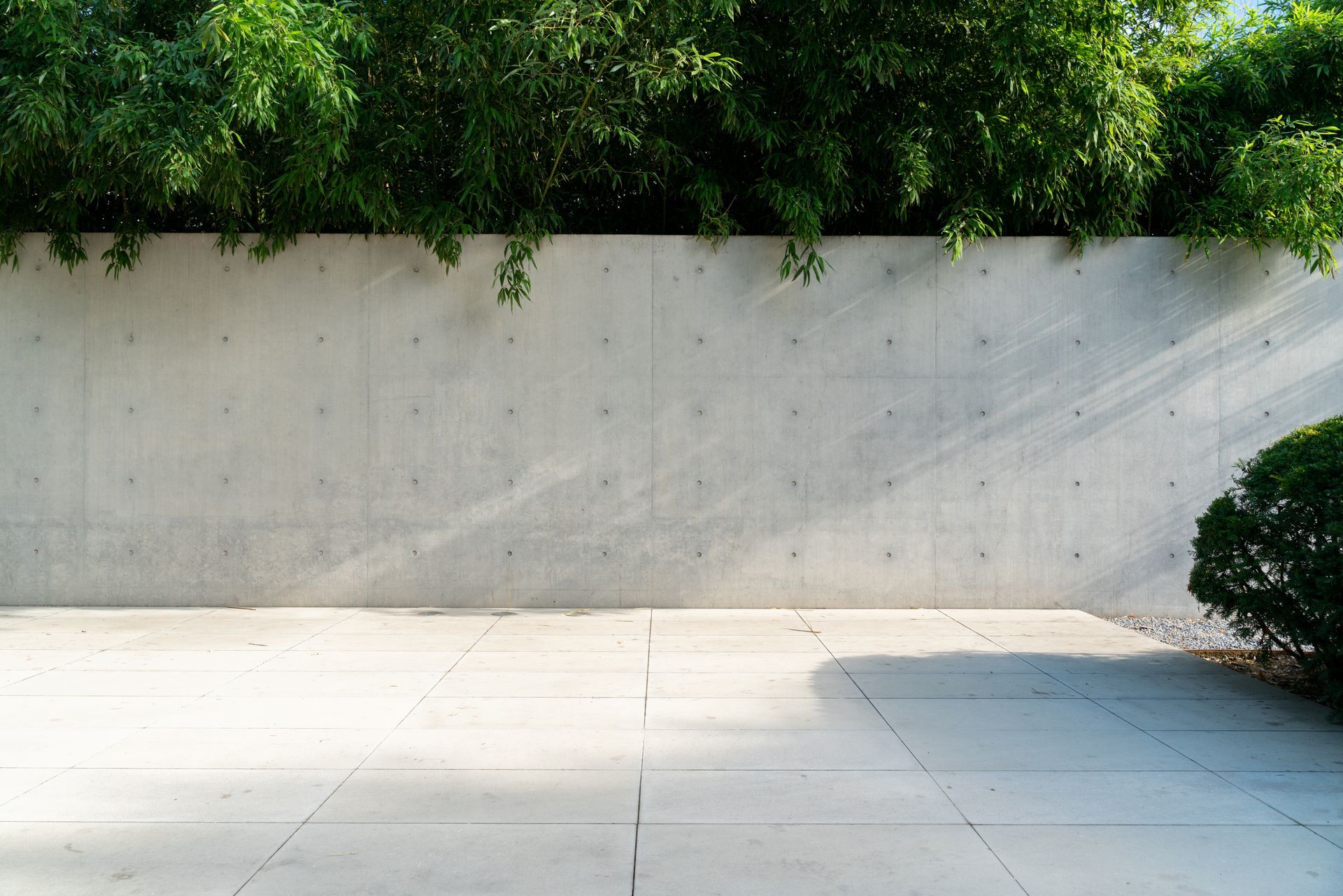
Design flexibility also plays a role in why storm-proof building is gaining traction with Cemwall. A strong home does not have to look like a bunker. Cemwall panels can be finished with brick, stucco, stone, or siding, allowing architects and homeowners to achieve the style they want without sacrificing strength. Businesses can create storefronts and facilities that reflect their brand identity while still benefiting from the safety and resilience of reinforced concrete walls. This combination of beauty and strength makes storm-proof construction not only practical but desirable.
The growing emphasis on resilient building is about more than individual safety, it is about community resilience. When homes and businesses are built to withstand storms, neighborhoods recover faster. Families can return to their lives more quickly, businesses can reopen sooner, and the economic impact of disasters is reduced. Cemwall is proud to be part of this movement, offering solutions that do not just rebuild but build better from the start.
For homeowners, building a new house with storm-resistant walls means peace of mind every time storm season rolls around. For businesses, it means protecting investments, equipment, and employees. For developers and municipalities, it means creating communities that are safer, stronger, and more affordable to maintain. Cemwall Systems makes it possible to achieve all of these goals with a single construction method that has already proven itself in some of the toughest environments.
Storms are not going away, but the way we prepare for them can change. By choosing Cemwall Systems, you are choosing more than walls, you are choosing strength, resilience, and confidence. You are choosing a building system that was designed to face the harshest conditions and come out on the other side intact. In an era where weather events are becoming more intense and more unpredictable, this level of preparedness is not optional, it is essential.
If you are planning to build a new home, start a residential development, or design a commercial project in a storm-prone area, Cemwall Systems is the partner you need. Their team can guide you through the process, provide the engineering support you need, and help you bring your vision to life with walls that are stronger, smarter, and safer. Protect your investment, protect your family, and protect your future by building with Cemwall. The best time to prepare for the next storm is before it arrives, and Cemwall Systems is ready to help you get started today.