How Builders Source Cemwall Panels: Distributors, Certification, and Planning Ahead
Fall is when most builders stop working the current season and start building the next one. Contracts get signed, subs get lined up, and material decisions that felt theoretical in June become line items.
If a concrete wall panel system is on your list for next year, there are two things about sourcing it that are different from ordering lumber or block, and both of them need to happen earlier than you would expect. This post covers how you actually get Cemwall Systems® panels onto a job, and what to line up now so the schedule works later.
We sell through distributors, not direct
Cemwall panels are manufactured in Alexander City, Alabama, on automated production lines, and sold through a regional distributor network covering Alabama, Florida, Georgia, Mississippi, and Tennessee.
Practically, that means your distributor is your relationship. They handle availability, quoting, lead time, and delivery for your area, and they know which certified installers are working near your job. Corporate can answer product and certification questions, but the distributor is who you call about a delivery date.
If your project sits outside those five states, start with a conversation rather than an assumption. Our manufacturing serves demand well beyond the Southeast, but the distributor network is what determines where we can support a build, and that is a different question. Find the distributor covering your area to see what applies to you.
Certification comes before the first panel
Every contractor and installer working with Cemwall panels completes our certified training program before installing. There is no version of this where a crew figures it out on the first job.
The reason is straightforward. The system is leave-in-place and pour-in-place, and the reinforcement details are inside the wall. Once concrete is in, an installation error is not something you fix with a callback. Training is how we keep that from happening, and it is also why we put a Cemwall instructor on site for a builder's first build. You get supervised on the one that matters most.
Our training and certification requirement page covers what the program covers and how the build sequence works at a high level. The part worth internalizing for planning purposes: certification is a prerequisite, not a parallel track. Start it before you need it, not while you are trying to hold a schedule.
What actually changes on your schedule
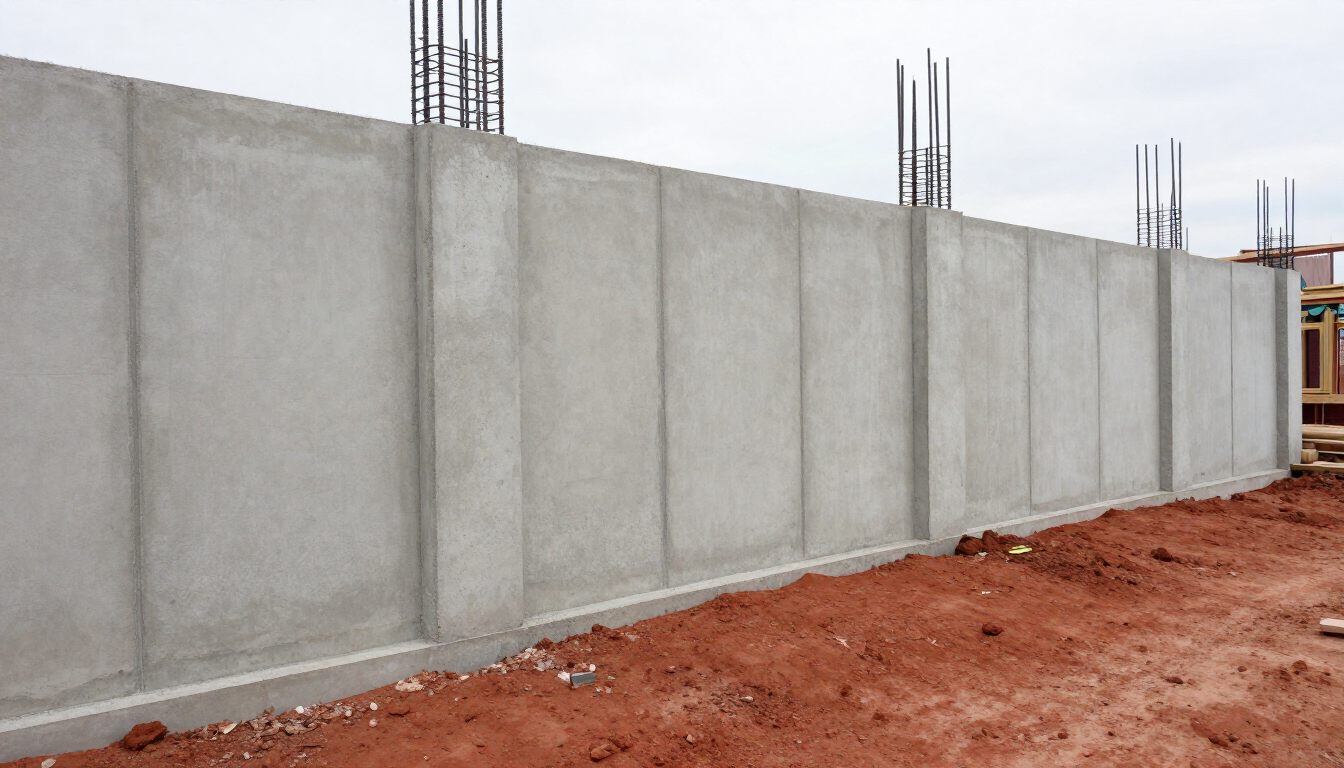
The system arrives in a standard 4' x 8' panel. Panels are set on the foundation blocks, reinforcement goes in using our Patented Cup System and Patented J-Hook Rebar, electrical boxes and internal plumbing are set within the wall, and then concrete is poured to fill it. The panel stays.
Two consequences for how you plan a job:
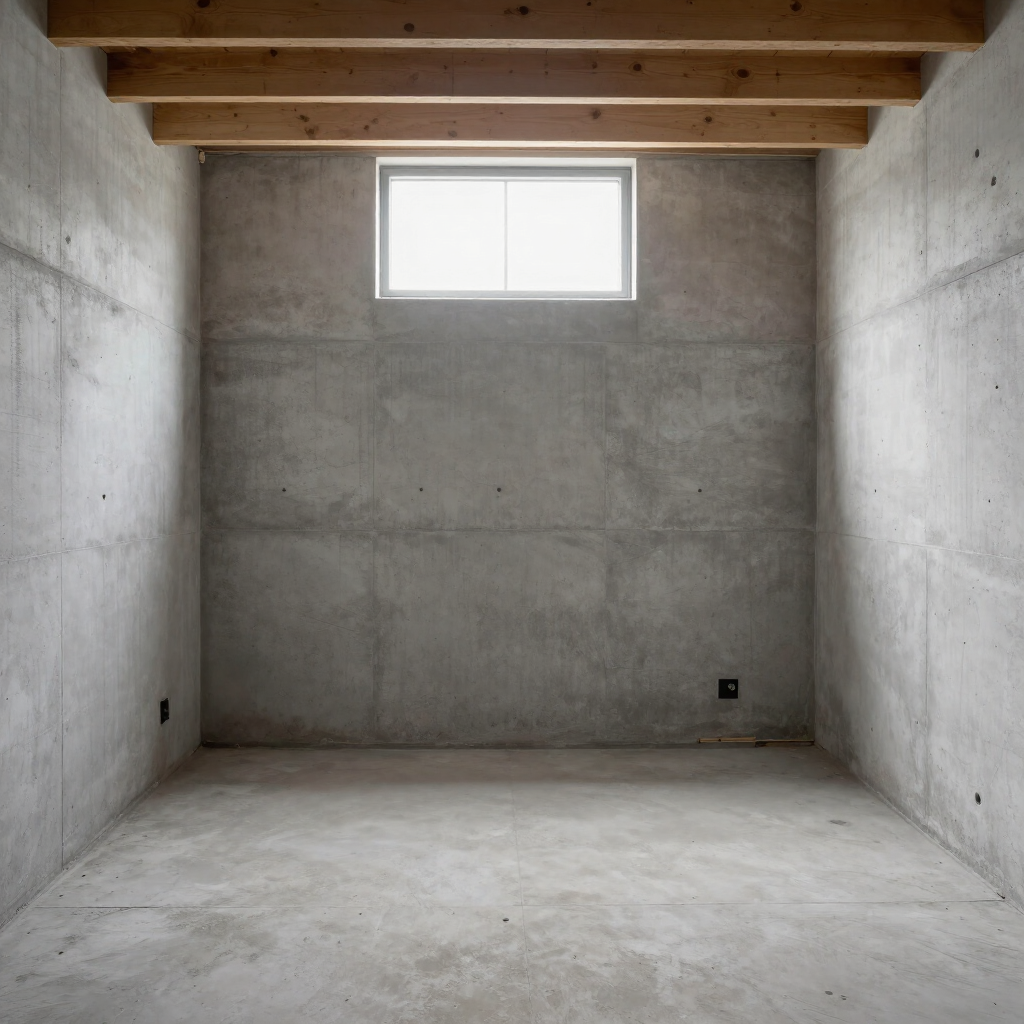
- There is no stripping operation. The forming face is the finished face, on both sides. That removes a step and a handoff from your sequence.
- Electrical and plumbing rough-in moves earlier. It happens before the pour, not after the walls are up. Your subs need to know that at the schedule meeting, not the week of.
We are not going to quote you a day count or a percentage on either of those, because it depends on your crew, your job, and how many of these you have done. Your distributor can talk through what other builders in your market are seeing.
What to have ready before you call
A distributor conversation goes faster when you show up with the basics. Most of this you already have if the job is real.
| Stage | What to do | Who to contact |
|---|---|---|
| Evaluating the system | Review the Spec Sheet and Information Handbook; get them to your engineer or architect | Cemwall representative |
| Confirming it works for your job | Structural and code determinations on your specific design | Your engineer of record and authority having jurisdiction |
| Checking availability | Confirm coverage, lead time, and delivery for your location | Regional distributor |
| Getting your crew qualified | Start the certified training program well ahead of the build | Cemwall representative or your distributor |
| Pricing the job | Request a quote with drawings, square footage, and target dates | Regional distributor |
| Ordering | Review terms and place the order | Regional distributor |
Bring drawings or at least a wall schedule, your target start date, your site location, and whether your crew is already certified. Our order policy covers the terms side.
Where the technical questions belong
Anything about structural capacity, wall heights, reinforcement design, retaining or below-grade conditions, or whether the system satisfies a particular code requirement goes to your engineer of record and your authority having jurisdiction, working from our published documentation. That is not us deflecting. It is that those are project-specific determinations and a supplier answering them for you does not help you at plan review.
The Spec Sheet, the Cemwall Information Handbook, and our FEMA and fire certification documents are the right source material. A Cemwall representative can take anything they do not cover.
Planning further ahead than you think you need to
The builders who have the smoothest first Cemwall project are the ones who started the conversation a season early. Certification takes time, your engineer needs the documentation before they can detail anything, and your first job goes better when nothing about it is a surprise.
If you want the broader case for involving a wall system specialist early on larger work, we have written about when to bring a concrete wall systems specialist into a project.
Getting started
Two paths, depending on where you are.
If you have a job in mind, find the distributor covering your area and start with availability and lead time for your dates.
If you are thinking about adding this capability to your business rather than doing one job with it, contact us about certification and tell us what kind of work you do and where. We will walk you through what the training program involves and what it takes to get your crew qualified.