Concrete Sea Walls for Waterfront Property: What Owners Should Know Before They Build
If you own lake or coastal property, the wall at the waterline works harder than almost any other structure on your lot. It holds back soil, takes wave impact and severe weather, and sits in water year after year. Choosing a concrete sea wall system is a long-term decision, so it pays to understand how the system works before you sit down with an engineer or a builder.
This guide explains how Cemwall Systems® sea walls are built, which questions to bring to your project team, and where your engineer can find the technical documentation they will need.
What a Cemwall concrete sea wall is
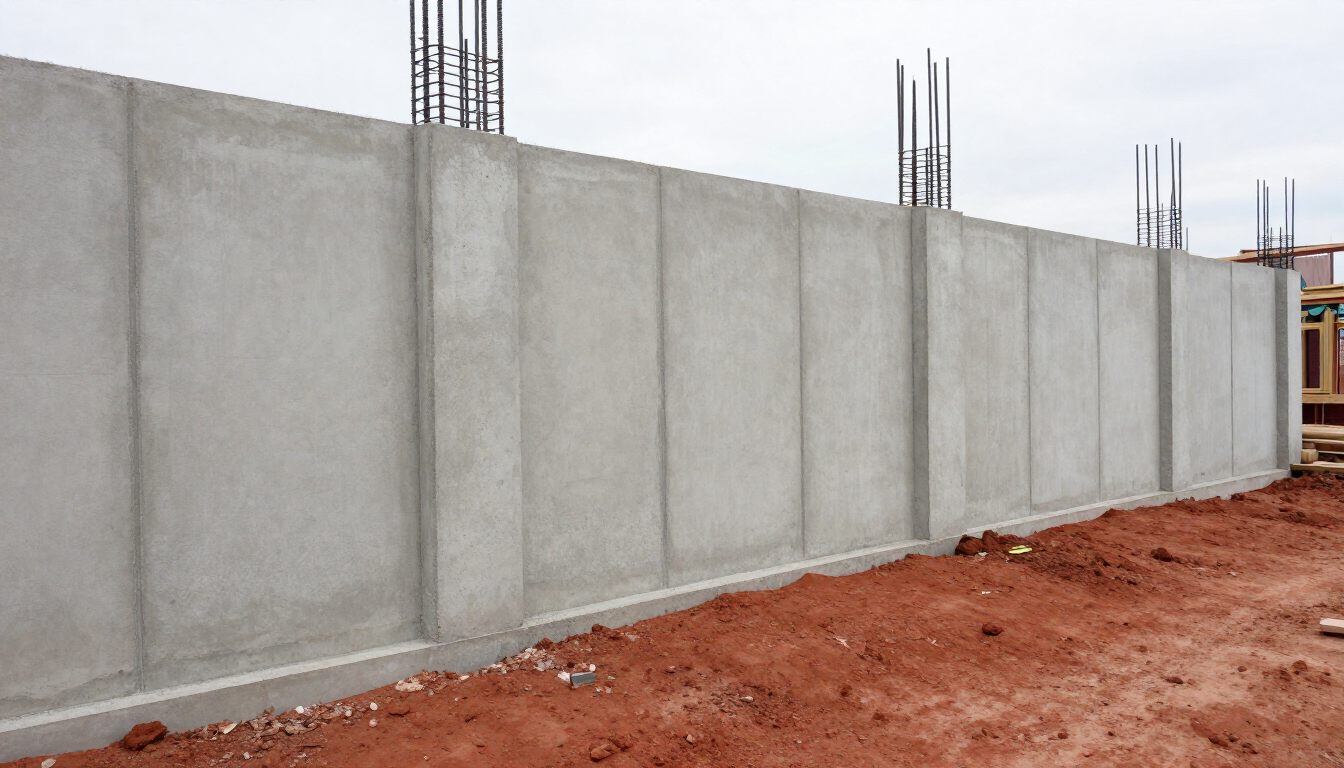
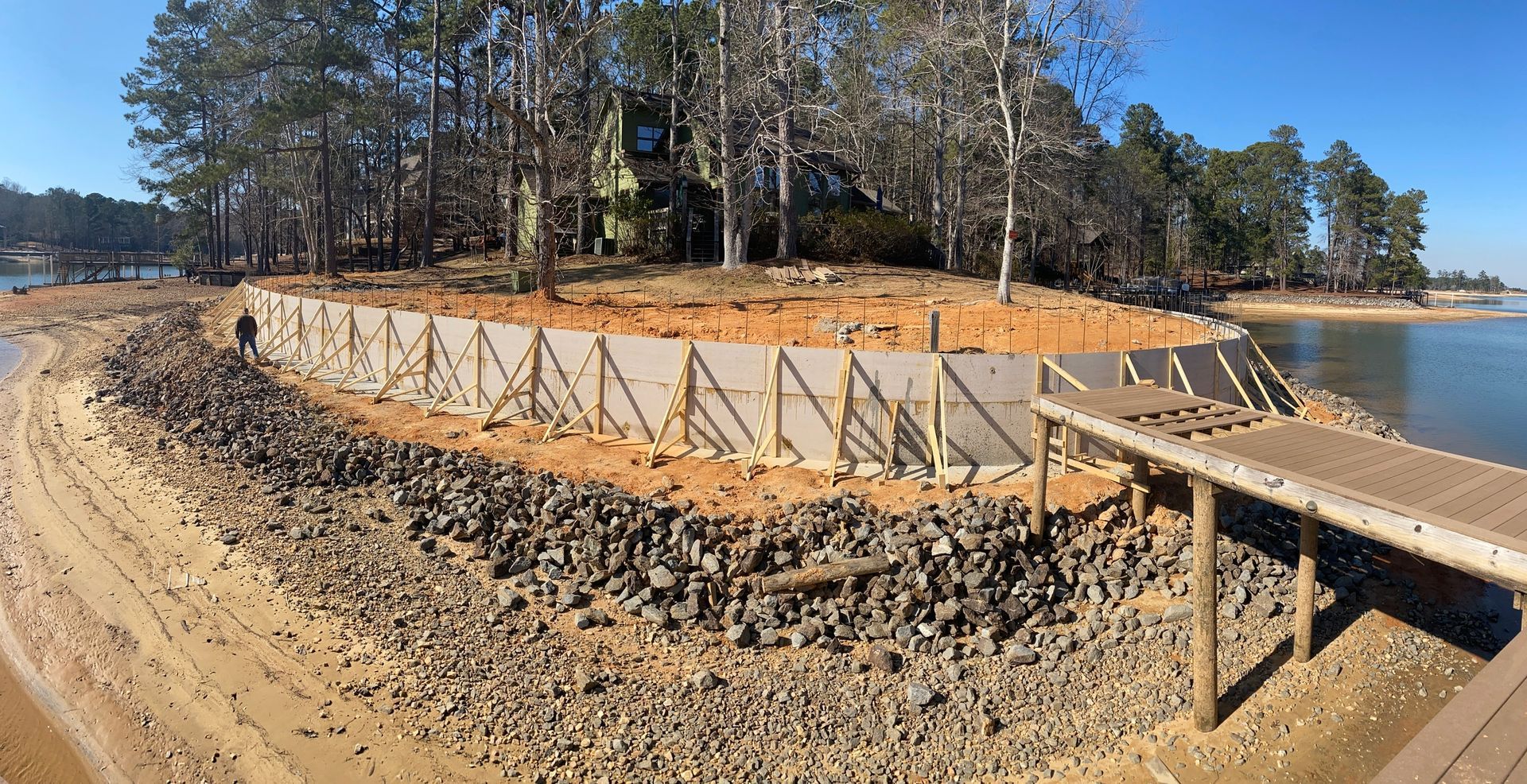
Cemwall makes a patented, leave-in-place, pour-in-place fiber cement wall panel system. Panels are assembled on site and filled with reinforced concrete. The panels are never stripped off, so they become the finished faces of the wall.
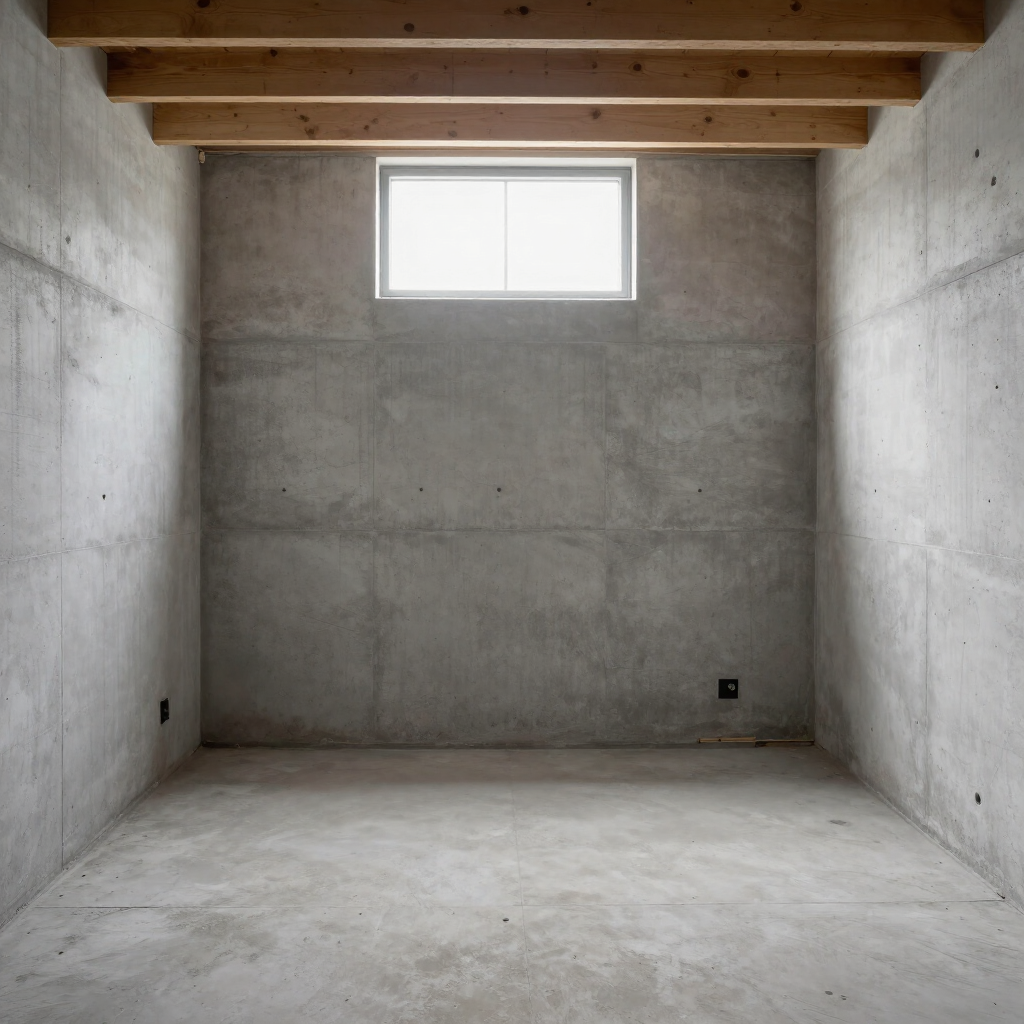
Each standard panel is 4' x 8', with 1/4" cement fiber panels on both faces surrounding a reinforced concrete core. Reinforcement is integrated using our Patented Cup System and Patented J-Hook Rebar. The same panel system is used for foundations, basements, retaining walls, and full builds, and our additional services page lists sea walls among the specialized applications we support.
Why the waterline is a demanding place to build
A shoreline wall faces conditions most walls never see. Water is present constantly, waves strike the face, and erosion works on the soil behind and beneath the structure. Severe weather adds stress on top of all of that.
Cemwall sea walls are designed to withstand extreme conditions and to protect against erosion, high-impact waves, and severe weather. Our fiber cement construction is water resistant, which helps keep moisture from infiltrating the wall.
Key takeaway: a sea wall is a structural element, not a landscaping feature. The system you choose and the people who design and build it both determine how well it holds up.
Lake and coastal sites across the Southeast
Waterfront property across our distributor network covers a wide range of conditions. Gulf Coast and Atlantic shorelines in Alabama, Florida, Georgia, and Mississippi see hurricane exposure. Inland lakes and rivers in Alabama, Georgia, and Tennessee bring their own mix of shifting water levels, boat wakes, and storm runoff.
No single wall design suits every one of those sites. What stays consistent is the panel system itself and the process around it: a licensed engineer evaluates the shoreline, a certified builder installs the wall, and your local Cemwall distributor supports the project from first conversation to finished wall.
If you are planning a sea wall alongside other waterfront work, such as a pool, retaining walls, or a home foundation, mention that early. The same Cemwall panel system can be used across those applications, which may simplify coordination on your property.
What to evaluate when choosing a concrete sea wall system
Before you compare proposals, it helps to know which questions actually separate one approach from another. Bring these to your engineer and builder:
- Exposure at your site. A sheltered lake cove and an open coastal shoreline place very different demands on a wall. Your engineer should evaluate your specific conditions before anything else is decided.
- How the wall is formed. Ask whether forms are stripped after the pour or left in place as the finished face. With Cemwall, the panels stay as part of the wall.
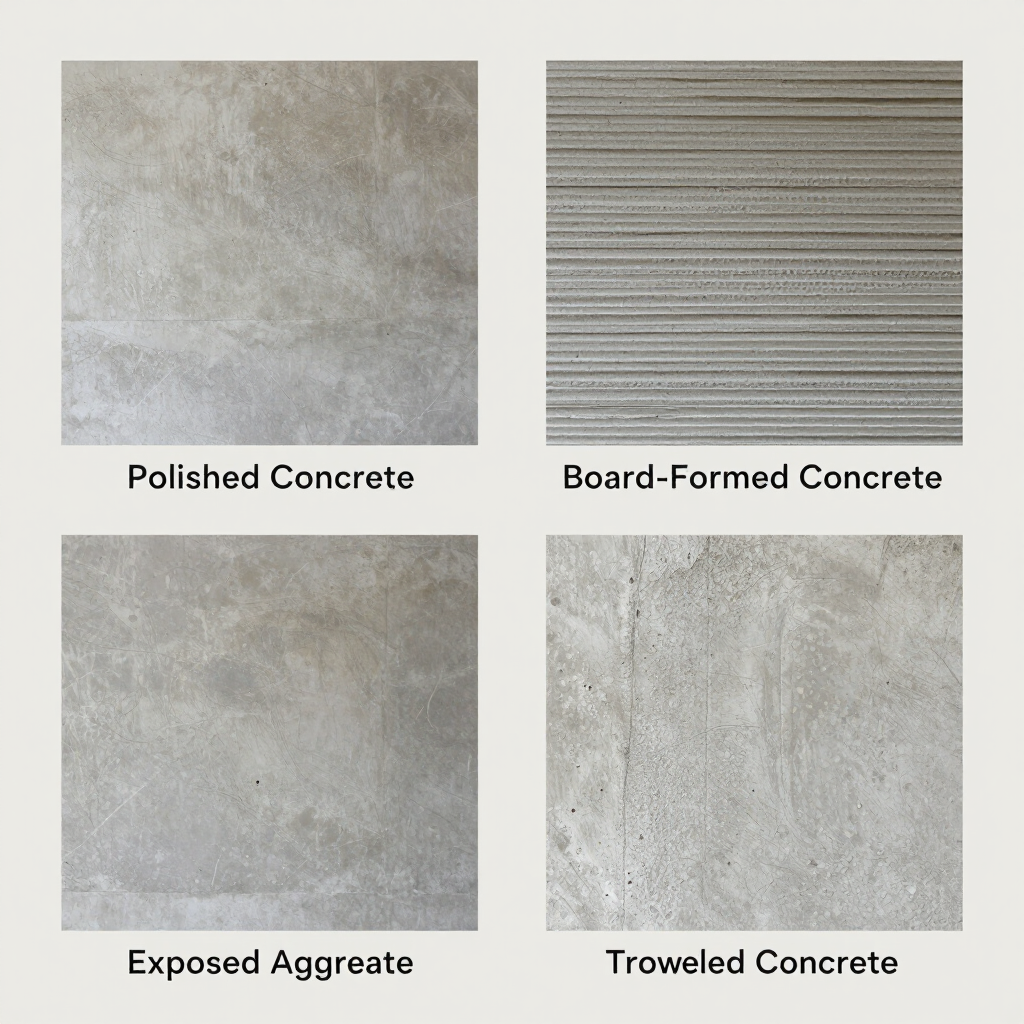
- Finished appearance. Ask what the visible face of the wall will look like and which finish options are available for your project.
- Who installs it. Ask whether the crew is trained and certified on the specific system being proposed.
- Approvals. Ask your engineer and your local authority having jurisdiction what review and approvals your project requires.
For a broader look at how the panel system is used in storm-exposed settings, see our post on unexpected applications of Cemwall panels in disaster-resilient construction.
Every sea wall needs a licensed engineer
We do not publish sea wall design guidance, and you should be cautious of anyone who offers it without seeing your site. Wall height, footing design, drainage, reinforcement, and how the wall handles soil and water pressure all depend on conditions that only an engineer can evaluate.
A licensed engineer should design your sea wall, and your plans should go through your local authority having jurisdiction. Cemwall provides documentation your engineer can work from, and our team can answer product questions throughout the process.
Why certified installation matters at the shoreline
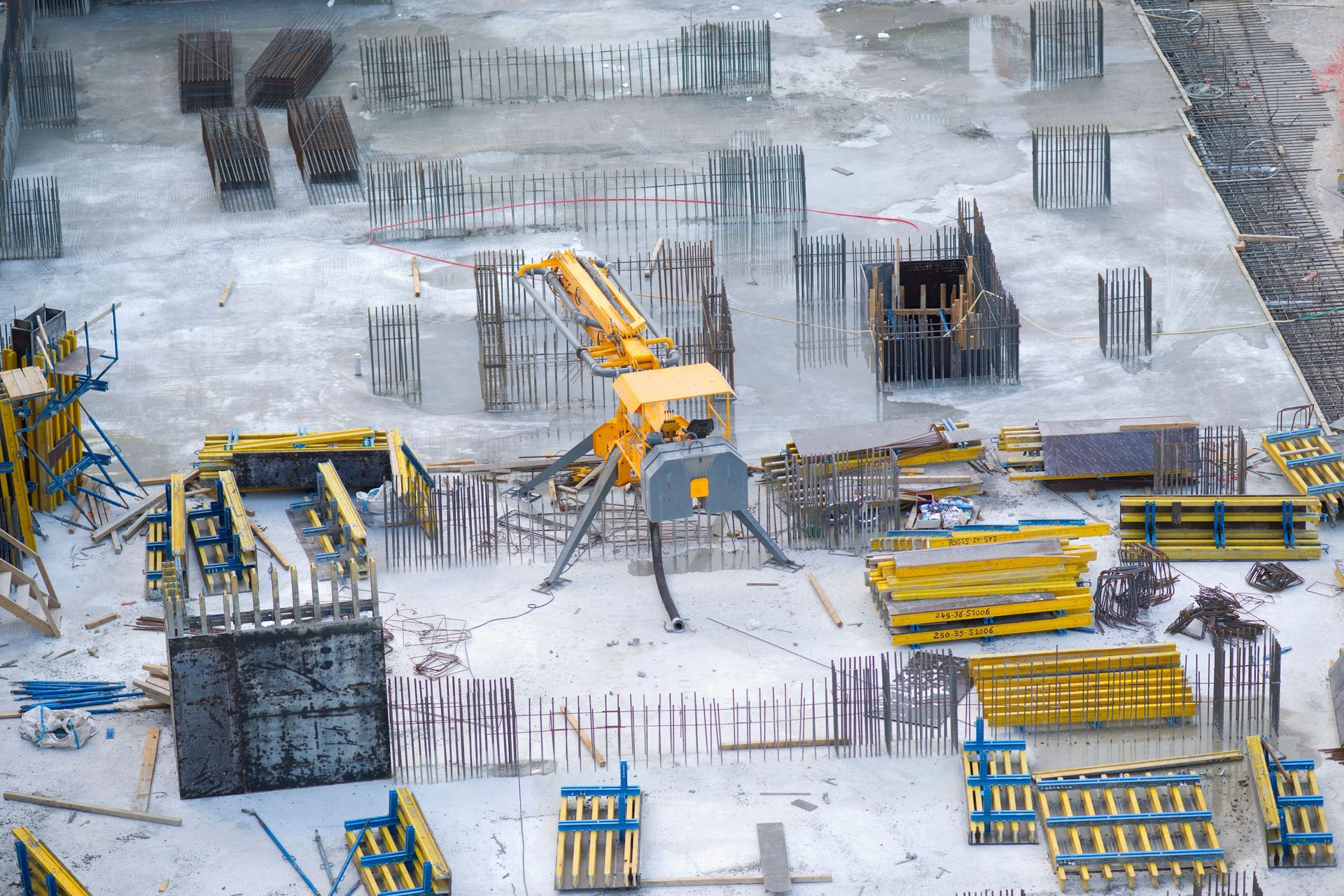
Every contractor and installer must complete Cemwall's training program before installing our panels. That requirement exists because the system's performance depends on the wall being assembled, reinforced, and poured correctly.
For a builder's first Cemwall project, our instructors are on location to support proper installation and best practices. You can read more about how training and certification work on our build process page.
When you interview builders for your sea wall, ask directly whether they are Cemwall certified. If they are new to the system, ask whether Cemwall on-site support is planned for your build.
Technical resources for your engineer and architect
Technical questions belong with documentation, not a blog post. Cemwall's resources include:
- Spec Sheet with technical details on Cemwall panels
- Cemwall Information Handbook, a comprehensive guide to the building system
- Fire Resistant Certification and FEMA Certification documentation
- Basalt Rebar Information covering reinforcement material
You will find these on our Cemwall resources and panel anatomy page. Share them with your engineer of record and architect early, and contact a Cemwall representative with any product question the documents do not answer.
Common questions about concrete sea walls
Will my sea wall look like bare concrete?
Because Cemwall panels stay in place, the visible face is the fiber cement panel rather than stripped concrete. Talk with your builder and distributor about the finish options available for your project.
Can Cemwall replace my existing sea wall?
That depends entirely on your site and the condition of what is there now. A licensed engineer needs to evaluate the shoreline and the existing structure before any replacement plan is made.
Is Cemwall available where my property is?
Cemwall is sold through distributors covering Alabama, Florida, Georgia, Mississippi, and Tennessee. Your local distributor is the best place to start.
Plan your sea wall with a local Cemwall distributor
Your distributor can connect you with product information, certified builders, and a Cemwall representative for your area. Find a Location Near You to start the conversation, or call our corporate office at 1-888-823-6925.