Concrete Basement Walls for Your New Home: A Plain-Language Guide to Cemwall
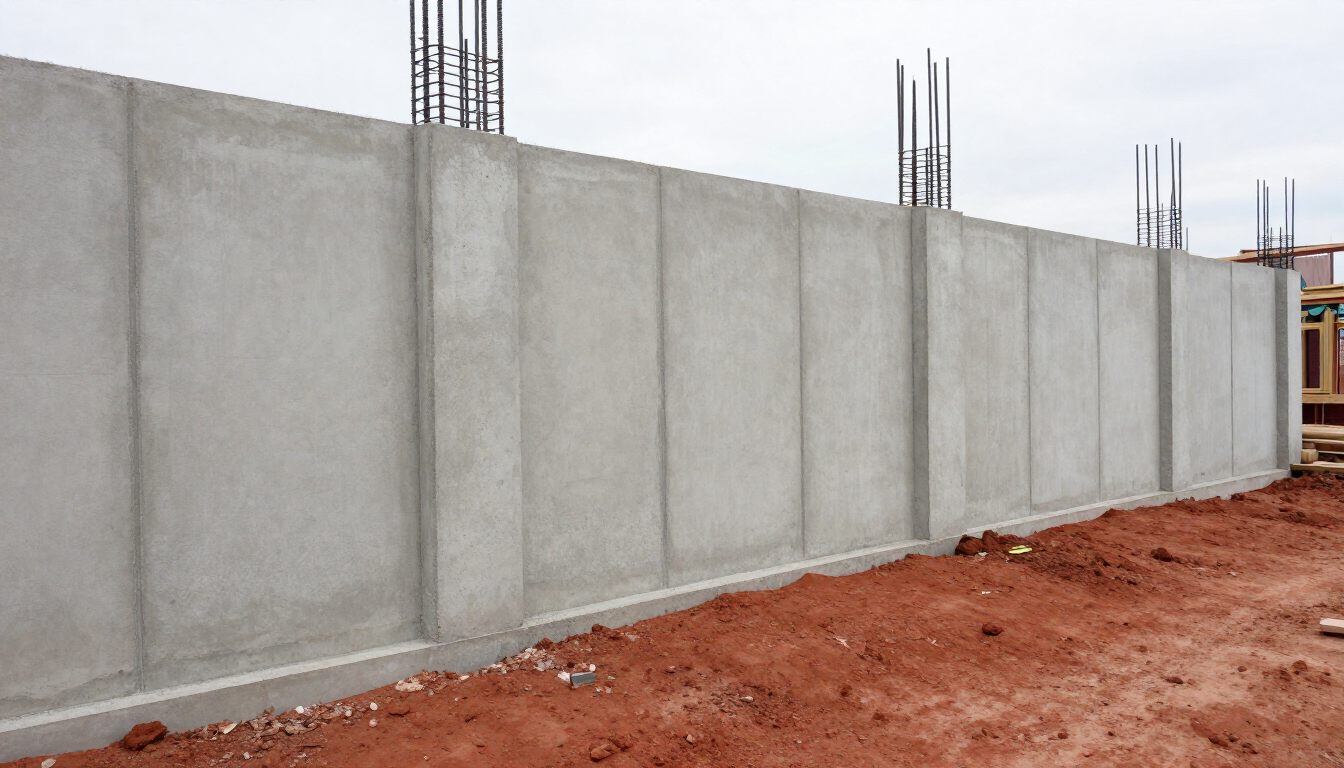
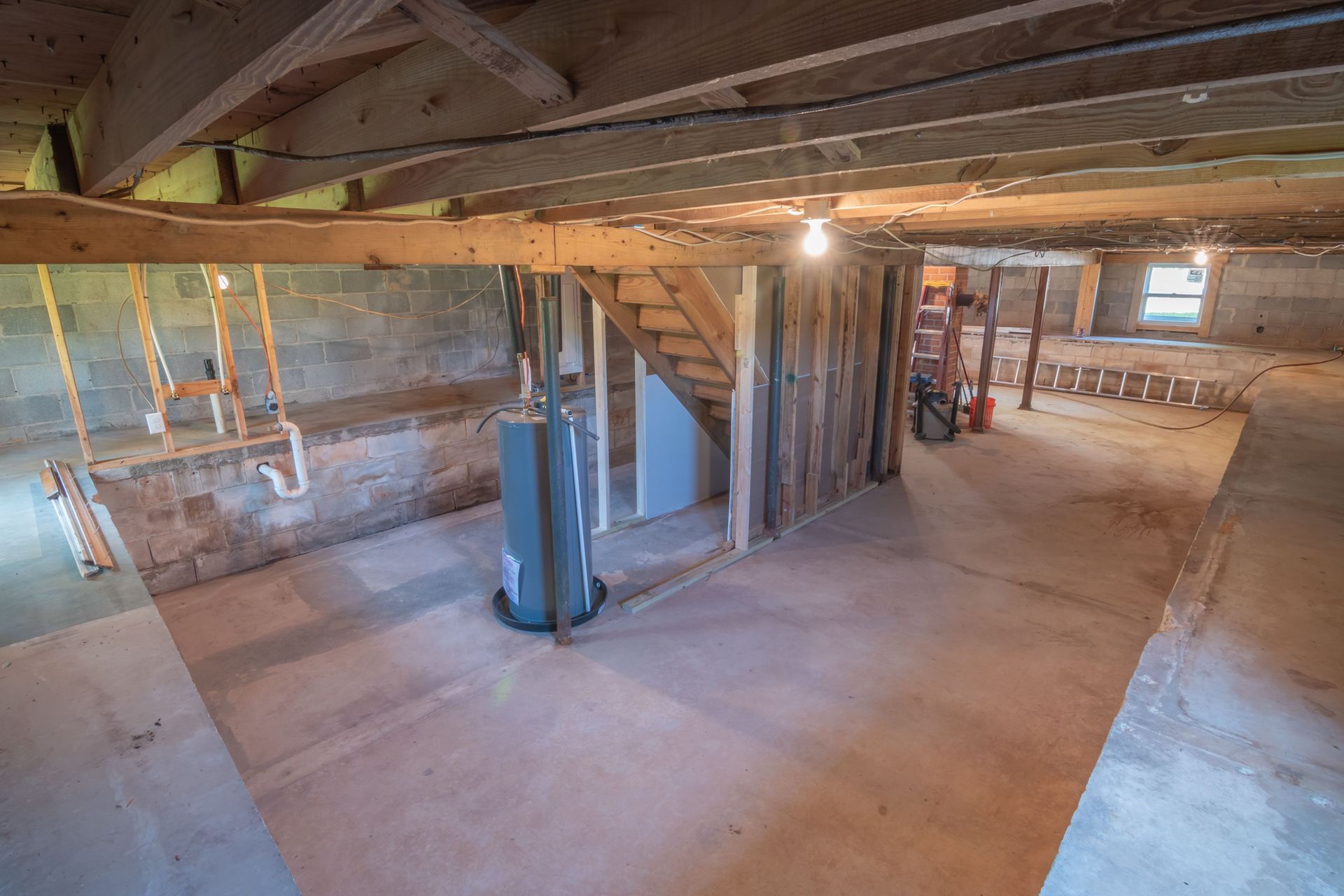
If your new home plans include a basement, the walls below ground are some of the most important in the house. They hold back soil, sit against moisture every day, and support everything built above them. Concrete basement walls built with Cemwall Systems® panels are one option your builder may bring up, and this guide explains what that means in plain terms.
You will not be building these walls yourself. A certified builder handles that. What you need is enough understanding to ask good questions and make a confident decision.
Why basement walls matter more than you might think
Walls below grade deal with soil, groundwater, and humidity in ways above-ground walls never do. Once a basement is finished with flooring, walls, and furniture, problems behind those finishes are harder and more disruptive to fix.
That is why the wall system is worth a real conversation early in planning, before the design is locked and the excavation starts.
How Cemwall concrete basement walls work
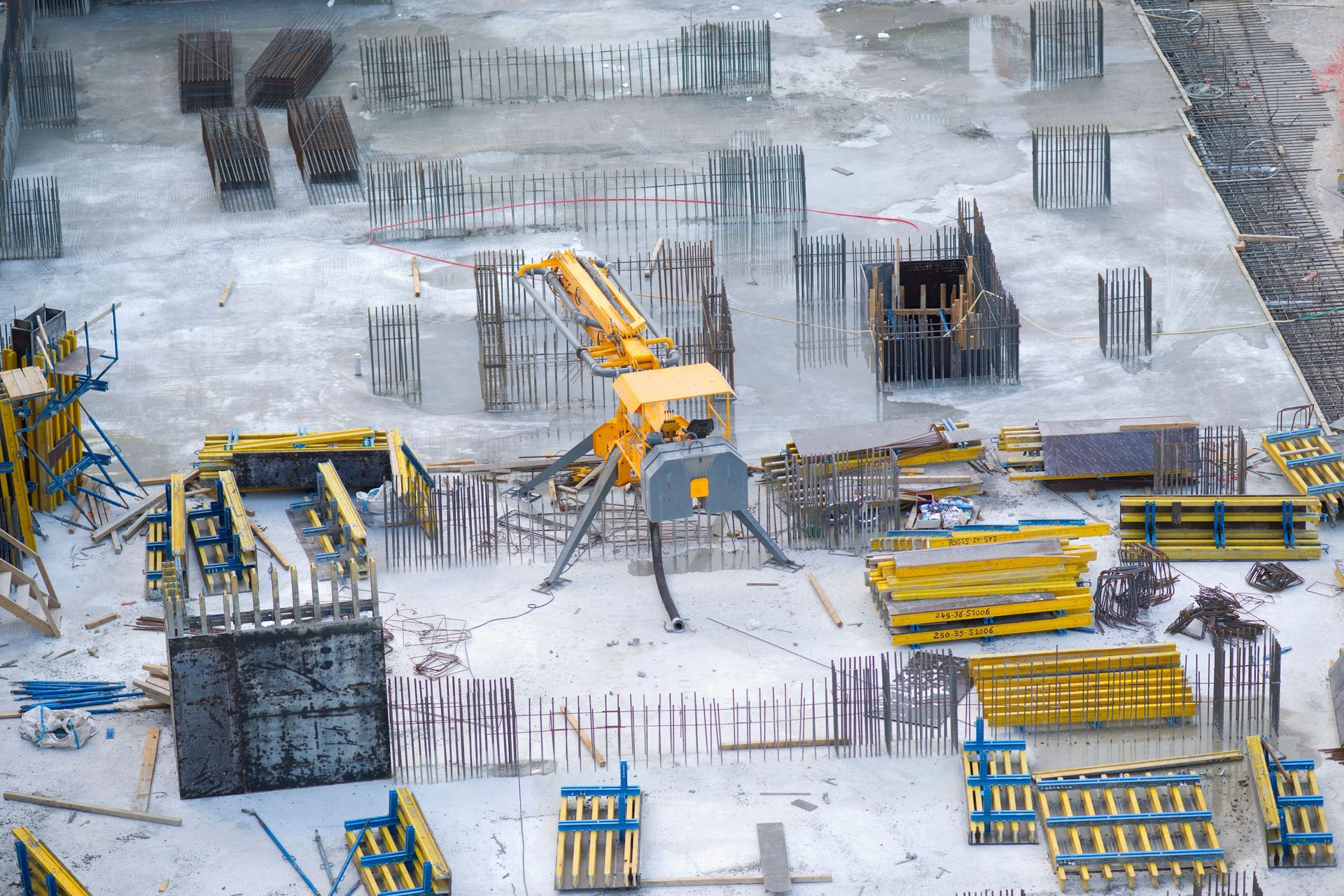
Think of a Cemwall panel as a permanent form. Fiber cement panels are assembled on site and then filled with reinforced concrete. Unlike traditional forms, the panels are never removed. They stay in place as the faces of the finished wall.
Each standard panel is 4' x 8', with 1/4" cement fiber panels on both faces around a reinforced concrete core. For basements, our high-density concrete panels are designed to deliver moisture resistance and structural integrity, helping keep the space dry and secure.
If you want to see how the panels fit together, our What Is Cemwall page shows the panel anatomy, corner assembly, and panel and footer assembly.
What a Cemwall basement can mean for your home
Here is what the system is designed to provide, in the terms that matter to a homeowner:
- Moisture resistance. Cemwall's fiber cement construction is designed to keep moisture from infiltrating the walls, which helps keep your basement dry.
- Mold and mildew. Cemwall panels are built to withstand water and humidity, which helps prevent mold and mildew.
- Termite and pest resistance. Cemwall panels resist termites and other pests, a real concern in much of the Southeast.
- Fire resistance. Cemwall panels carry a 0 burn and 0 spread fire rating.
- Stable temperatures. Cemwall is designed to help keep indoor temperatures stable through the year.
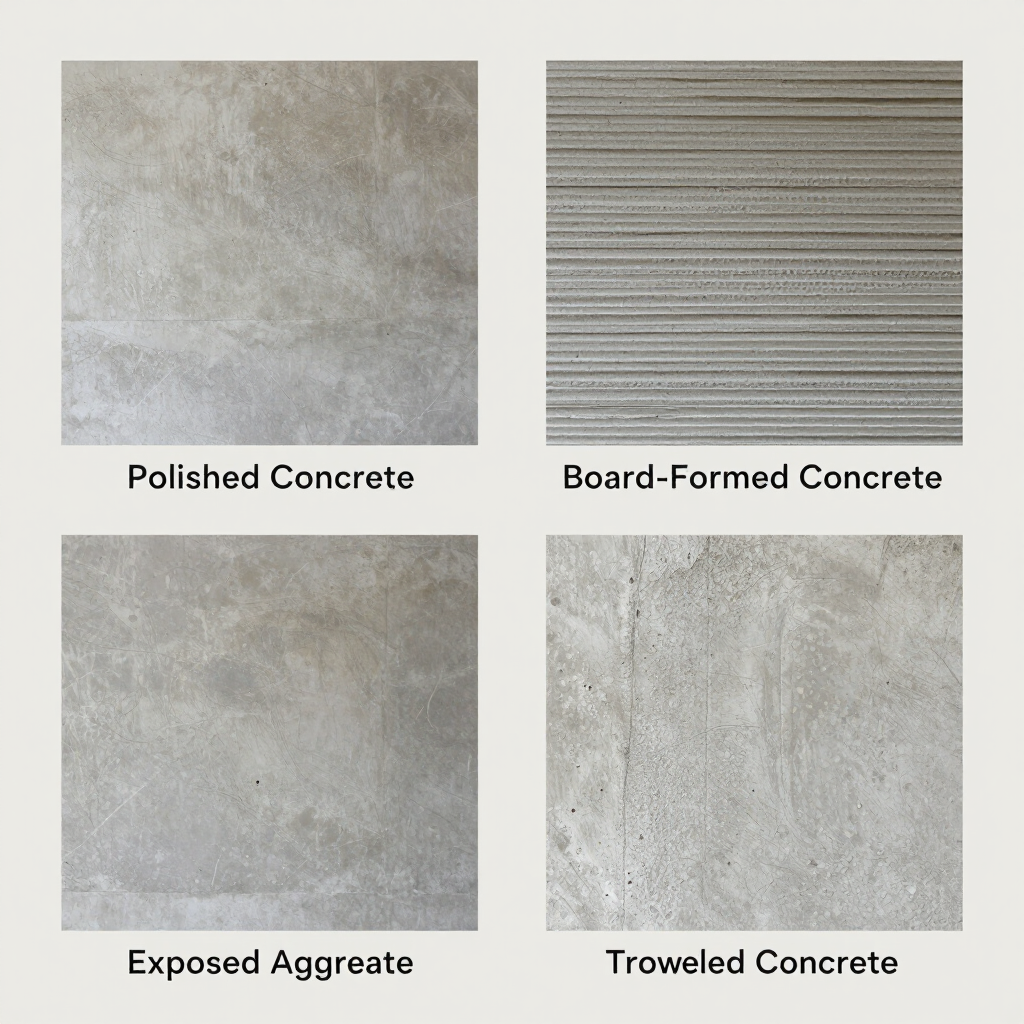
- Finish flexibility. You can keep the clean look of the fiber cement panels or finish the interior with drywall, plaster, or paint.
Key takeaway: the basement wall system is one of the few parts of your home that is very hard to change later. Choose it on purpose, with your builder and engineer, rather than by default.
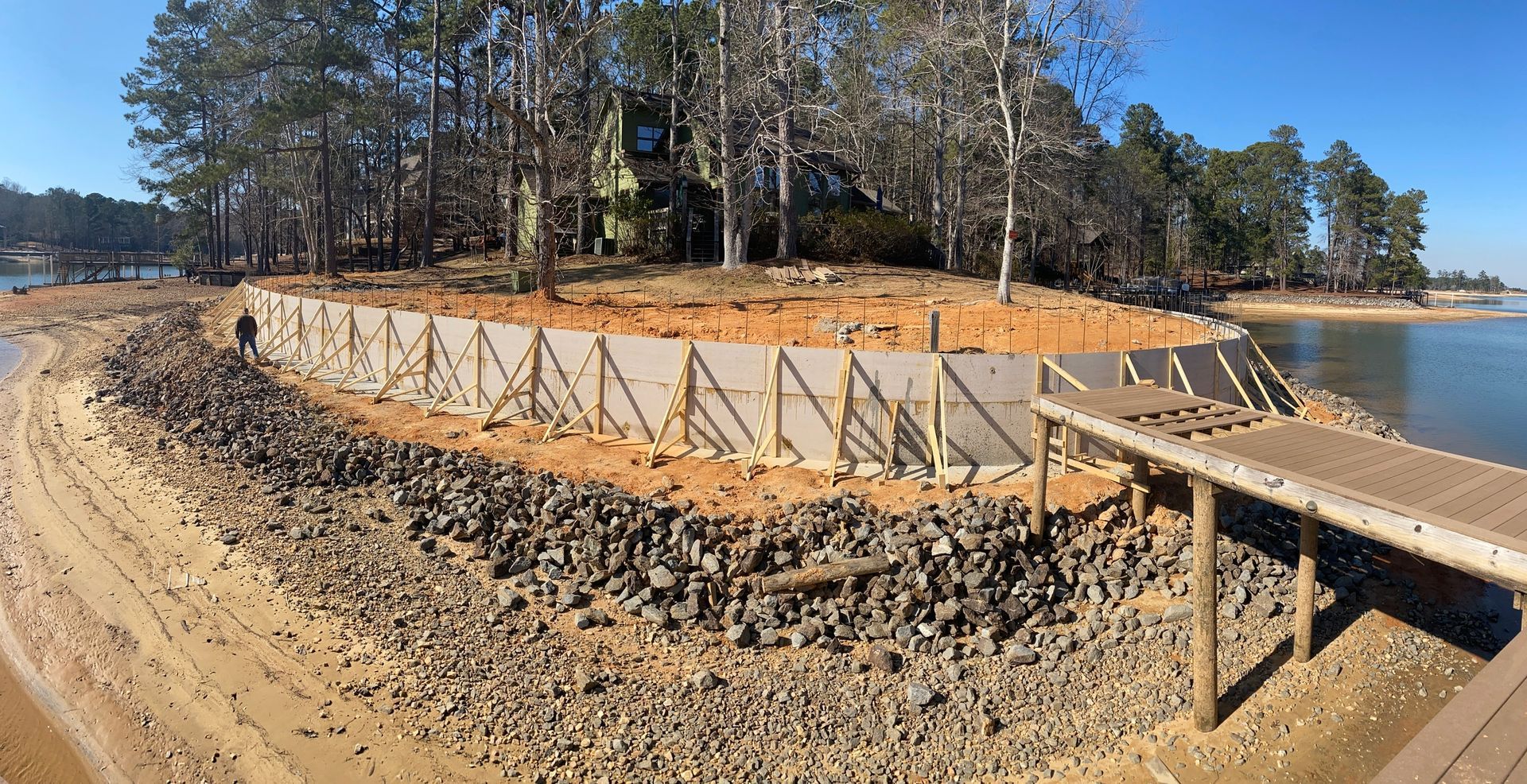
You can read more about these attributes on our additional services page, where basements are listed alongside pools, sea walls, safe rooms, and data centers.
When to bring up Cemwall in your home planning
The earlier, the better. The basement wall system affects your foundation design, your engineer's work, your builder's schedule, and which crews are involved. Raising it after plans are finished can mean redesign.
A good rhythm looks like this:
- While you are choosing a builder, ask whether they are Cemwall certified or work with a certified installer.
- While your plans are being drawn, make sure your architect and engineer know you are considering Cemwall so they can work from Cemwall's documentation.
- Before you sign a contract, confirm in writing which wall system your basement will use and who will install it.
If you are building next year, the months before construction season are a good time to have these conversations, while there is still room to make changes.
Questions to ask your builder before you commit
A good builder will welcome these questions. Bring them to your next meeting:
- Are you a Cemwall certified installer?
- Is this your first Cemwall build? If so, will Cemwall on-site support be scheduled for the project?
- Who is the engineer for the foundation and basement walls?
- How will drainage and moisture protection be handled for my particular lot?
- What interior finish will the basement have, and at what stage will it be installed?
- Who is the Cemwall distributor for my area?
Why your builder has to be certified
Every builder and contractor must complete Cemwall's training program before installing our panels. The system performs as designed only when it is assembled, reinforced, and poured correctly, and training is how we make sure that happens on every project.
For a builder's first Cemwall build, our instructors are on location to support proper installation and best practices. Our build process page explains how training and certification work.
If a builder offers to install Cemwall panels without certification, that is a reason to keep looking.
The technical side: what your builder and engineer will use
Basement walls are below-grade structures, and they need to be designed by a licensed engineer for your specific site. Soil, water, wall height, and footing design are engineering decisions, and they should not be made from a blog post or a general rule of thumb.
Your builder and engineer can work from Cemwall's Spec Sheet and the Cemwall Information Handbook, both available from our resources section. Your plans will also go through your local authority having jurisdiction. If anyone on your team has a product question, a Cemwall representative can help.
Curious how panel systems are changing home construction more broadly? Read why concrete wall panel systems are the future of residential construction.
Common questions from homeowners
Will my basement look like a concrete bunker?
Not unless you want it to. Some homeowners like the clean look of the panels, while others finish with drywall, plaster, or paint so the basement feels like the rest of the house.
Is Cemwall available where I am building?
Cemwall is sold through distributors covering Alabama, Florida, Georgia, Mississippi, and Tennessee. Your local distributor can tell you about availability and certified builders in your area.
Start planning your basement
The best first step is a conversation with your local distributor. Find a Location Near You , or reach our team at 1-888-823-6925 or info@cemwallsystems.com.