Termites, and Storms: How Concrete Wall Panels Hold Up in the Southeast
If you are building a house anywhere between the Tennessee Valley and the Gulf, three things are going to work on that house for as long as you own it: humidity, insects, and weather. None of them are dramatic on any given Tuesday. All of them add up.
Most people choosing a wall system think about it in terms of what the house looks like. It is worth thinking about it in terms of what the walls are made of too. This post explains what concrete wall panels for humid climates actually are, in plain terms, and what they do and do not handle.
What a concrete wall panel is
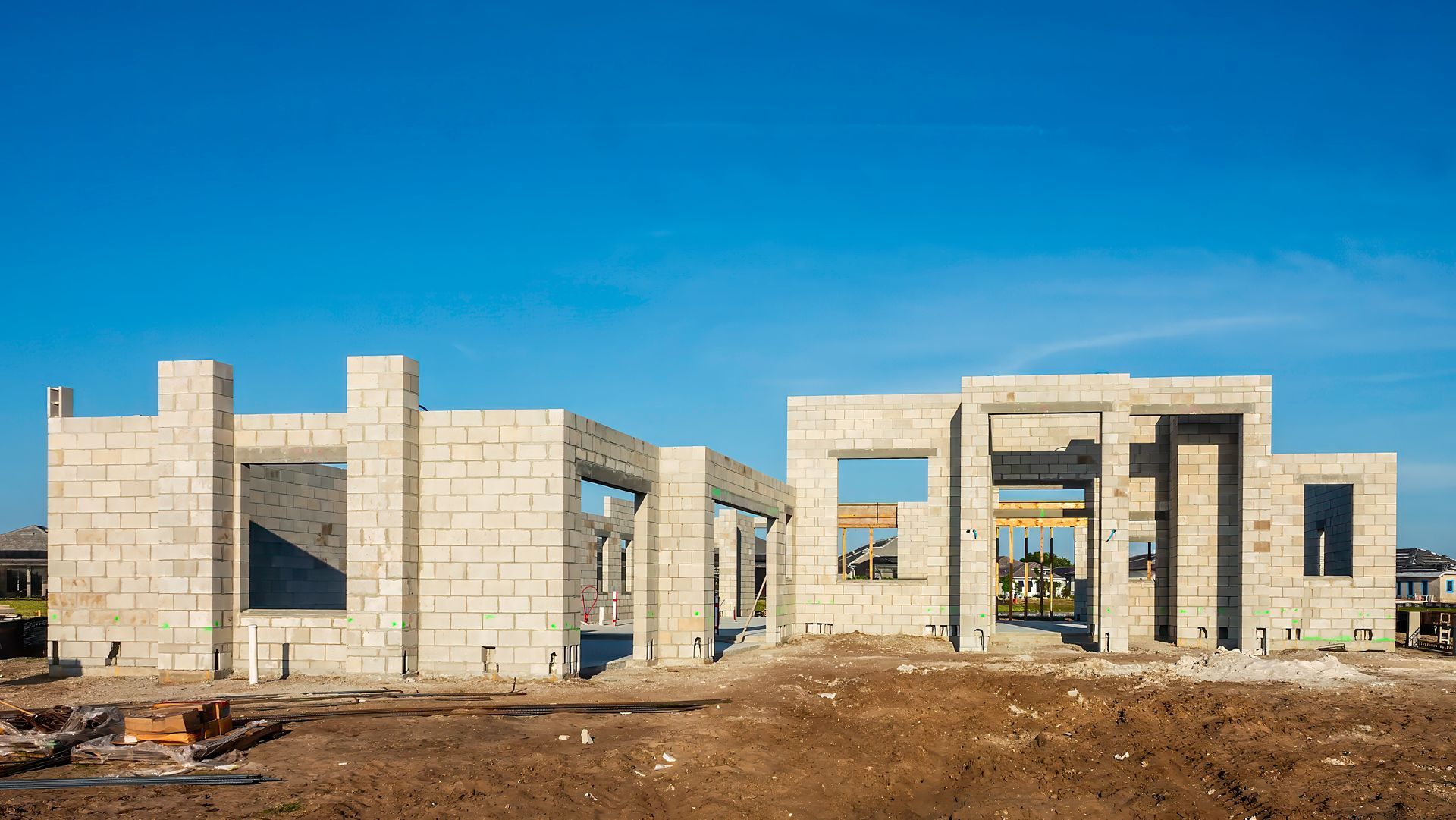
Cemwall Systems® makes a wall panel that comes to the site in a standard 4' x 8' size. Your builder assembles the panels into the shape of the house, and then concrete gets poured into them on site. The panel stays in place permanently and becomes part of the wall.
Each panel is a 1/4" cement fiber panel on the outside, a 1/4" cement fiber panel on the inside, and a reinforced concrete core in between. There is no wood in that assembly. If you want the detailed version of what the panels are made of, our system page walks through it.
The short way to think about it: instead of building a wooden frame and then covering it, you build a concrete wall and then finish it.
Humidity and moisture
Southeast humidity is patient. It gets into wall cavities, it condenses, and over years it does quiet damage that nobody sees until a renovation.
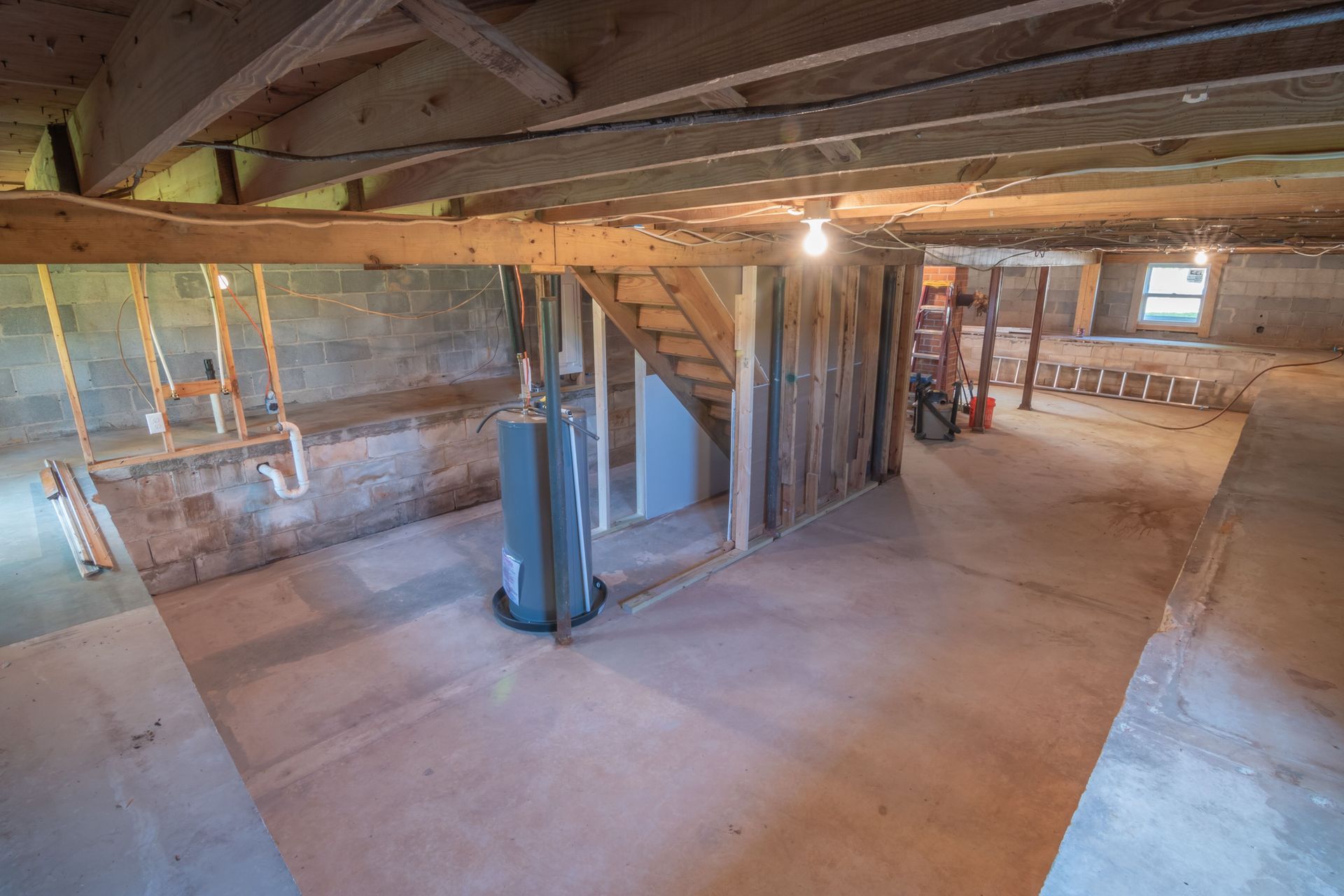
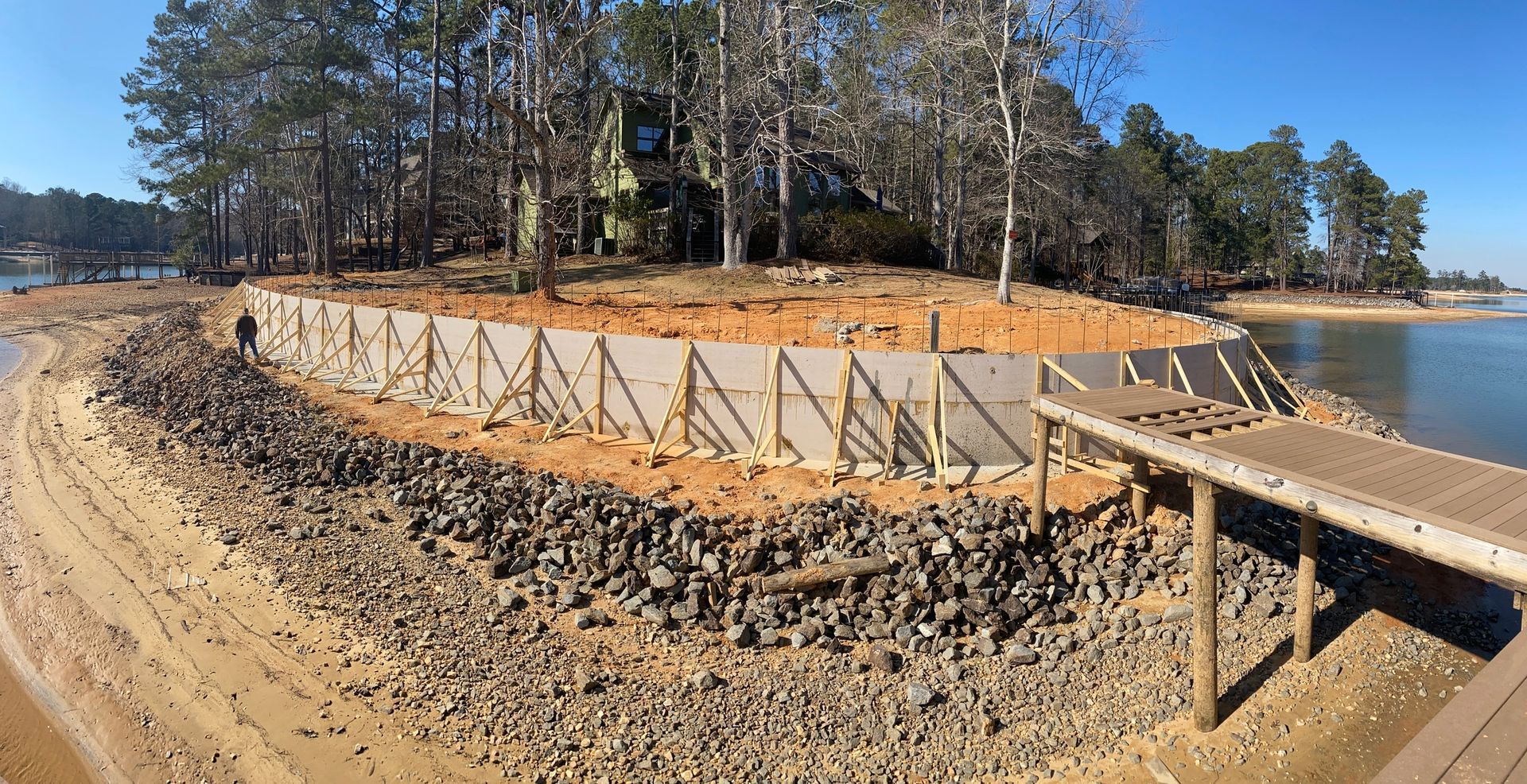
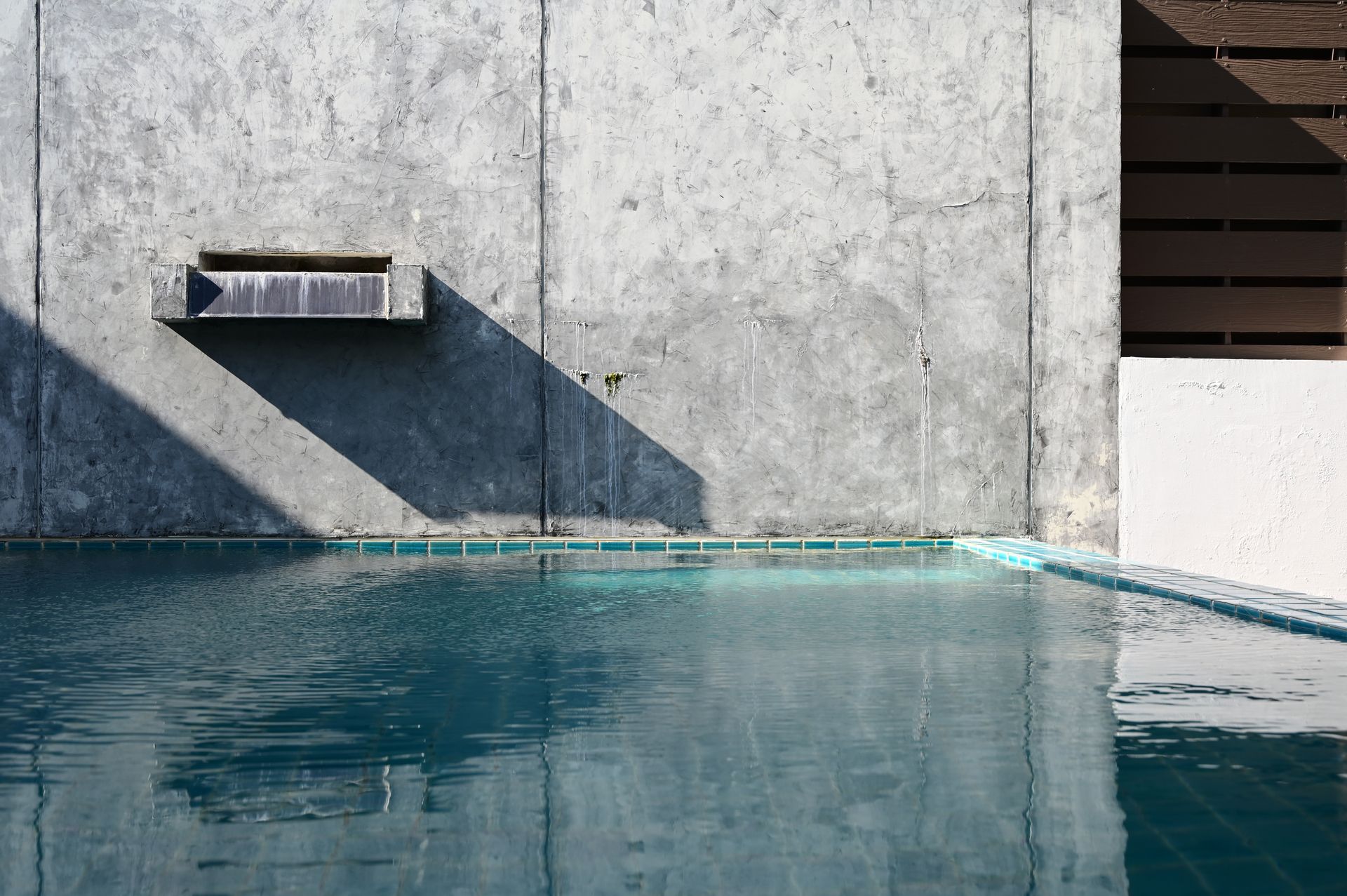
Cemwall panels are moisture resistant. The fiber cement construction is built to withstand water and humidity, which is the same property that makes the system a candidate for basements, pools, and shoreline walls. It is not a substitute for good drainage, flashing, and site grading, and any builder who tells you a material makes those unnecessary is telling you something wrong. But the wall itself is not a material that swells, rots, or feeds mold.
Termites and other pests
The Southeast has some of the heaviest termite pressure in the country, and a concrete wall is not food.
Cemwall panels resist termites and other pests. That does not mean your house becomes untouchable — you will still have wood in a roof structure, in cabinetry, in trim, and in whatever landscaping sits against the foundation, and you should still keep a pest management plan. What it does mean is that the structural walls are not part of the problem.
Fire and storms
Two things we can state precisely, because they are certified:
- Cemwall panels carry a 0 burn and 0 spread fire rating.
- Cemwall panels are FEMA-certified and impact rated for winds up to 250 mph.
We say resistant rather than proof, and we mean it. No wall system makes a house immune to a hurricane or a wildfire. Roofs fail, windows fail, and water finds a way in. What a mass concrete wall changes is how much of the structure is still standing and intact afterward, which for most homeowners is the difference between a repair and a rebuild.
| The condition | What the panel system offers |
|---|---|
| Year-round humidity and heavy rain | Moisture resistant fiber cement construction, built to withstand water and humidity |
| Termites and other pests | Panels resist termites and other pests; no wood in the wall assembly |
| Fire exposure | 0 burn and 0 spread fire rating |
| Hurricanes, tornadoes, severe storms | FEMA-certified, impact rated for winds up to 250 mph |
| Wanting the house to look like a house | Fiber cement siding, brick, or stucco outside; drywall, plaster, or paint inside |
It still looks like a normal house
This is the question most homeowners actually want answered, and the answer is that nobody driving past will know.
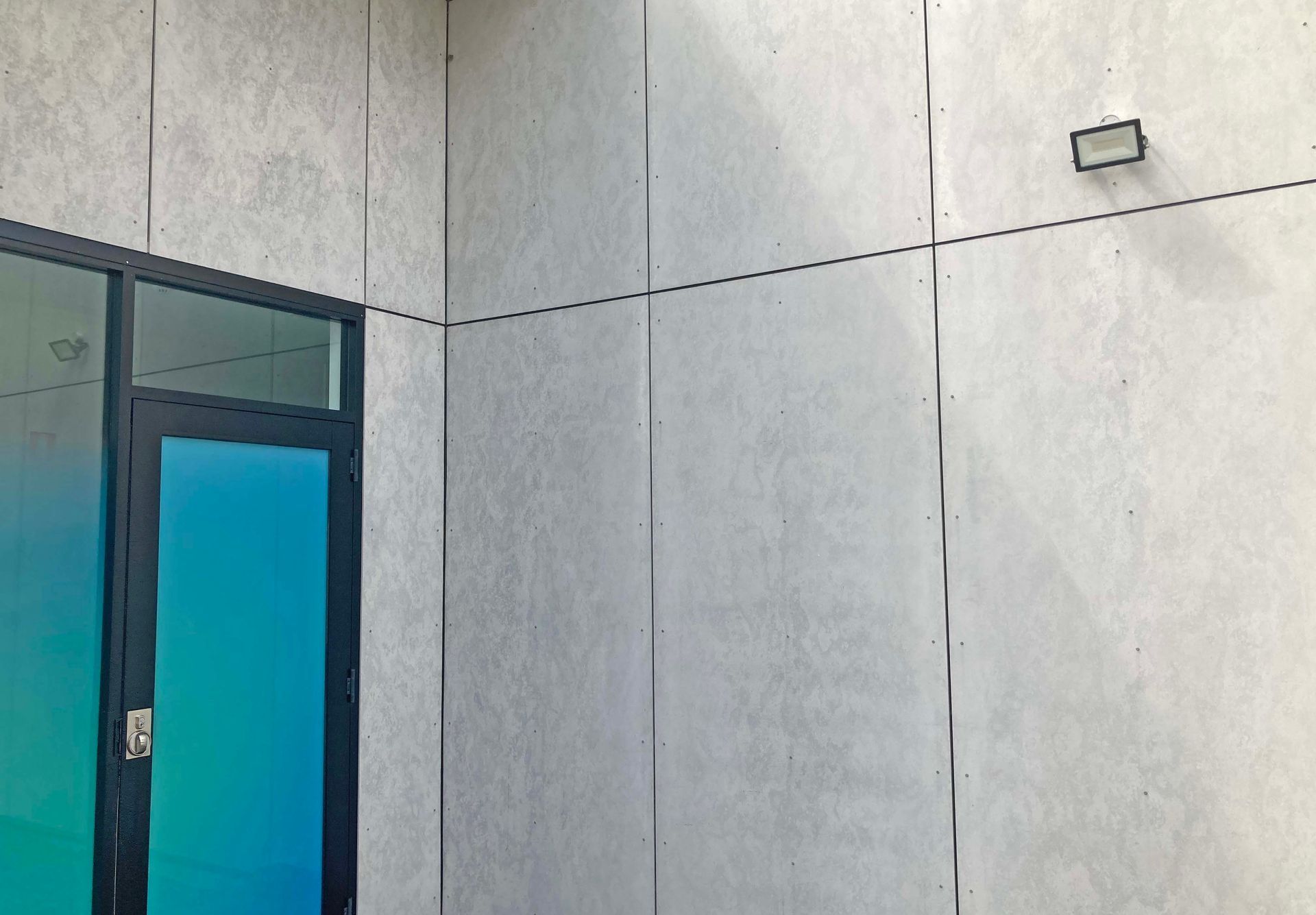
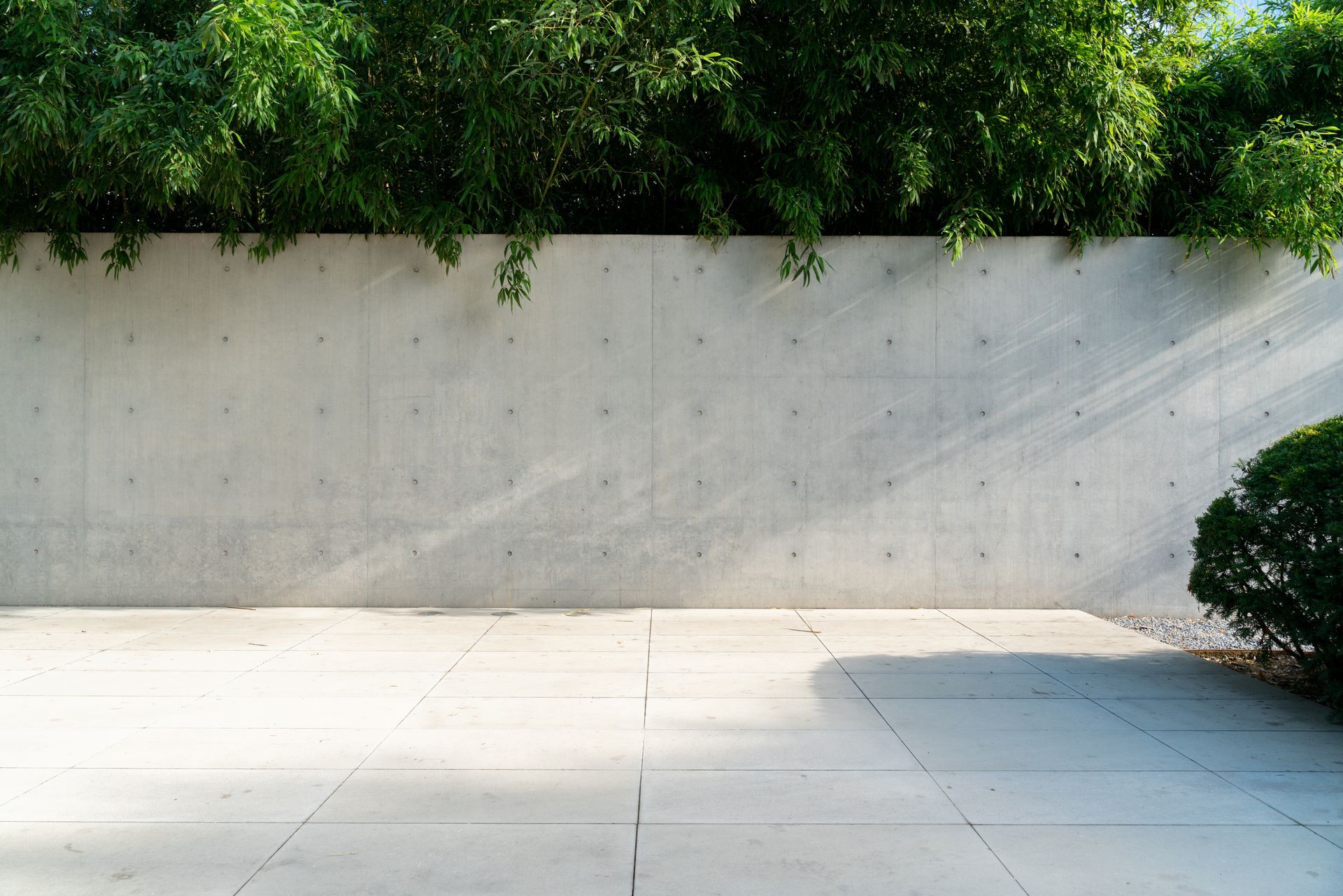
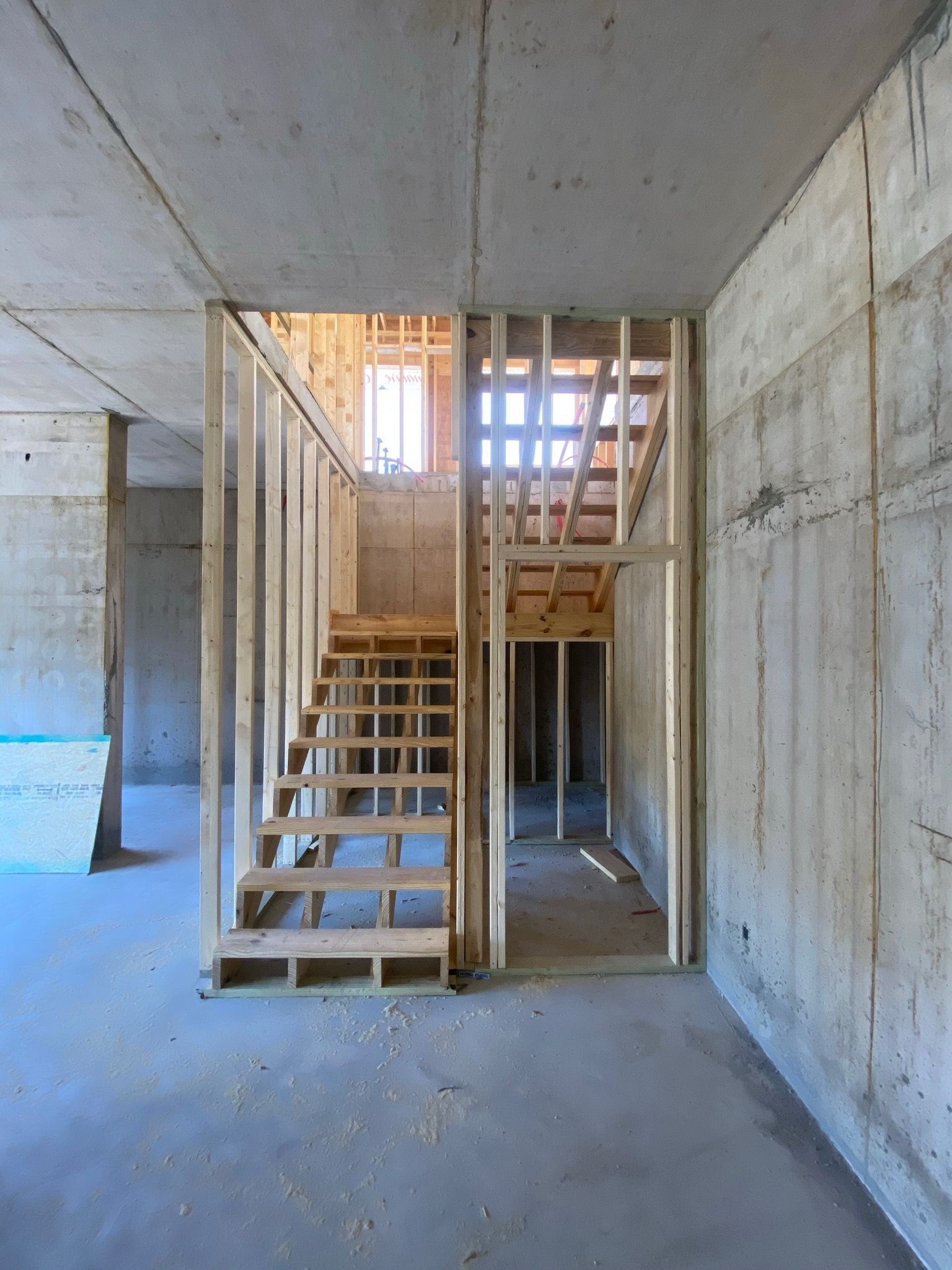
The exterior takes fiber cement siding, brick, or stucco. The interior takes drywall, plaster, or paint, or you can leave the fiber cement panel exposed if you want that look. The wall system is a structural decision, not an aesthetic one. You can read the full list of what the panels resist and the finish options on our benefits page.
How a house actually gets built with it
Two things are worth knowing before you start calling people.
First, Cemwall panels can only be installed by a builder who has completed our certified training program. This is a requirement, not a preference. On a builder's first Cemwall project, one of our instructors is on site during the build. If someone offers to install these panels and is not certified, stop and call us.
Second, we sell through regional distributors rather than direct to homeowners. Your distributor is who tells you what is available in your area and connects you with certified builders nearby. We cover Alabama, Florida, Georgia, Mississippi, and Tennessee.
If you are earlier than that and just gathering information, our post on why concrete wall panel systems are becoming common in new homes is a good next read.
Where to start
The simplest first step is finding out who covers your area. Find the distributor covering your state, or get in touch with us and tell us where you are building and roughly when. We will point you to the right people.