What It Takes to Become a Certified Concrete Wall Panel Installer
If you build in Alabama, Florida, Georgia, Mississippi, or Tennessee, you have probably run into a specification calling for a concrete wall system on a project you would otherwise have framed. The question that follows is a business question, not a curiosity: is this a capability worth adding to your company, and what does it take to get there?
Becoming a certified concrete wall panel installer with Cemwall Systems® is a deliberate process. We require training before anyone installs our panels, and there is no path around that requirement. This post covers what the requirement is, why it exists, and what adding the capability means for a builder who takes it on.
Certification is mandatory, not a credential you can skip
All builders and contractors must complete our training program before becoming certified to install Cemwall panels. That is the rule, and it applies to experienced concrete contractors as well as to builders coming from wood framing.
Two things follow from it that are worth understanding before you go further:
- Hands-on training is required for architects, contractors, and installers. It is not a video course or a paperwork exercise.
- On-site support is provided for your first build. Cemwall instructors are on location for that project to confirm proper installation and walk through best practices in real conditions.
The practical takeaway: your first Cemwall job is not one you do alone. For a builder weighing the risk of working with an unfamiliar system, that is the single most important thing to know.
Why we require it
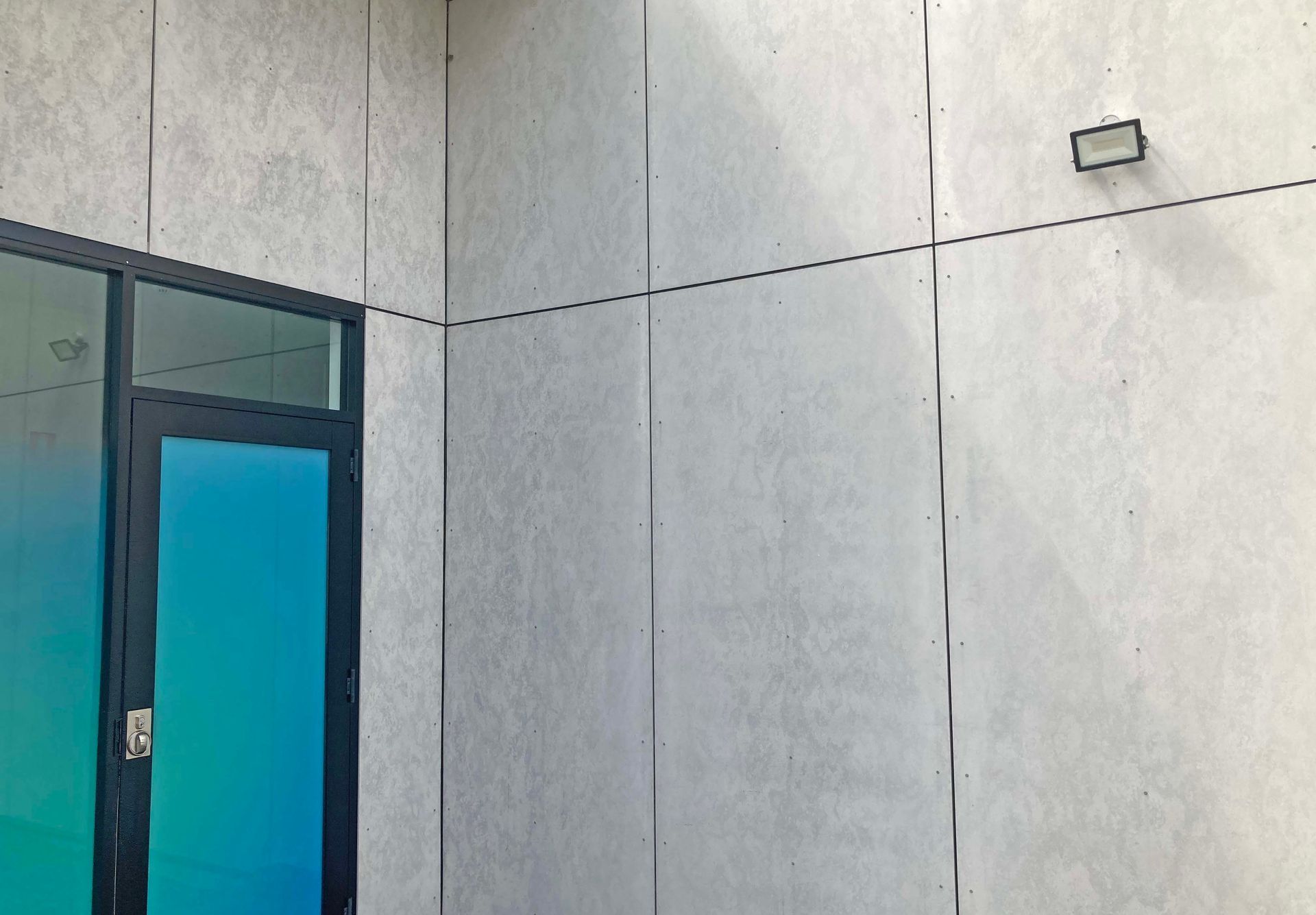
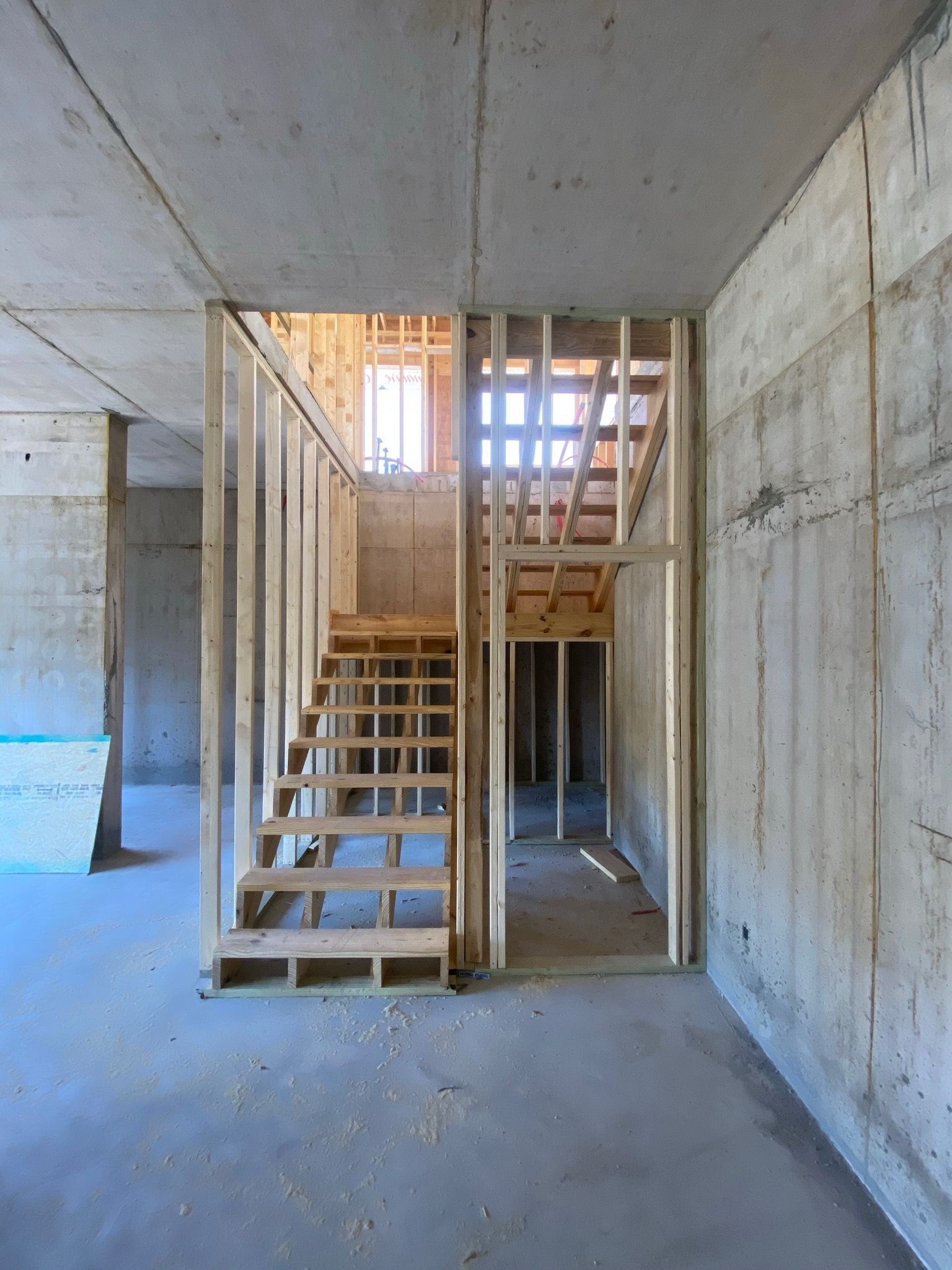
Cemwall panels are a leave-in-place, pour-in-place system. The panel is not formwork you strip. It stays as the finished wall surface, with 1/4" cement fiber panels on both faces and a reinforced concrete core between them. The standard panel is 4' x 8'.
That means installation and final product are the same event. There is no stripping stage where a mistake becomes visible and correctable before the wall is a wall. Our Patented Cup System and Patented J-Hook Rebar are the reason the assembly performs the way it does, and they are also the parts a crew unfamiliar with the system is most likely to get wrong.
The performance we publish, FEMA certification and impact rating for winds up to 250 mph and a 0 burn and 0 spread fire rating, depends on the system being installed as designed. Certification is how we keep the installed product and the tested product the same thing.
It also protects you. If you want the longer version of that argument, it is worth reading what improper concrete wall installation actually costs a project. The failures described there are the ones the training program exists to prevent.
What you should understand before you sign up
Training will cover the system in detail. You will get more out of it if you arrive already familiar with the basics of how the panel system is put together, including panel anatomy, corner assembly, and how the panel relates to the footer and the concrete fill.
It is also worth reviewing the Cemwall build process and training requirement as a whole. The sequence from subgrade preparation through panel assembly, reinforcement and rough-in, the pour, and final finish is short enough to read in a few minutes, and it will tell you fairly quickly how the system maps onto the way your crews already work.
Come with your questions written down. The specifics that matter most to a builder, including crew size, staging, coordination with the concrete supplier, and where the mechanical and electrical trades slot in, are exactly what an instructor is there to answer, and they are easier to answer with your actual project in front of them.
The business case for adding the capability
Certification is not just a compliance step. It changes what you can bid on. A few things worth thinking through:
- Bid access. Specifiers who have decided on a concrete wall system need certified installers. If you are not certified, you are not on that list.
- Market fit. In storm-exposed and fire-exposed markets across the Southeast, owners and developers are asking about resilient wall systems on projects that would previously have been framed. Certification lets you answer that question with something you can actually build.
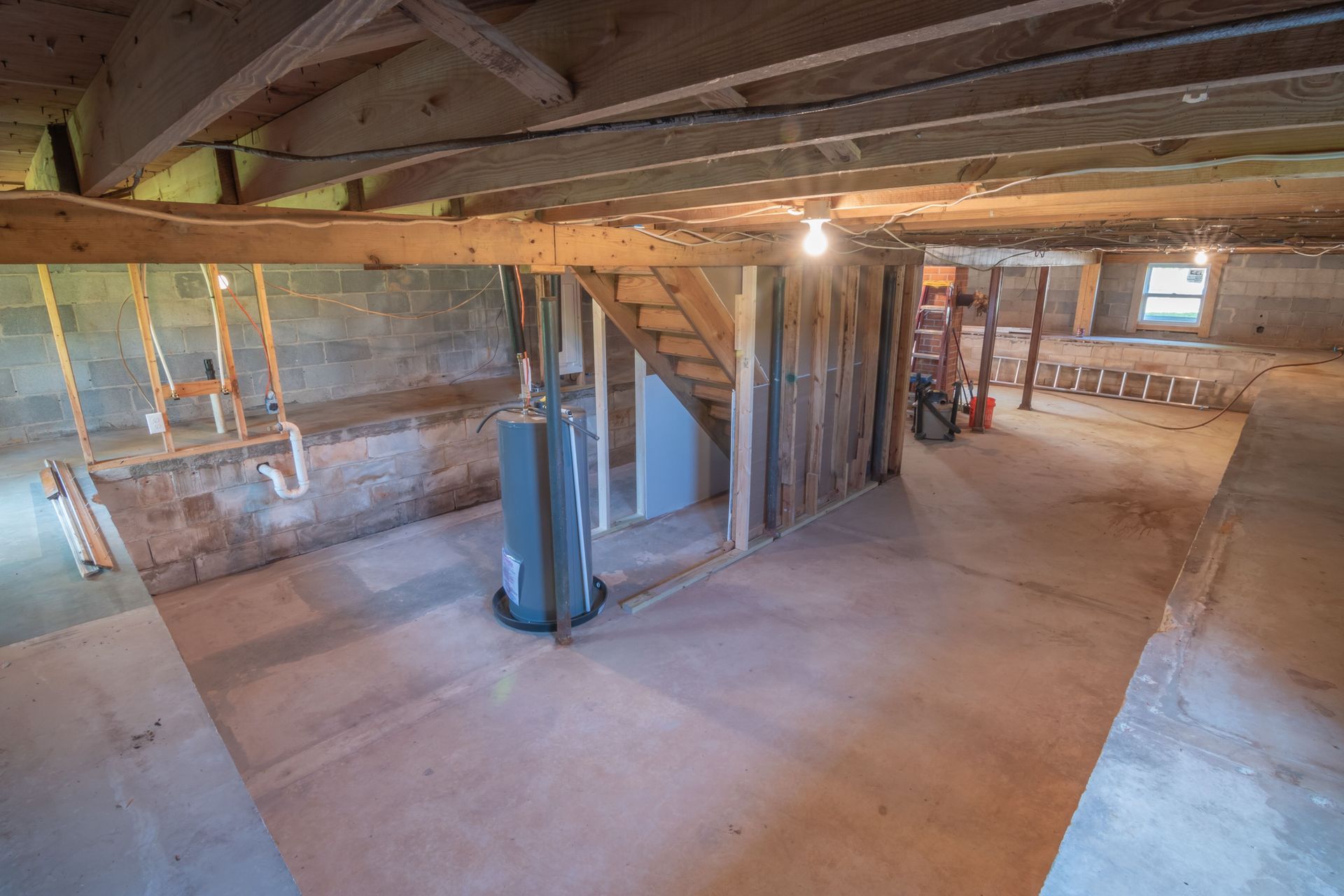
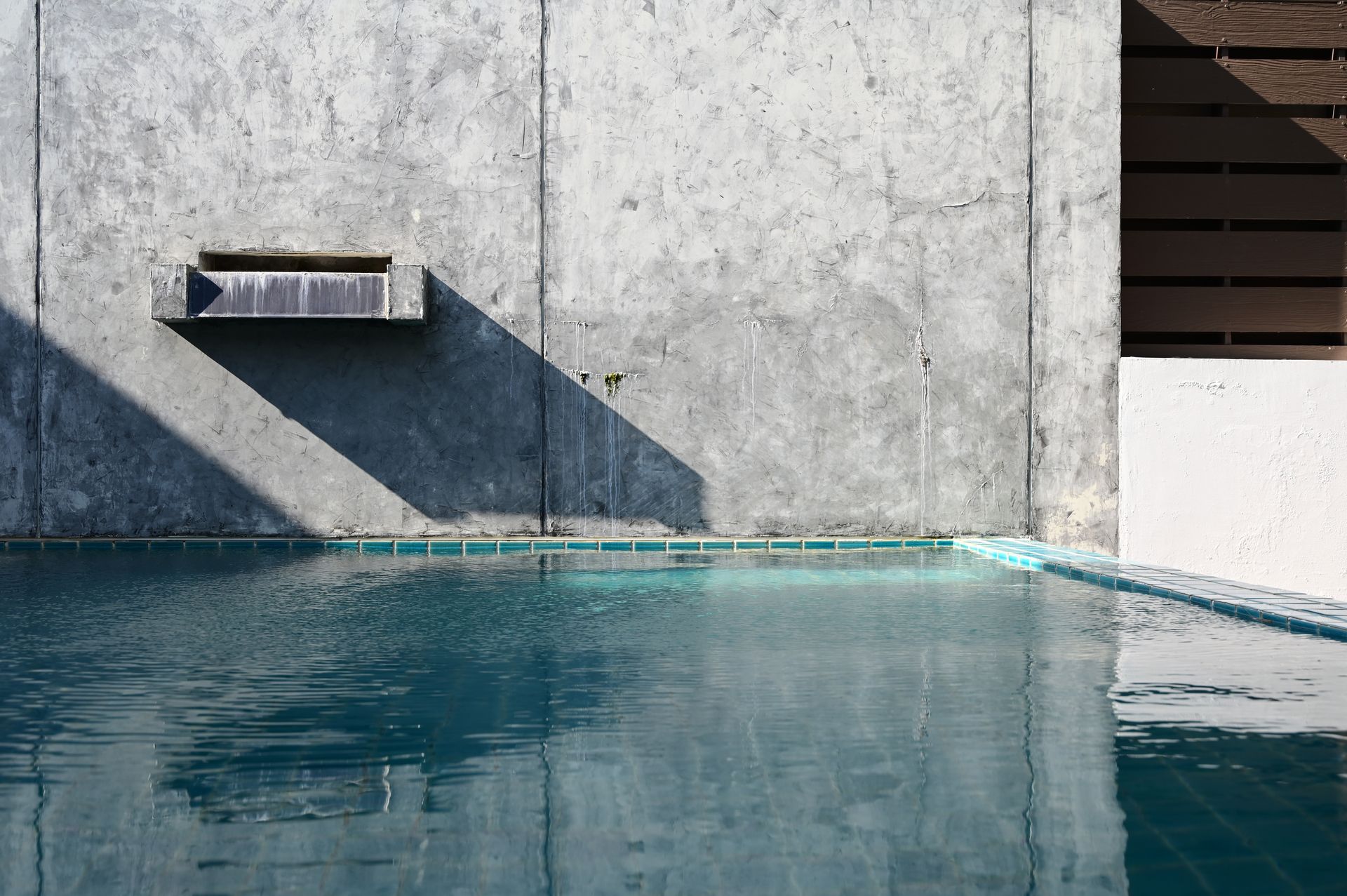
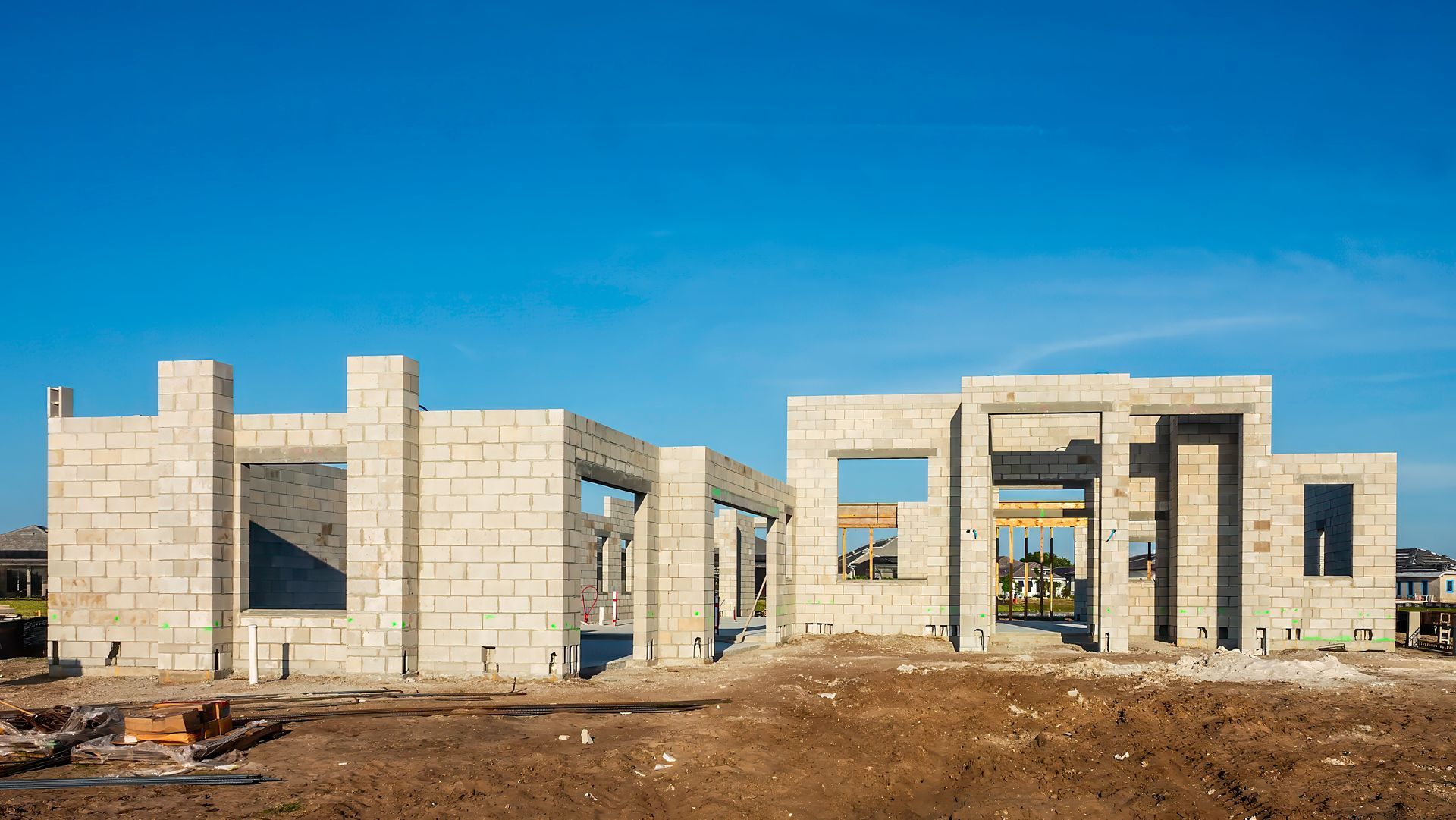
- Application range. Cemwall is used for full-build construction, foundations, basements, retaining walls, sea walls, pools, safe rooms, and data centers. Certification opens more than one type of work.
- Labor math. The system is designed to reduce labor and consolidate steps on site. Whether that helps your specific operation depends on your crews and your schedule, which is a good conversation to have with a Cemwall representative before you commit.
Be honest with yourself about the last one. Adding a system is a real investment of crew time and management attention, and the builders who get the most out of it are the ones with a pipeline of work to apply it to, not the ones certifying speculatively.
Certification and engineering are different things
One clarification that saves confusion later: being a certified installer does not make you the engineer of record.
Retaining walls, sea walls, and below-grade work require design by a licensed engineer, and Cemwall structures need to be designed and reviewed under applicable code with your authority having jurisdiction. Certification qualifies you to install the system correctly. It does not replace the architect, the engineer, or the permit process, and any project you take on should still have all three.
Where to get the specifics
For technical detail beyond what this post covers, go to the source documents rather than to a blog post:
- The Spec Sheet, for panel and assembly specifications
- The Cemwall Information Handbook, for a full guide to the building system
- Your project's engineer of record and architect, for anything structural or code-related
- A Cemwall representative, for training schedules, program requirements, and how certification works in your market
Both documents are linked from the Cemwall site, and a representative can walk you through either one.
Start the conversation
If you build in the Southeast and this looks like a capability worth having, the next step is a conversation, not a form. Contact us about certified installer training and tell us the kind of work you do and the projects you are looking at. That is enough for us to tell you honestly whether the program makes sense for your company.
You can also start with the distributor covering your area, who works with certified installers in your region every week and can tell you what demand actually looks like there.