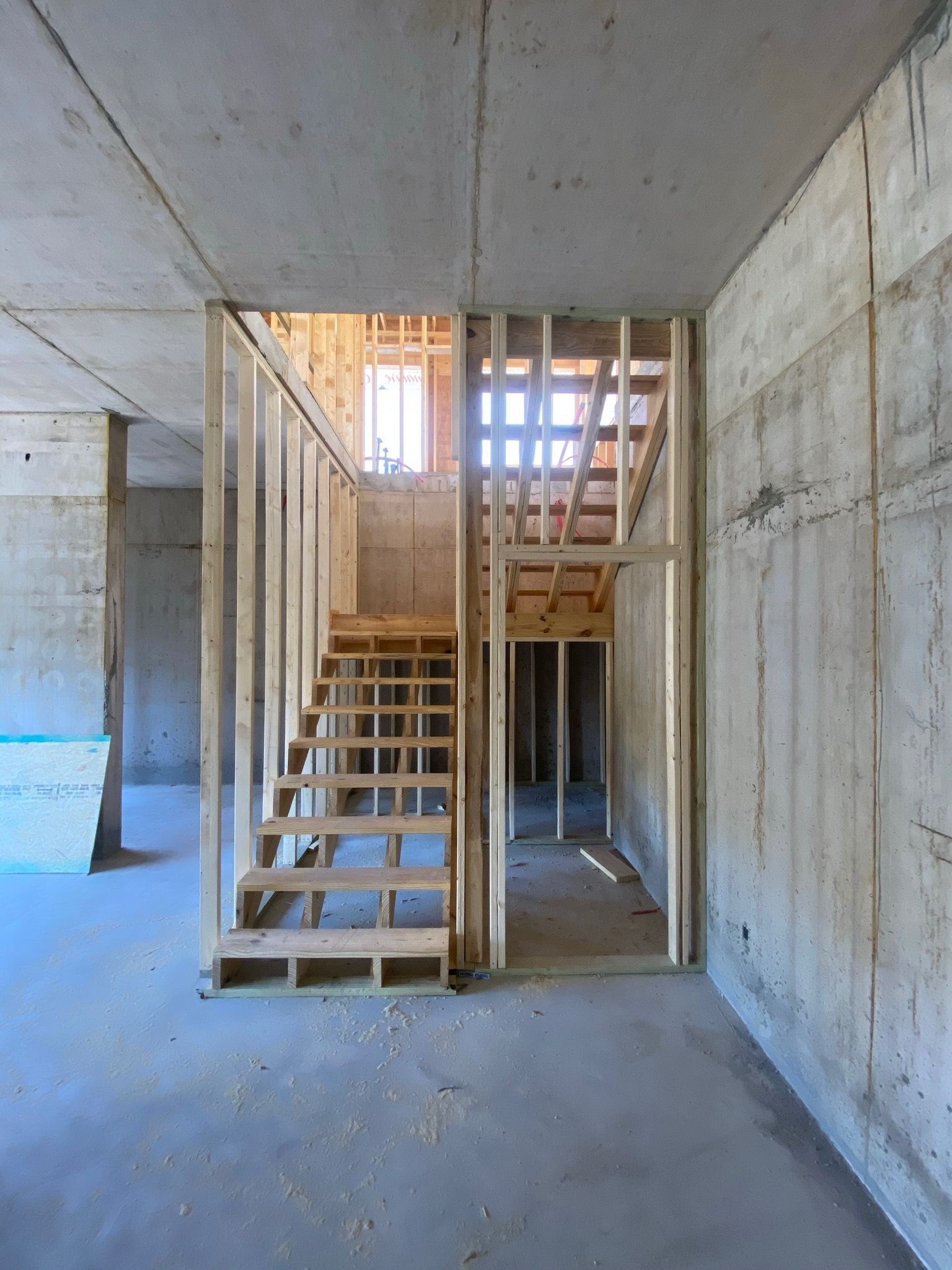
Common Problems Caused by Improper Concrete Wall Installation and How Professionals Prevent Them
Concrete walls are designed to be strong, durable, and long lasting, but when they are not installed correctly, problems can surface that affect the entire building. Many of the most expensive and disruptive issues seen in commercial and industrial buildings can be traced back to improper wall installation. These problems are often avoidable when experienced professionals handle the design and execution of the wall system from the start.
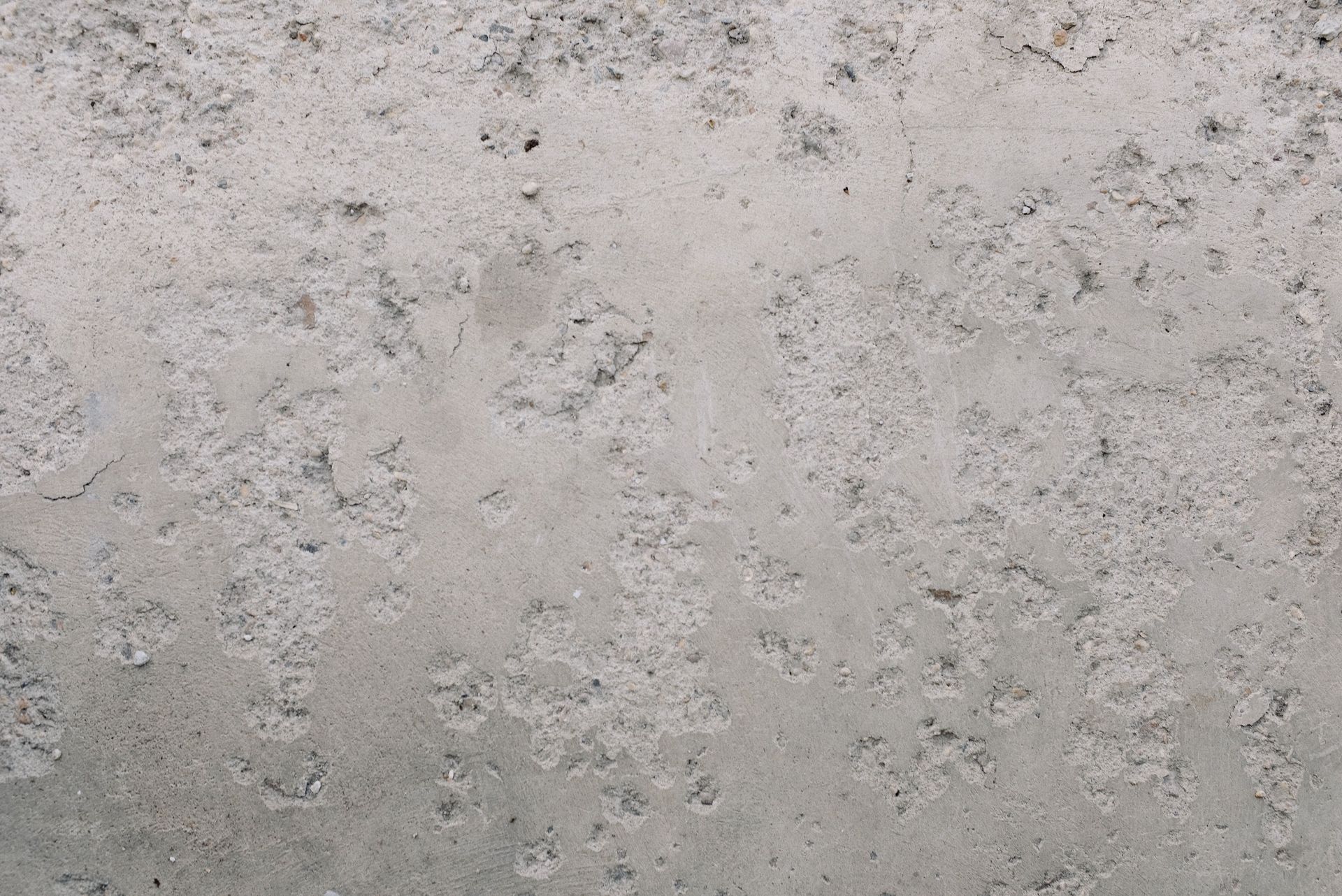
One of the most common issues caused by improper installation is cracking. While some cracking in concrete is expected, excessive or uncontrolled cracking usually points to deeper problems. Improper reinforcement placement, inadequate curing, or poor joint design can all contribute to cracks that compromise structural integrity or allow moisture to enter the building. Professional concrete wall systems contractors understand how to control cracking through proper reinforcement strategies, joint placement, and curing practices that account for environmental conditions.
Moisture intrusion is another major issue that arises from poor installation. Concrete walls are constantly exposed to groundwater, rain, and humidity. When drainage, waterproofing, or sealing details are overlooked, water can find its way into the structure. This can lead to interior damage, mold concerns, and long term deterioration of the wall system. Professionals plan for moisture management as part of the wall system design, ensuring that barriers, drainage paths, and sealing methods are properly integrated rather than added as an afterthought.
Improper insulation integration is also a frequent problem. When insulation is installed inconsistently or without consideration for thermal bridging, buildings can experience uneven temperatures and higher energy costs. These issues often go unnoticed during construction but become clear once the building is occupied. Professional wall systems contractors understand how insulation interacts with concrete and reinforcement, allowing them to design and install wall systems that deliver consistent thermal performance across the entire structure.
Alignment and dimensional issues are another source of costly rework. Walls that are not plumb or square can cause problems for framing, roofing, and interior finishes. These errors create delays and increase costs as other trades are forced to make adjustments. Experienced professionals use precise layout techniques and quality control checks to ensure walls are installed accurately from the start, helping downstream trades work more efficiently and reducing schedule disruptions.
Long term durability problems can also stem from shortcuts taken during installation. Inadequate consolidation of concrete, improper curing conditions, or inconsistent material quality can weaken the wall system over time. These issues may not be visible immediately, but they can lead to premature wear and structural concerns years later. Professional contractors follow established installation standards and monitor conditions closely to ensure the concrete achieves its intended strength and durability.
Inspection failures are another risk tied to improper installation. When walls do not meet code requirements, projects can face delays, redesigns, or costly corrections. Professionals stay current on code requirements and inspection expectations, building wall systems that meet or exceed standards. This preparation helps inspections move smoothly and keeps projects on track.
At CEM Wall Systems, preventing these common problems starts with planning and continues through installation. The team focuses on proper design coordination, experienced execution, and consistent quality control to eliminate issues before they occur. By applying proven methods and working closely with project teams, CEM Wall Systems helps deliver wall systems that perform as intended without unnecessary surprises.
Choosing a professional concrete wall systems contractor is not just about completing the build. It is about protecting the building from problems that could impact performance, safety, and operating costs for years to come. When common installation issues are addressed proactively by experienced professionals, owners and developers gain confidence in both the construction process and the long term reliability of the structure.