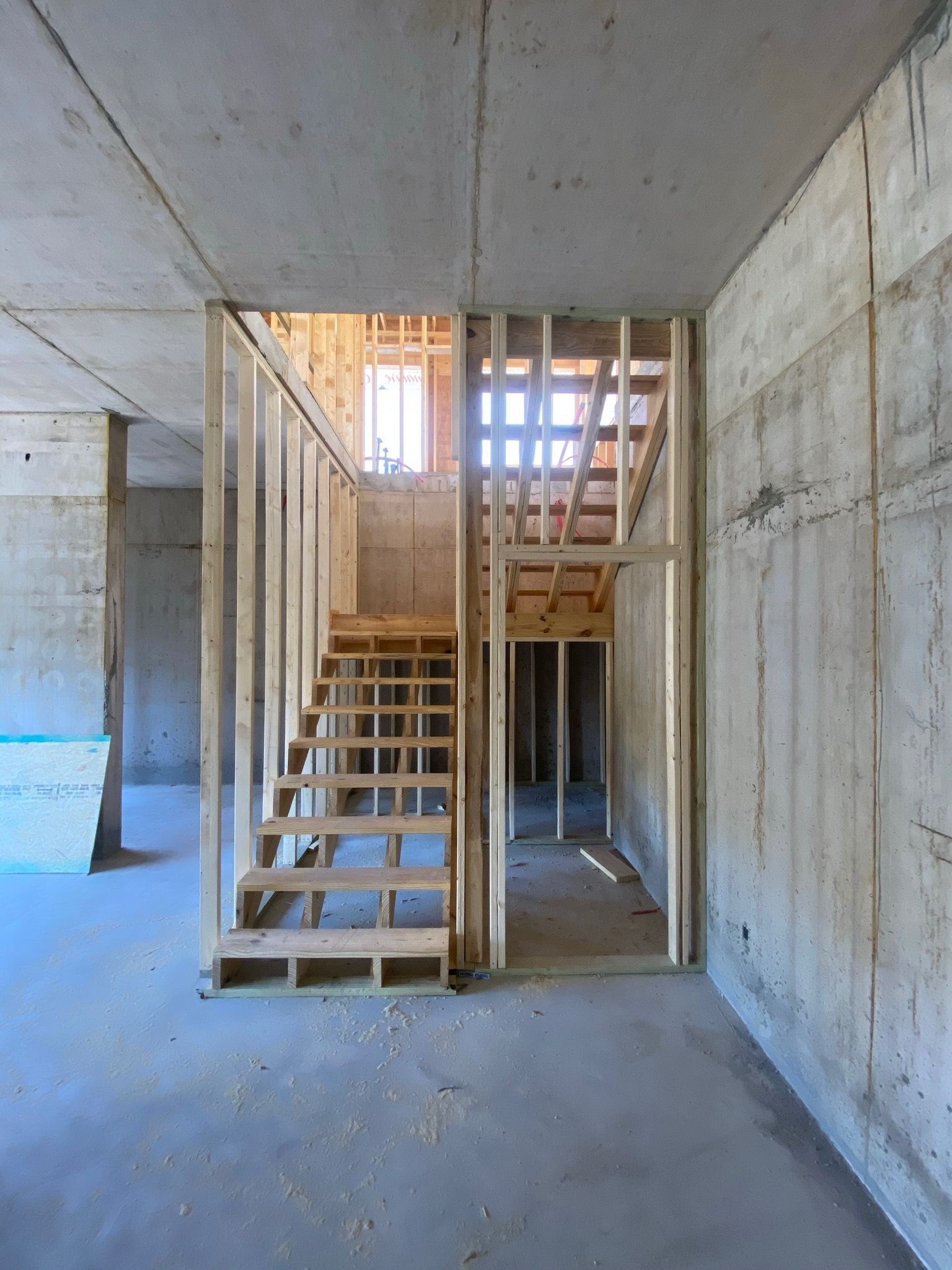
How Professional Concrete Wall Systems Help Future Proof Commercial and Industrial Buildings
When a commercial or industrial building is designed, most decisions are made with today’s needs in mind. What often gets overlooked is how that building will perform years down the road as usage changes, codes evolve, and operating demands increase. One of the most effective ways to future proof a building is by investing in professional concrete wall systems from the start. Wall systems influence far more than structural support, they play a major role in adaptability, efficiency, and long term reliability.
Future proofing starts with structural integrity. Buildings that are expected to last decades must be able to handle changes in load, occupancy, and use without major structural modifications. Professional concrete wall systems are designed with these realities in mind. Experienced providers understand how to design walls that offer strength and stability while allowing flexibility for future build outs or interior reconfiguration. This reduces the likelihood that structural walls become obstacles when the building needs to evolve.
Energy performance is another critical factor in future proofing. Energy costs rarely go down, and inefficient buildings become more expensive to operate over time. Professional concrete wall systems support consistent insulation, reduced air leakage, and stable interior temperatures. These qualities help protect owners from rising utility costs and make buildings easier to operate efficiently as energy standards become more demanding. A wall system designed for performance today is far more likely to meet expectations tomorrow.
Moisture control and durability also play a major role in long term adaptability. Water intrusion and material degradation can limit how a building can be used or expanded. Professional wall systems providers focus on moisture management strategies that protect the structure over time. This attention to detail helps prevent deterioration that could restrict future renovations or require costly remediation. A dry, stable wall system provides a stronger foundation for future improvements.
Another aspect of future proofing is code readiness. Building codes continue to change, especially in areas related to structural performance and energy efficiency. Buildings constructed with minimal compliance can face challenges when codes are updated or when changes trigger new requirements. Professional concrete wall systems are typically designed to meet or exceed current standards, which can make future compliance easier. This proactive approach helps reduce the risk of forced upgrades that could disrupt operations or reduce asset value.
Flexibility in use is also an important consideration for commercial and industrial buildings. Many properties change tenants or functions over time. A well designed concrete wall system supports this flexibility by maintaining consistent performance regardless of interior changes. Professional providers understand how wall systems interact with mechanical, electrical, and plumbing infrastructure, which helps preserve options for future modifications without compromising structural integrity.
From an ownership perspective, future proofing is closely tied to financial predictability. Buildings that require frequent repairs or major upgrades become harder to budget for and less attractive to buyers or tenants. Professional concrete wall systems reduce the likelihood of these issues by focusing on long term performance rather than short term savings. This approach supports stable operating costs and helps maintain confidence in the asset.
At CEM Wall Systems, future performance is considered at every stage of the project. The team works with architects, engineers, and builders to deliver wall systems that support durability, efficiency, and adaptability. By applying proven systems and consistent processes, CEM Wall Systems helps clients create buildings that are ready for what comes next, not just what is needed today.
Future proofing a building does not require overbuilding or unnecessary complexity. It requires smart decisions about critical components like wall systems. By choosing a professional concrete wall systems provider, owners and developers invest in structures that can adapt, perform, and retain value as demands change. For commercial and industrial projects with long term goals, that investment pays dividends well into the future.