How Faster Wall System Installation Impacts Your Project Timeline and Budget
In commercial and industrial construction, time is one of the most valuable resources on any project. Delays can impact multiple trades, increase costs, and create challenges that extend far beyond the initial schedule. One of the most effective ways to improve both timeline and budget outcomes is by focusing on how structural components, particularly wall systems, are installed. Faster and more efficient wall system installation has a direct impact on how smoothly a project moves from start to finish.
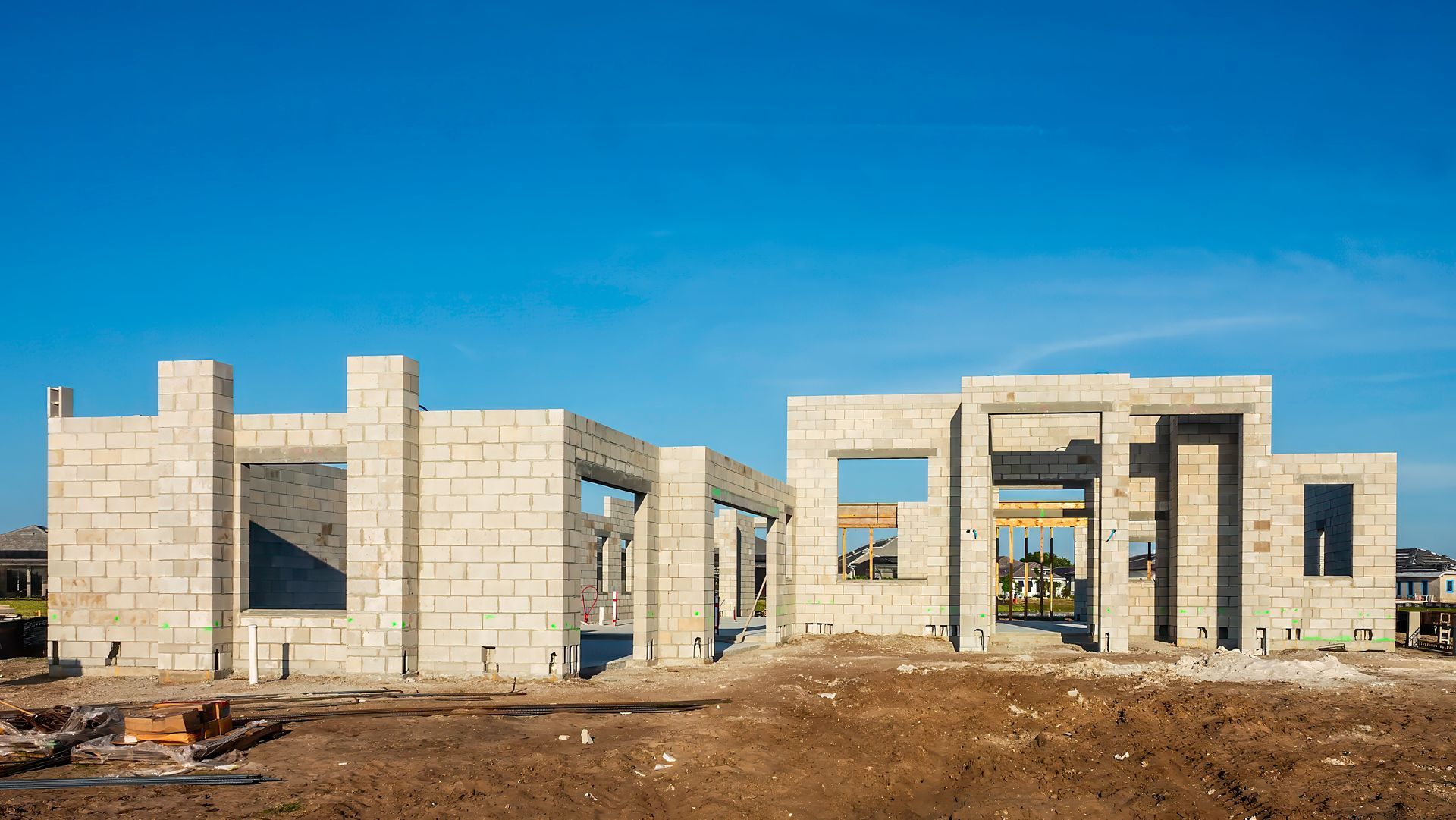
Wall systems are often on the critical path of a construction project. This means that other trades cannot begin their work until the walls are in place. If wall installation is delayed, it creates a ripple effect that slows down the entire project. Faster installation allows other phases of construction to begin sooner, keeping the project moving forward without unnecessary interruptions.
The impact on scheduling goes beyond just the initial installation. When wall systems are completed efficiently, it becomes easier to coordinate inspections, approvals, and follow up work. This reduces downtime between phases and helps maintain momentum throughout the project. Consistent progress is one of the most important factors in keeping a build on schedule.
Budget is closely tied to how efficiently a project is executed. Delays often lead to increased labor costs, extended equipment usage, and additional expenses that were not part of the original plan. By reducing installation time, developers and contractors can limit these additional costs and maintain better control over the budget. Predictability becomes a key advantage, allowing for more accurate financial planning.
Labor efficiency is another area where faster wall system installation makes a difference. Traditional construction methods often require multiple crews working in sequence, which can create bottlenecks and inefficiencies. Streamlined systems reduce the number of steps involved, allowing smaller teams to complete work more effectively. This not only reduces labor costs but also simplifies coordination on site.
Material handling and logistics also improve with faster installation methods. When systems are designed to integrate multiple functions into a single process, there are fewer materials to manage and fewer opportunities for delays caused by missing or misaligned components. This level of organization helps keep the project running smoothly and reduces the likelihood of unexpected issues.
Quality control is often improved as well. Faster does not mean cutting corners, it means using systems that are designed to deliver consistent results. When installation processes are simplified and standardized, it becomes easier to maintain quality across the entire project. This reduces the risk of rework, which is one of the most common sources of delays and added costs.
Another important factor is how faster installation supports better coordination between trades. When wall systems are completed on time, other teams can plan their work more effectively. This reduces conflicts on site and helps maintain a steady workflow. Clear sequencing and reliable timelines create a more efficient overall construction process.
From a developer’s perspective, completing a project sooner can also have financial benefits beyond construction costs. Faster completion means the building can be occupied or put into use earlier, generating revenue sooner and improving overall return on investment. This makes efficient wall system installation a key factor in both construction and long term financial performance.
Choosing the right wall system is not just about structure, it is about how that structure supports the entire project. Faster installation creates a foundation for efficiency, predictability, and better outcomes across every phase of construction.