Concrete Wall Panel Finishes: Exterior and Interior Options for Specifiers
Specifying a wall system means specifying what the wall looks like, inside and out. Cemwall Systems® panels leave a cement fiber face on both sides of a reinforced concrete core, and those faces can stay as the finished surface or take a range of applied finishes. This post covers the concrete wall panel finishes documented for Cemwall, what each asks of the specifier, and where to find detailing information.
It is written for architects and engineers. It describes options, not details. Attachment, substrate preparation, and moisture management for any finish belong in the Cemwall documentation, the finish manufacturer's requirements, and your own drawings.
What the wall surface is before finishes
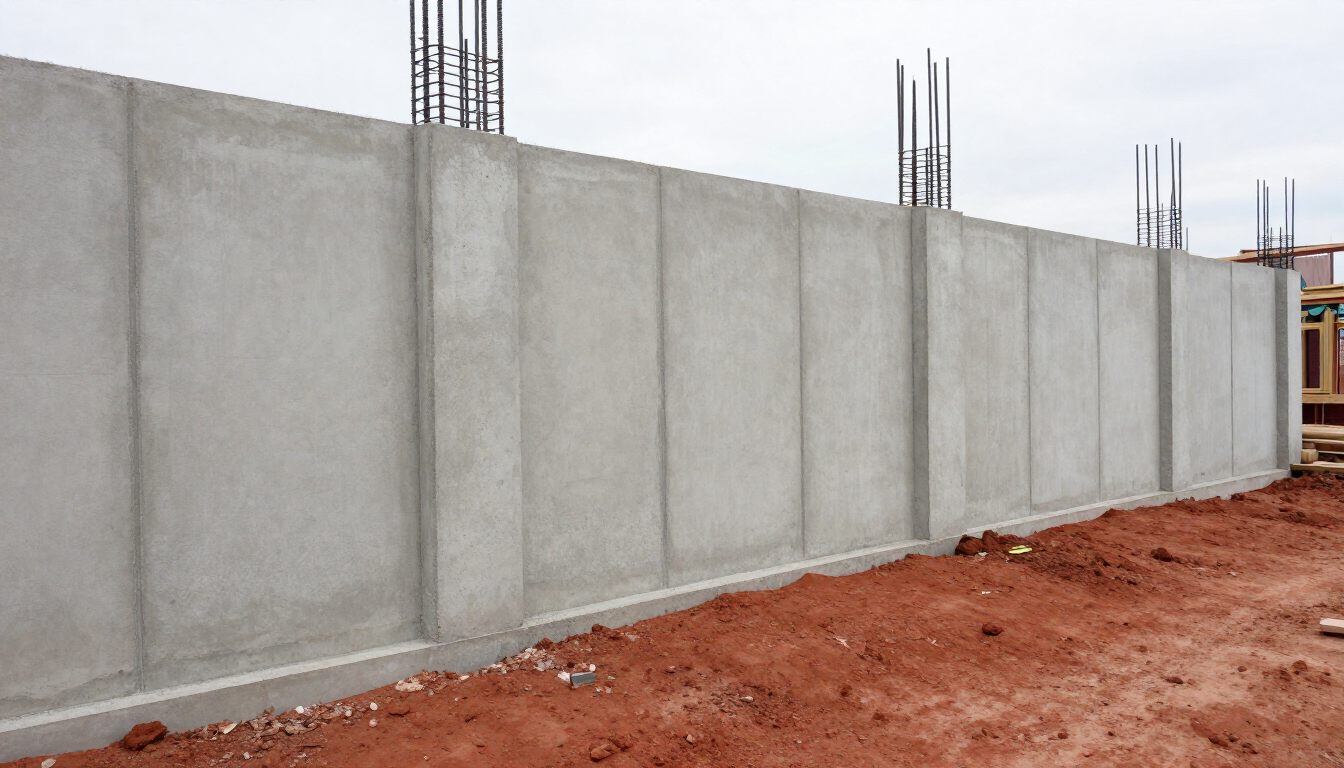
Every finish decision starts with the substrate. On a Cemwall wall, that substrate is the panel itself, because the panels are leave-in-place. They are not stripped after the pour.
- Standard panel size is 4' x 8'.
- Each face is a 1/4" cement fiber panel.
- Between the faces is a reinforced concrete core, reinforced with the Patented Cup System and Patented J-Hook Rebar.
The 4' x 8' module is worth keeping in mind on elevations and interior walls that will stay close to the panel surface. Ask your Cemwall representative how panel joints present under the finish you are considering. For the full assembly, see the panel anatomy on our What Is Cemwall page.
Concrete wall panel finishes at a glance
The options below are the ones Cemwall documents. If your design calls for a finish that is not listed, confirm it with a Cemwall representative before it goes into the specification.
| Finish | Face | Questions to resolve in your documents |
|---|---|---|
| Mortar wash | Exterior | Appearance intent and application per Cemwall documentation |
| Paint | Exterior and interior | Coating selection and surface preparation per the Handbook and coating manufacturer |
| Fiber cement siding | Exterior | Attachment and moisture management detailing with the Handbook, siding manufacturer, and engineer of record |
| Brick | Exterior | Veneer support, ties, and drainage detailing with the architect, engineer of record, and Cemwall documentation |
| Stucco | Exterior | System selection and substrate preparation per the Handbook and stucco system manufacturer |
| Exposed panel surface | Interior | Owner acceptance of the panel appearance, ideally confirmed with photos or a sample |
| Drywall | Interior | Attachment method and coordination with electrical box locations |
| Plaster | Interior | Substrate preparation per the Handbook and plaster manufacturer |
Exterior finishes and the wall's moisture protection
Exterior finish selection is a performance decision as well as an aesthetic one. Cemwall's panel and footer assembly detail shows the exterior finish and the wall's surface layer working together to protect the structure from moisture infiltration. Review that detail on the What Is Cemwall page and in the Spec Sheet before you draw a finish transition, a grade condition, or a penetration.
Cemwall panels are water resistant and pest resistant, properties that matter in humid, coastal, and termite-heavy parts of the Southeast. Your finish details should support those properties rather than work around them.
Key takeaway: Treat the exterior finish as part of the wall assembly. Detail it from Cemwall's documentation and the finish manufacturer's requirements, and have your engineer of record review anything that changes the assembly.
Interior: exposed panel or applied finish
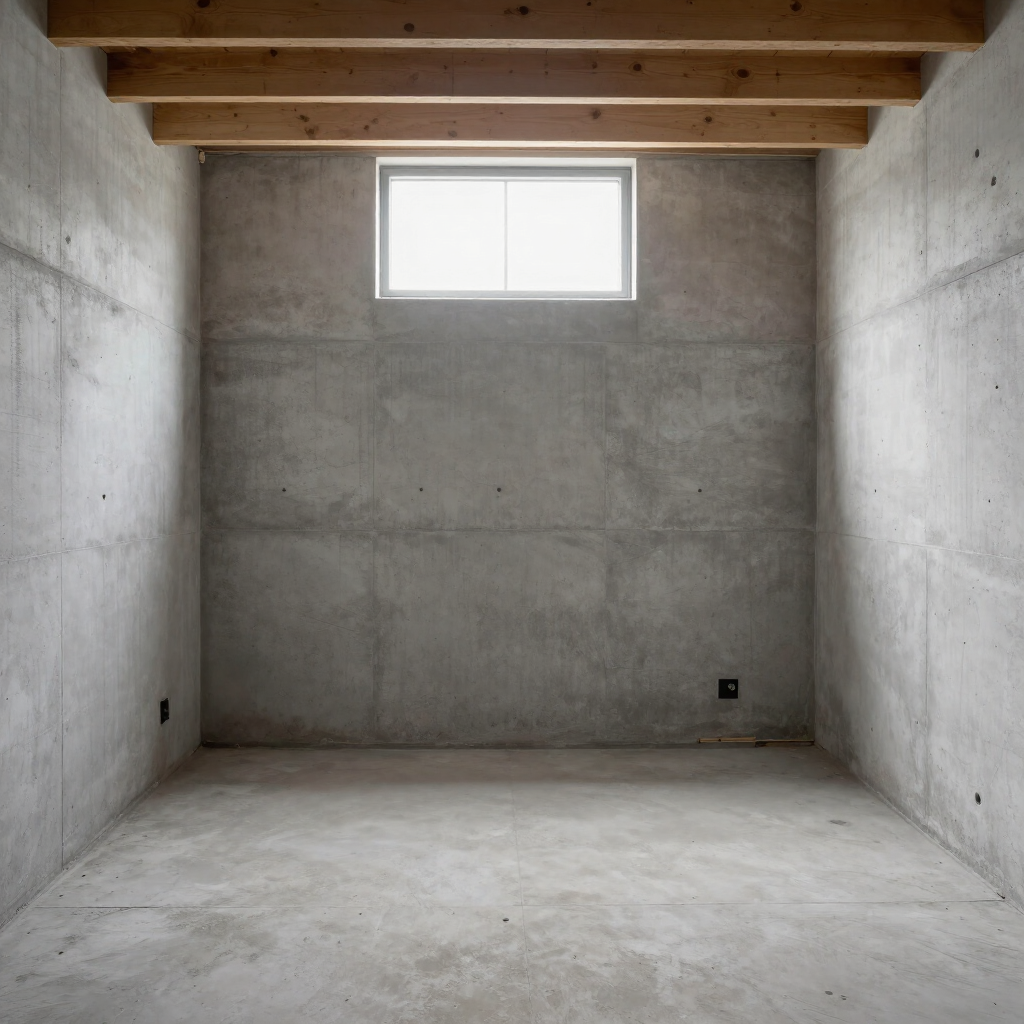
On the interior, Cemwall walls can keep the cement fiber panel surface as the finished wall or take drywall, plaster, or paint. An exposed or painted panel surface suits projects where a durable, utilitarian wall is the goal. Drywall or plaster suits projects where the interior should read like conventional construction.
Whichever you choose, settle it early. Electrical boxes and internal plumbing are set before the pour on a Cemwall build, so the interior finish affects decisions your builder makes well before finishes are on the schedule.
What finishes do not change
Cemwall panels carry a 0 burn and 0 spread fire rating, FEMA certification, and an impact rating for winds up to 250 mph, as documented on The Benefits page. Those ratings describe the Cemwall panels. They are not ratings for an assembly that includes a finish you add.
If your project depends on how a rating applies to a finished assembly, ask a Cemwall representative for the relevant certification documentation and resolve it with your authority having jurisdiction. Do not carry a panel rating onto a finished assembly in your documents without that confirmation.
Documentation to request before you specify
The resources on our What Is Cemwall page are the starting point for any finish detail:
- Spec Sheet: technical details on Cemwall panels
- Cemwall Information Handbook: the comprehensive guide to the building system
- Fire Resistant Certification and FEMA Certification: documentation behind the published ratings
- Your engineer of record: anything that changes the wall assembly
- Your authority having jurisdiction: applicable code for the finished assembly
- A Cemwall representative: finishes not listed above, joint appearance, and anything else specific to the system
For more on how we support design teams, read how Cemwall supports architects, engineers, and builders from design through installation, or review the full list of Cemwall properties.
Specify Cemwall with confidence
Concrete wall panel finishes give you real design latitude: stucco, brick, fiber cement siding, mortar wash, or paint outside, and an exposed panel surface, drywall, plaster, or paint inside. What makes the specification hold up is detailing each one from documentation rather than assumption.
Have a project in design? Contact Cemwall to request documentation for your assembly, or find the distributor serving your project in Alabama, Florida, Georgia, Mississippi, or Tennessee.