Concrete Wall Finish Options: How a Cemwall Home Can Look the Way You Want
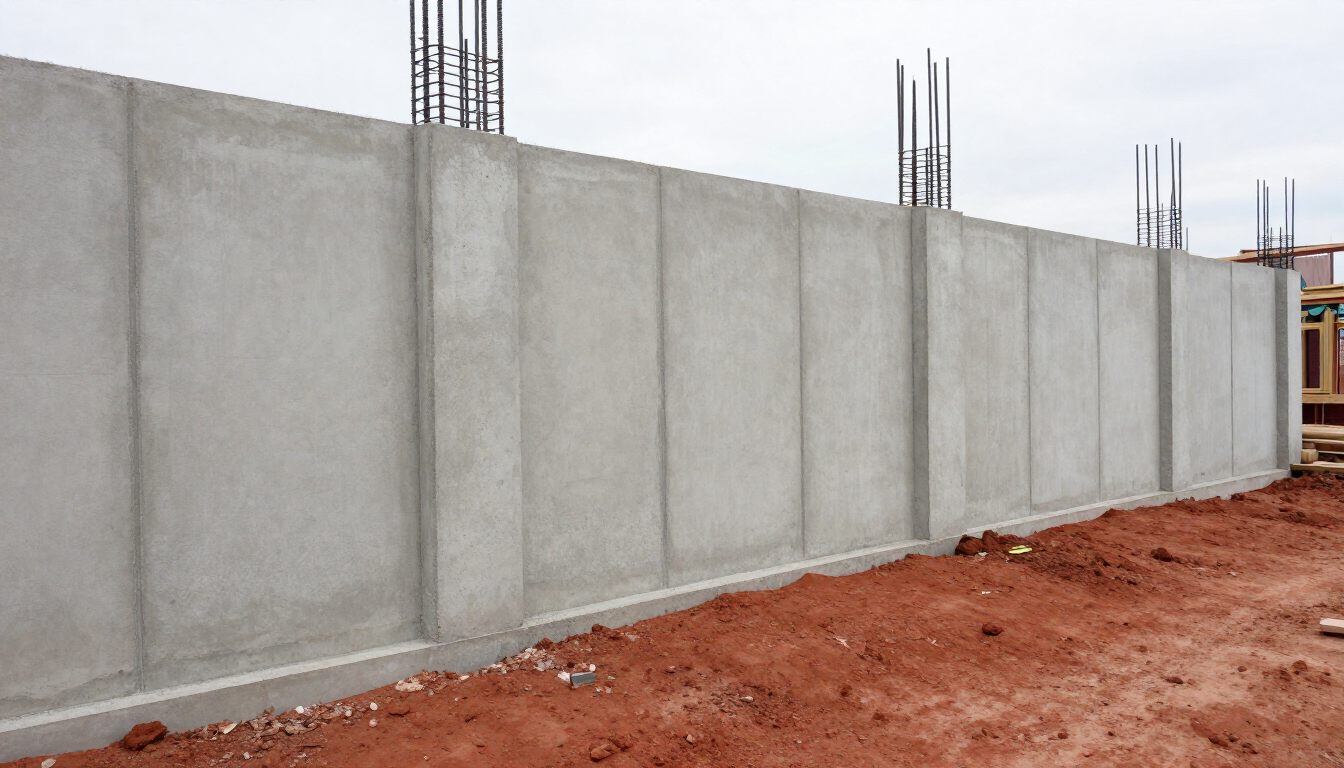
When people first hear about building a home with concrete walls, one worry comes up more than any other: will it look like a bunker? It does not have to. Cemwall Systems® panels work with a wide range of concrete wall finish options, inside and out, so your home can look modern, traditional, or anything in between.
This guide walks through the finishes available, how they fit different home styles, and what to ask your builder before you choose.
Start with the panel itself
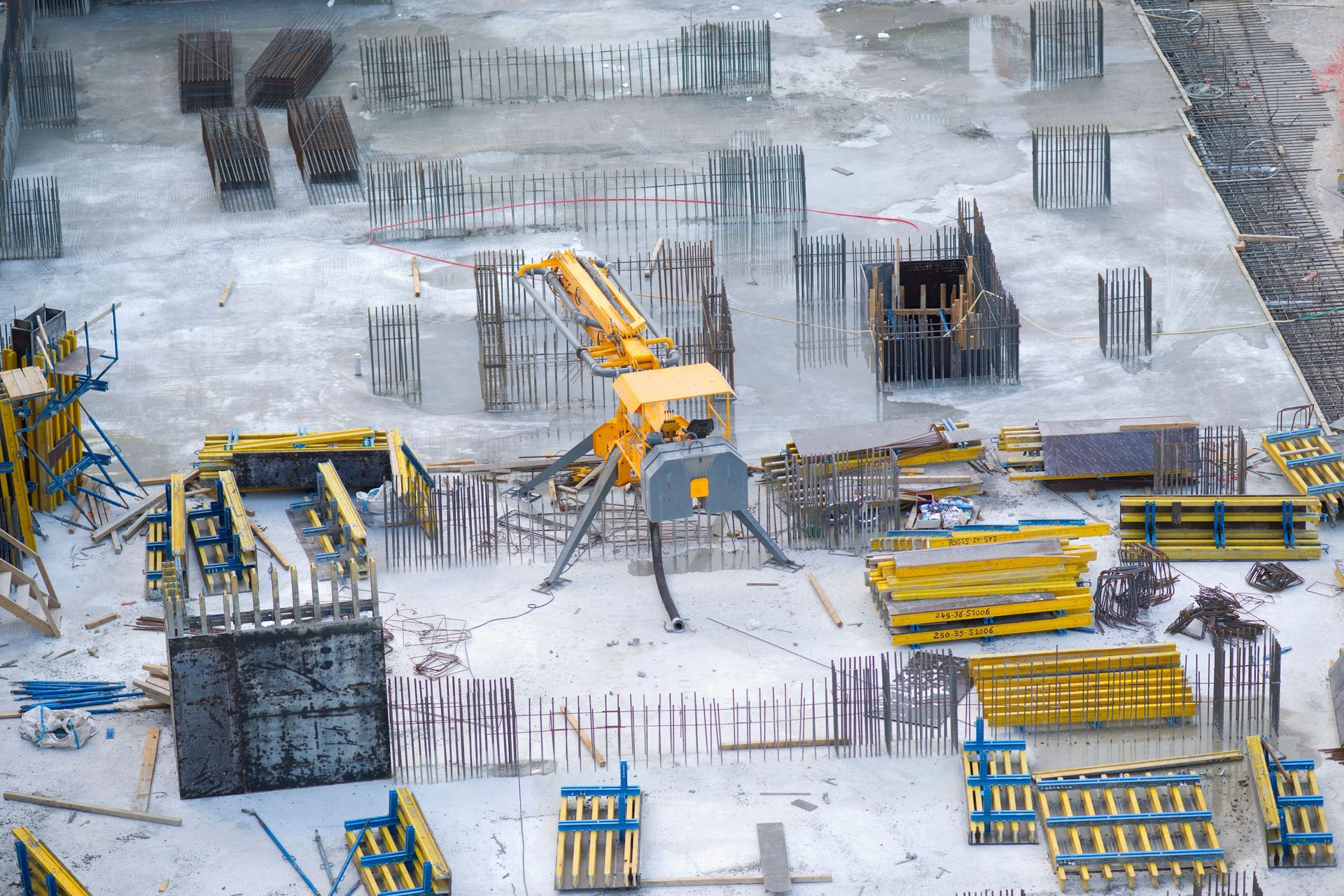
Every Cemwall wall begins the same way. Fiber cement panels are assembled on site and filled with reinforced concrete, and the panels stay in place as the faces of the finished wall. Each standard panel is 4' x 8', with 1/4" cement fiber panels on both sides.
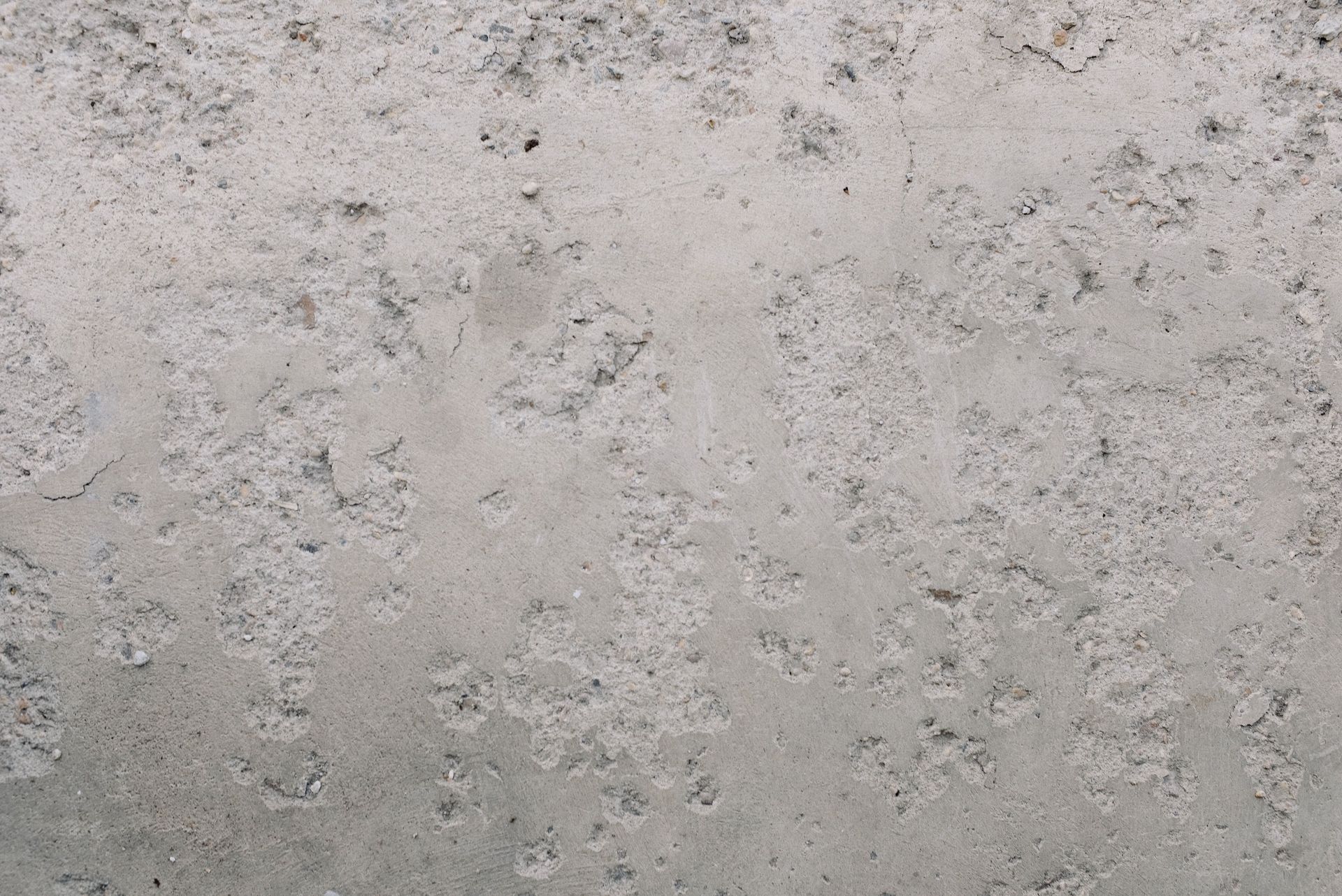
That means your walls already have a clean, finished surface on the inside and the outside before any extra finish goes on. At the end of a Cemwall build, walls can be completed with a mortar wash or paint, or they can become the base for another finish of your choice.
Exterior finish options
The outside of your home is where most people want the biggest say. Cemwall panels are designed to work with a range of exterior finishes, including:
- The panels themselves. Some homeowners keep the fiber cement surface with a mortar wash or paint for a clean, modern exterior.
- Fiber cement siding. Lap or panel siding gives a familiar look that suits farmhouse, craftsman, and cottage styles.
- Brick. A classic choice for traditional Southern homes and neighborhoods where brick is the norm.
- Stucco. A smooth or textured finish that suits coastal, Mediterranean, and contemporary designs.
These are the finishes named on our benefits page, and other options may be possible. Your builder and local distributor can tell you what has been done on Cemwall homes in your area.
Interior finish options
Inside, you have the same flexibility. You can keep the sleek, modern look of the fiber cement panels, or finish your walls the way you would in any other home:
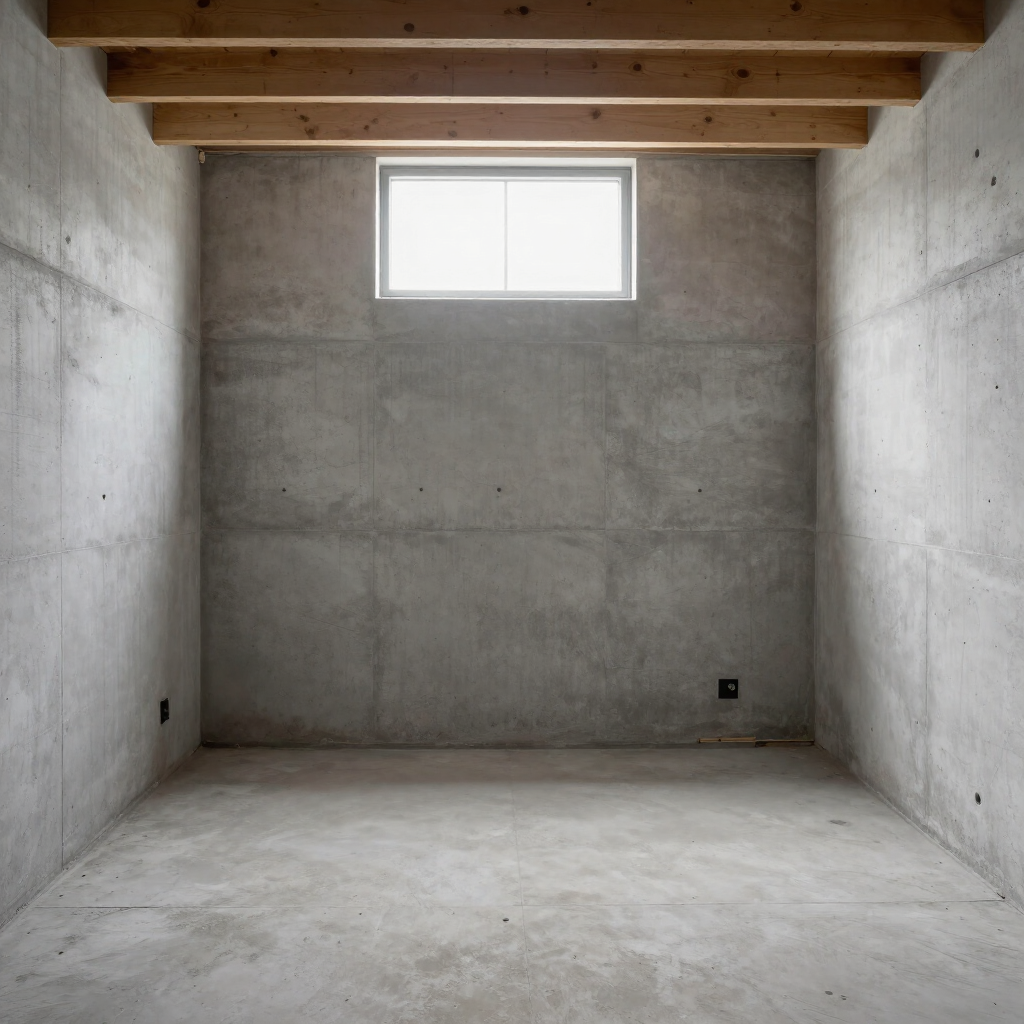
- Exposed panels for a minimal, contemporary feel
- Drywall for a conventional look that matches most homes
- Plaster for a smooth, handcrafted surface
- Paint, applied directly for a simple, finished look
Many homeowners mix approaches, such as leaving panels exposed in a basement or garage and using drywall or plaster in living spaces.
Key takeaway: a concrete wall does not decide what your home looks like. You do. Cemwall panels give you a solid starting surface, and the finish is your choice.
Matching finishes to the style you want
If you are not sure where to start, this table can help you frame the conversation with your builder or architect.
| Home style you want | Exterior finishes to discuss | Interior finishes to discuss |
|---|---|---|
| Modern or minimalist | Panels with mortar wash or paint, smooth stucco | Exposed panels, paint |
| Traditional Southern | Brick | Drywall, paint |
| Farmhouse or craftsman | Fiber cement siding | Drywall, paint |
| Coastal or Mediterranean | Stucco | Plaster, paint |
| Mixed or transitional | A combination, such as brick with siding accents | Exposed panels in some rooms, drywall in others |
What stays the same no matter how it looks
The finish you choose is about appearance. Behind it, your walls are still Cemwall panel walls with a reinforced concrete core.
Cemwall panels carry a 0 burn and 0 spread fire rating, are FEMA-certified and impact rated for winds up to 250 mph, and are designed to resist moisture, termites, and other pests. Those ratings and attributes apply to the Cemwall panels themselves. If you are adding an exterior finish, ask your builder how it will be attached and detailed, since that is part of the finish installation rather than the panel.
You can read more about how the panels perform on our benefits page, or see how panel systems are changing home building in why concrete wall panel systems are the future of residential construction.
Questions to ask your builder about finishes
Finishes are easiest to get right when they are decided early. Bring these questions to your builder:
- Which exterior and interior finishes have you installed on Cemwall homes before?
- Can I see photos or visit a finished Cemwall home with the look I want?
- How will my exterior finish be attached and detailed over the panels?
- At what point in the schedule will finishes go on?
- Can I leave panels exposed in some rooms and finish others?
- Where can I find the technical details on the panels if my architect needs them?
For technical details, your builder and architect can work from the Cemwall Spec Sheet and the Cemwall Information Handbook, and a Cemwall representative can answer product questions.
Your home starts with a certified builder
Every builder and contractor must complete Cemwall's training program before installing our panels. That matters for finishes, too, because a clean, well-built wall is the foundation for any finish that goes on top of it.
For a builder's first Cemwall project, our instructors are on location to support proper installation and best practices. Our build process page explains how it works.
Common questions about Cemwall finishes
Can I mix more than one exterior finish?
Many homes combine finishes, such as brick on the front with siding on the sides or back. Talk with your builder about what works for your design.
Where can I find more answers about Cemwall?
Our FAQ page covers whether Cemwall panels can be customized for different design aesthetics, along with other common questions about the system.
See what is possible in your area
Cemwall is sold through distributors covering Alabama, Florida, Georgia, Mississippi, and Tennessee. Find a Location Near You to talk about finishes, certified builders, and your plans, or call 1-888-823-6925.