Why Concrete Wall Panel Systems Are the Future of Residential Construction

When most people think about building a home, they immediately imagine wood framing, drywall, and traditional methods that have been used for decades. It has been the standard for so long that many homeowners and even some contractors assume it is the only reliable way to build. The reality is that construction technology has changed, and concrete wall panel systems are quickly becoming the smarter, stronger, and more cost-effective choice for residential construction. Cemwall Systems is leading this shift by offering a solution that is not only durable and resilient but also designed to make the construction process faster and easier.


One of the biggest challenges in modern homebuilding is balancing cost, durability, and long-term performance. Wood framing might seem inexpensive upfront, but it is vulnerable to pests, rot, mold, and storm damage. Anyone who has lived in a storm-prone area knows how quickly a house can be damaged when high winds or flying debris come into play. Termites and moisture can quietly destroy a home over time, leading to expensive repairs. This is where Cemwall Systems provides a real alternative. By using fiber cement panels combined with a reinforced concrete core, these walls stand up to the elements in ways that traditional construction simply cannot.


Strength and safety are two qualities homeowners value the most, and they are at the heart of Cemwall’s design. Concrete wall panel systems are engineered to resist high winds, impacts, fire, and moisture. Cemwall panels are tested to withstand wind forces up to 250 miles per hour, which makes them ideal for regions along the Gulf Coast and across the Southeast where hurricanes and storms are a constant risk. Families who build with Cemwall are choosing a system that is proven to hold up when it matters most. Unlike wood or lightweight block structures, these walls do not just offer a place to live, they offer peace of mind that your home can stand strong in the face of extreme weather.


Another important advantage of building with concrete wall panels is fire resistance. Fires move quickly through wood framing, but Cemwall’s system has zero burn and zero spread fire ratings. For homeowners, this adds an extra layer of protection that can make the difference between safety and tragedy. Insurance companies are also beginning to recognize the benefits of fire-resistant and storm-resistant construction, which means there can be long-term financial savings beyond just the cost of repairs.

Durability is not just about disaster scenarios. Everyday wear and tear matters too. Homes built with Cemwall require far less maintenance because the walls resist pests, mold, and moisture. That means no costly termite treatments, no worrying about hidden rot inside walls, and fewer callbacks for repairs. Over the life of a home, these savings add up in real ways for homeowners. Contractors also benefit because fewer warranty calls and long-term issues mean satisfied clients who are more likely to recommend them to others.


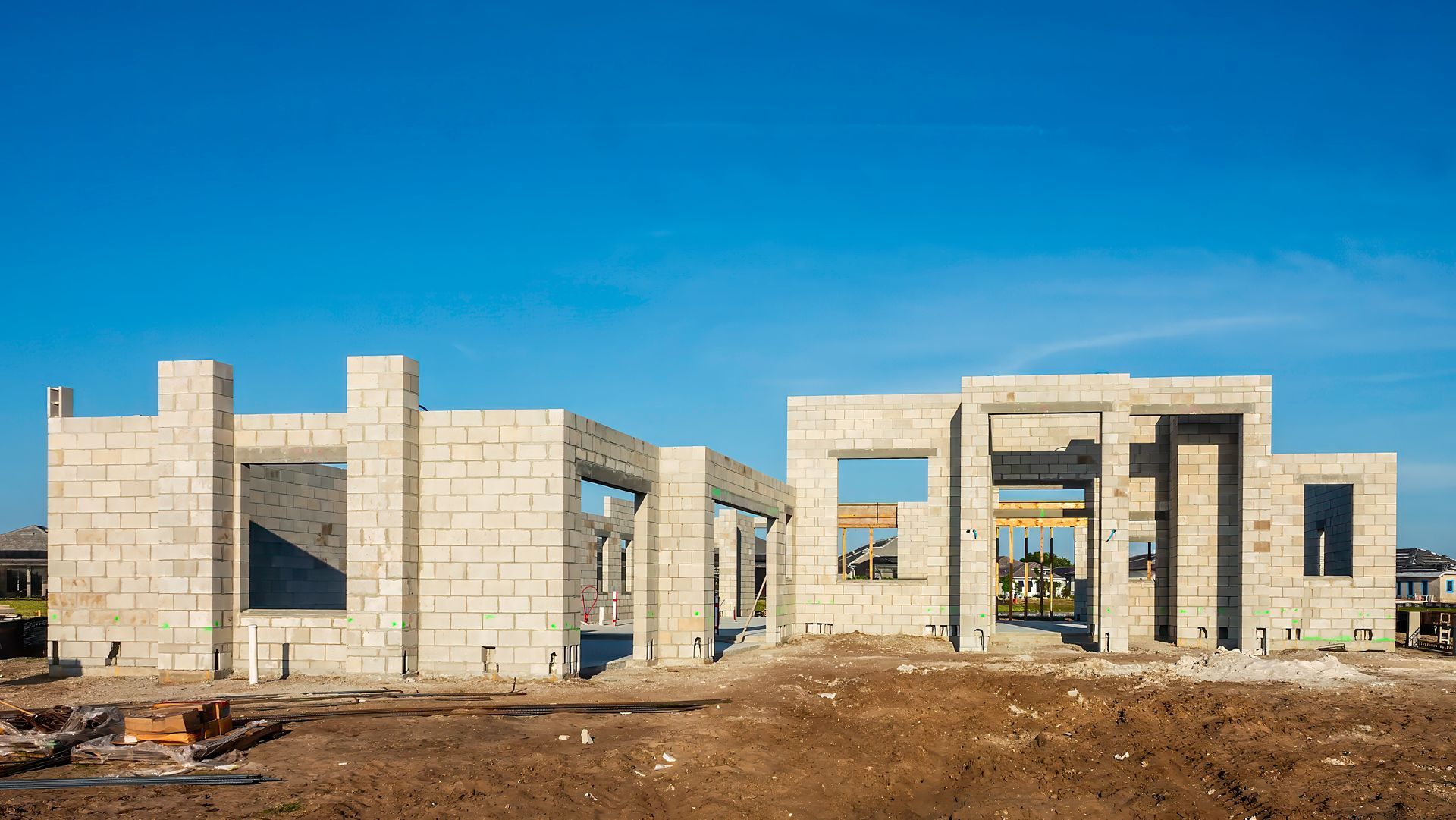
Speed of construction is another reason concrete wall panel systems are taking over as the future of homebuilding. Cemwall panels are delivered ready to install, and once in place, they act as both the formwork and the finished wall structure. This eliminates the need for stripping forms, cutting and stacking lumber, or spending weeks waiting for framing to be completed. With Cemwall, crews can move faster, schedules are more predictable, and costs tied to labor delays are reduced. In a market where labor shortages and rising costs continue to slow down projects, having a system that simplifies construction is a major advantage.


Energy efficiency is also an important topic for homeowners today. While Cemwall’s panels are not designed as insulation themselves, the concrete and fiber cement design creates thermal stability that helps regulate indoor temperatures. That means homes stay cooler in the summer and warmer in the winter without HVAC systems working as hard. Combined with insulation and energy-efficient design, concrete wall panels play an important role in reducing utility bills and creating comfortable living spaces.

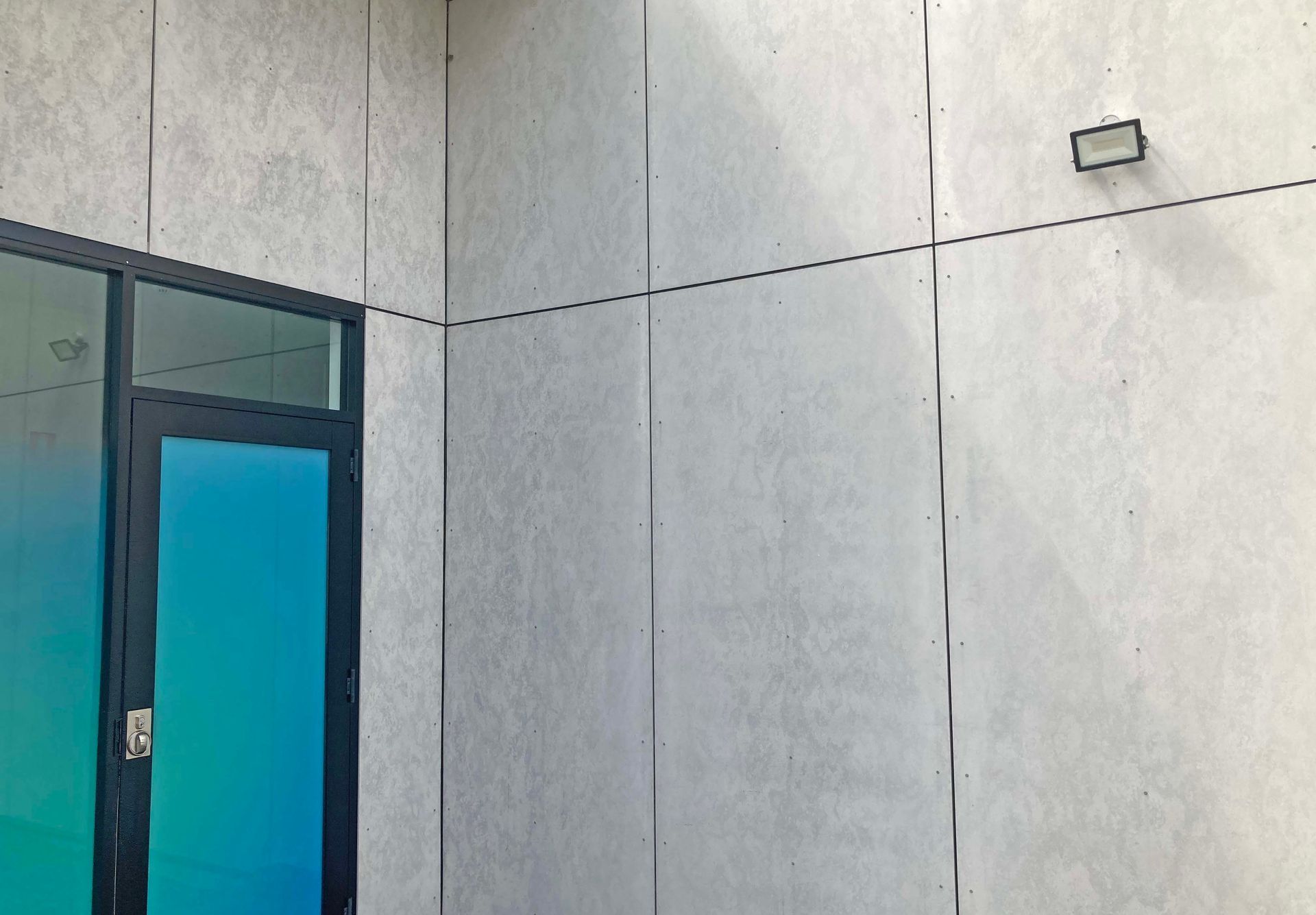
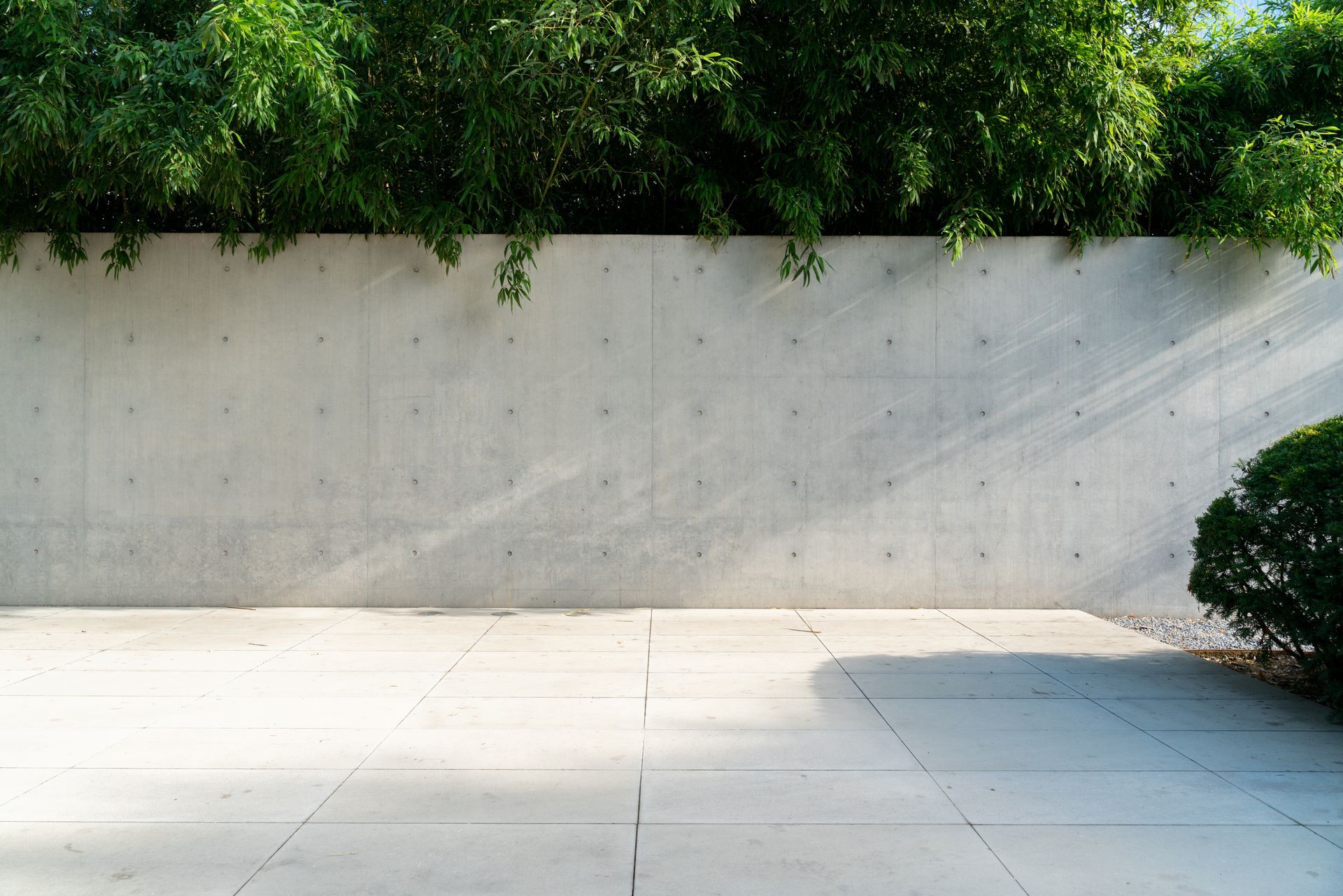
Another benefit that often gets overlooked is flexibility in design. Some people assume concrete panels mean a bland, industrial look. The truth is that Cemwall panels serve as a structural base and can be finished with almost any material. Brick, stucco, siding, and stone veneers all work seamlessly with Cemwall, giving homeowners freedom to design a house that looks exactly the way they want while still having the strength of reinforced concrete underneath. Architects and builders love this because it allows for creativity without sacrificing safety or performance.


The future of residential construction is not just about building houses that look good on day one, it is about building homes that will last for generations. Cemwall is focused on solutions that deliver long-term value, and that is why their system stands out in today’s market. Whether it is a single-family home, a multi-unit development, or affordable housing projects, the advantages of concrete wall panel systems cannot be ignored. Stronger homes mean safer families. Faster builds mean lower costs. Better durability means less stress over repairs and maintenance.


The construction industry is under pressure to deliver housing that is affordable, efficient, and resilient. Homeowners want peace of mind, developers want predictability, and communities want homes that can withstand the challenges of climate, pests, and time. Cemwall Systems offers an answer to all of these needs. By rethinking how walls are built, they are creating a path forward that moves beyond outdated framing methods.


If you are considering building a home or planning a residential development, now is the time to take a serious look at concrete wall panel systems. The advantages are clear, and more homeowners are realizing that stronger does not have to mean more expensive or less attractive. Cemwall provides the perfect balance of strength, speed, and design flexibility.


Cemwall Systems is ready to partner with homeowners, contractors, and developers who want to embrace the future of construction. Their team can walk you through the process, explain the benefits in detail, and show you how to make your next project stronger and smarter from the ground up. The future of residential construction is here, and it is built with concrete wall panels. Reach out to Cemwall Systems today to learn how their technology can make your project stand out for all the right reasons.

By VIV Builder August 10, 2026
Discover how concrete wall systems improve pools, retaining walls, and specialty builds with strength, moisture resistance, and long-term durability.
By VIV Builder August 3, 2026
Discover why concrete wall systems are ideal for commercial and industrial buildings, offering durability, fire resistance, and faster construction.
By VIV Builder July 27, 2026
Learn why concrete wall systems are ideal for hurricane-prone areas, offering greater strength, moisture resistance, and storm protection.
By VIV Builder July 20, 2026
Learn how Cemwall panels reduce labor, simplify concrete wall construction, and help builders complete projects faster without sacrificing strength.
By VIV Builder July 20, 2026
Discover how fire-resistant concrete wall systems improve building safety, durability, and long-term protection for homes and businesses.
By VIV Builder July 13, 2026
Compare concrete wall systems to traditional wood framing and learn why builders choose concrete for greater strength and durability.
By VIV Builder July 13, 2026
Learn how FEMA-rated concrete wall systems help protect buildings from hurricanes, tornadoes, and extreme weather with lasting strength.
By VIV Builder July 6, 2026
Learn why builders choose fiber cement concrete wall systems for faster construction, greater durability, and long-lasting structural performance.
By VIV Builder July 2, 2026
Discover how leave-in-place concrete wall panels speed construction while delivering durable, reinforced walls for residential and commercial projects.
March 24, 2026
Choosing the right wall system for a commercial or industrial project is one of the most important decisions made during the planning phase. It is not just about selecting a material, it is about choosing a system that will impact construction timelines, long term performance, operating costs, and the overall value of the building. With so many options available, understanding what actually matters in that decision can help you avoid costly mistakes and set your project up for success from the start. One of the first things to consider is how the wall system fits into your overall project goals. Every project has different priorities, whether it is speed to completion, long term durability, energy efficiency, or cost control. The right system should align with those priorities rather than forcing compromises later in the process. Taking the time to define what matters most at the beginning makes it easier to evaluate your options and choose a solution that supports those objectives. Construction timeline is often a major factor in this decision. Wall systems play a critical role in how quickly a building can move from structure to completion. Systems that require multiple steps, trades, and extended installation time can slow down progress and create delays across the entire project. In contrast, systems that are designed for efficiency can help keep everything on track and allow other phases of construction to begin sooner. This has a direct impact on both schedule and cost. Durability is another key consideration that should not be overlooked. Commercial buildings are expected to perform for years while handling environmental stress, daily use, and changing conditions. Wall systems that are prone to wear, moisture issues, or structural limitations can create long term challenges that are expensive to address. Choosing a system that is built for durability helps reduce maintenance needs and supports consistent performance over time. Energy performance is becoming increasingly important in modern construction. The wall system plays a major role in how well a building maintains temperature, controls air flow, and manages energy use. Systems that provide consistent insulation and reduce air leakage contribute to lower operating costs and a more comfortable environment for occupants. This is not just a benefit, it is becoming a standard expectation in many commercial projects. Labor and installation requirements also influence the overall decision. Construction environments are facing ongoing challenges with labor availability, and systems that require complex installation processes can add unnecessary strain to the project. Wall systems that are designed to simplify installation and reduce the number of steps involved help create a more efficient workflow. This allows crews to complete work more effectively and reduces the risk of delays. Consistency and quality control are closely tied to the type of system you choose. Traditional construction methods can vary depending on the crew and conditions on site, which can lead to inconsistencies in the final product. Systems that are engineered for repeatable results help ensure that quality is maintained across the entire project. This reduces the likelihood of rework and supports a smoother construction process. Long term cost should also be evaluated beyond the initial price of materials and installation. While upfront costs are always part of the decision, the total cost of ownership provides a more complete picture. Wall systems that require frequent maintenance or experience performance issues can become more expensive over time. Investing in a system that supports long term reliability often leads to better financial outcomes. Flexibility is another factor that can impact how well a wall system supports your building over time. Commercial and industrial spaces often evolve, and having a structure that can accommodate those changes without major modifications is a significant advantage. A strong and adaptable wall system allows the building to meet future needs while maintaining its integrity. Working with the right partner is also an important part of the process. Choosing a wall system is not just about the product, it is about the expertise and support behind it. A knowledgeable team can help guide your decision, provide insight into how the system will perform, and ensure that installation is handled correctly. This level of support can make a meaningful difference in how the project comes together. Selecting the right wall system is about more than checking a box in the planning phase. It is about making a decision that supports every stage of the project, from construction to long term use. When the system aligns with your goals and is designed to perform, it becomes a foundation for success rather than a potential source of challenges.  CEM Wall Systems is focused on providing solutions that meet the demands of modern commercial construction. By prioritizing efficiency, durability, and long term performance, they help ensure that your project is built with a system that supports both immediate results and lasting value.
More Posts