Becoming a Cemwall Certified Installer: What the Training Involves and Why It Exists
For a lot of builders, the last quarter of the year is when you decide what your company will offer next season. If clients, architects, or other contractors have been asking about concrete wall panel systems, you may be weighing whether to add Cemwall Systems® to your services. Becoming a Cemwall certified installer is the only way to do that, and this post explains what the path looks like.
We will cover why certification is required, what the program includes, how the system works at a high level, and how to tell whether it is a good fit for your crew.
Why Cemwall requires certification
Cemwall's building system depends on precise installation for its durability, efficiency, and long-term performance. That is why we only work with trained and certified professionals who understand the properties of our panels and the best practices for installing them.
Every builder and contractor must complete our comprehensive training program before becoming certified to install Cemwall panels. The requirement protects the integrity of every project, reduces errors on site, and protects the investment of the builders and developers who choose the system.
Key takeaway: certification is not an optional upgrade. Cemwall panels are installed only by builders and contractors who have completed our training program.
It also protects you. When something goes wrong on a job, the builder's name is on it. Training means you start your first Cemwall project knowing what the system expects of you.
What the Cemwall certified installer program includes
Here is what the program involves, as it stands today:
- A comprehensive training program that every builder and contractor completes before installing Cemwall panels.
- Hands-on training, which is required for architects, contractors, and installers.
- On-site support for your first build. Cemwall instructors are on location to support proper installation and best practices.
- A path to certified installer status. Experienced builders can become certified installers after successfully completing multiple projects.
- The Cemwall Training Series, a video introduction you can watch on our build process page before you reach out.
Scheduling, format, and next steps for your company are best covered in a direct conversation with our team, so we can match the program to the work you are planning.
How the system works, at a high level
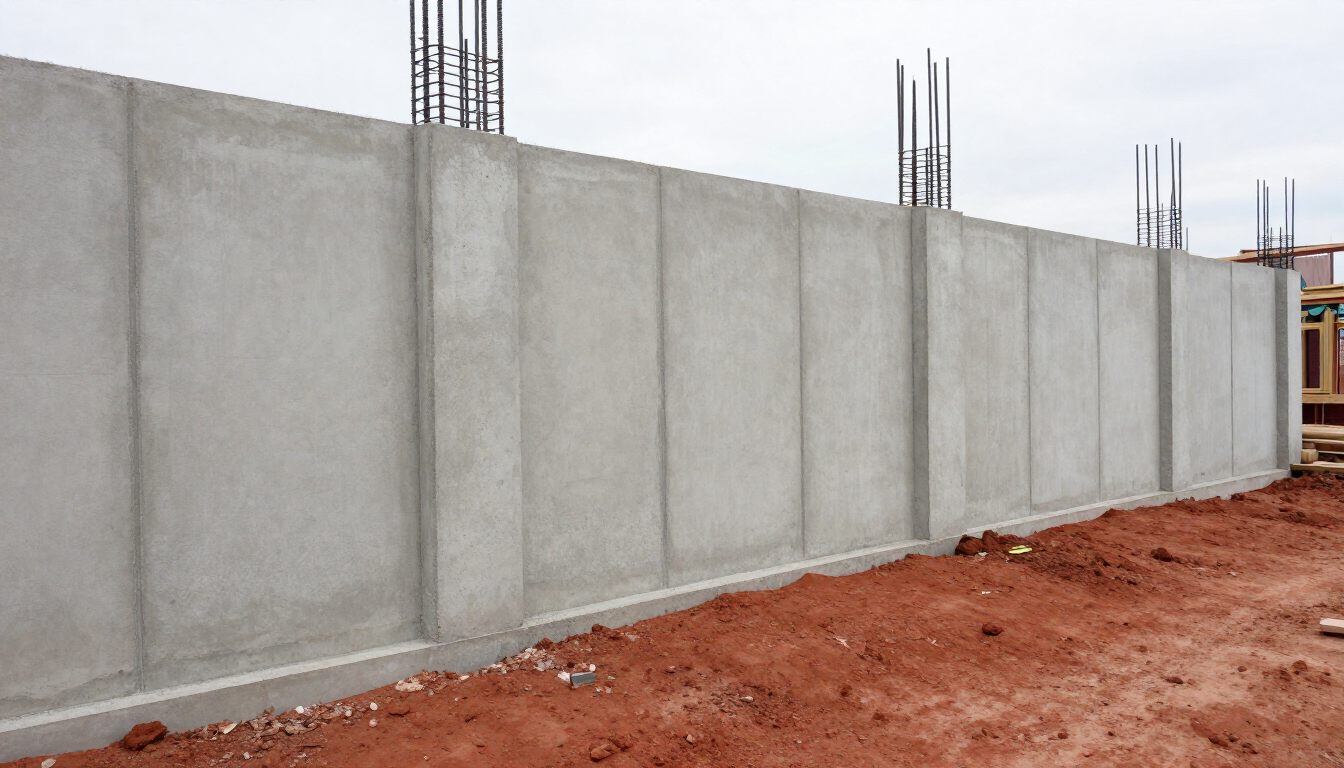
It helps to know what you would be training on. Cemwall is a patented, leave-in-place, pour-in-place fiber cement panel system. Standard 4' x 8' panels are reinforced using our Patented Cup System and Patented J-Hook Rebar, then filled with concrete, and the panels stay in place as the finished wall faces.
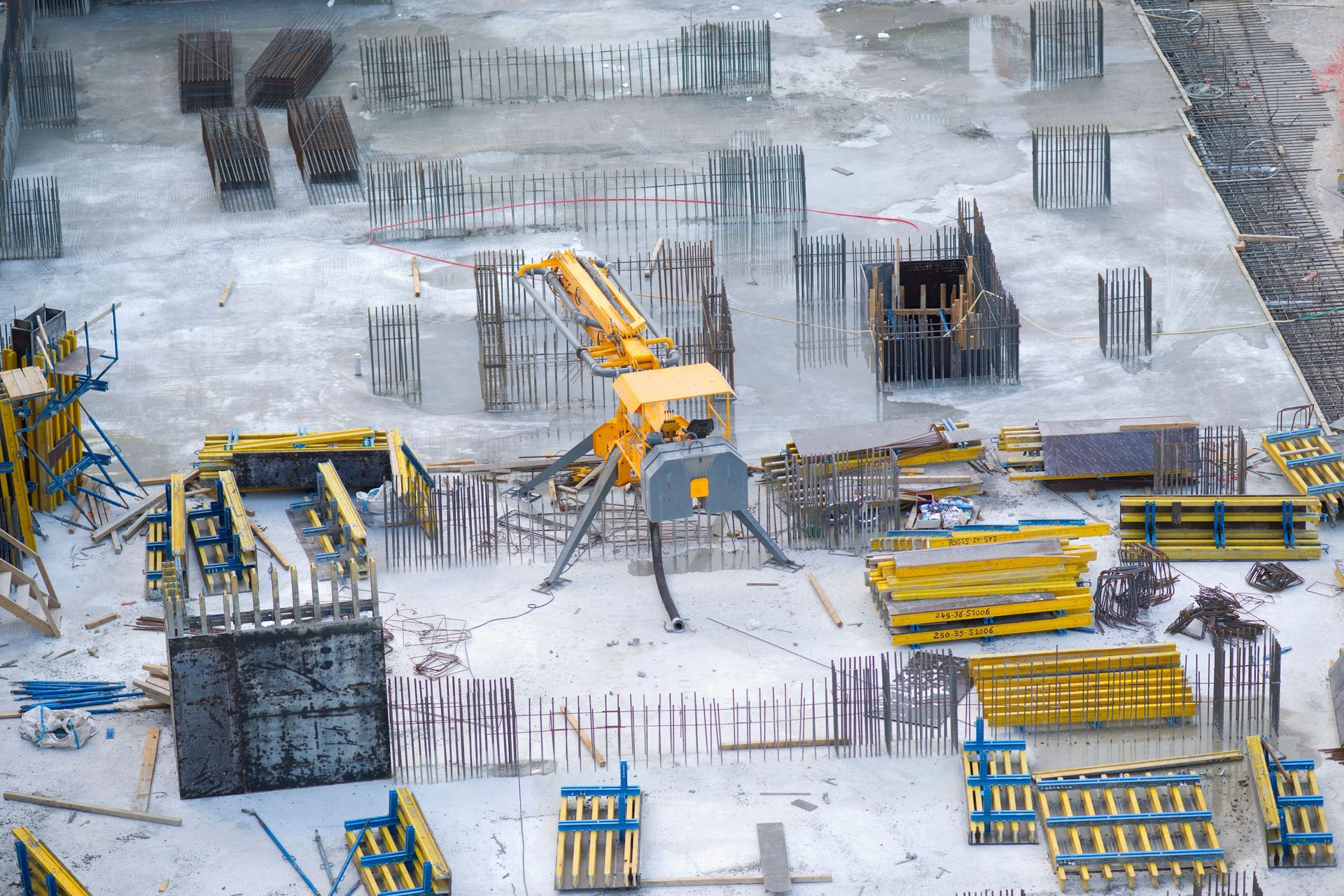
Broadly, a Cemwall build moves through these phases:
- Site preparation, compaction, and setting elevation
- Setting foundation blocks and footing reinforcement
- Assembling Cemwall panels on the foundation blocks
- Installing rebar, electrical boxes, and internal plumbing
- Pouring concrete for structural reinforcement
- Finishing with a mortar wash or paint
This overview shows how the system comes together. It is not installation instruction, and no one should attempt a Cemwall installation from it. The procedures, tolerances, and sequencing are what the training program covers.
The business case for adding Cemwall
Every company weighs this differently, but these are the factors worth considering:
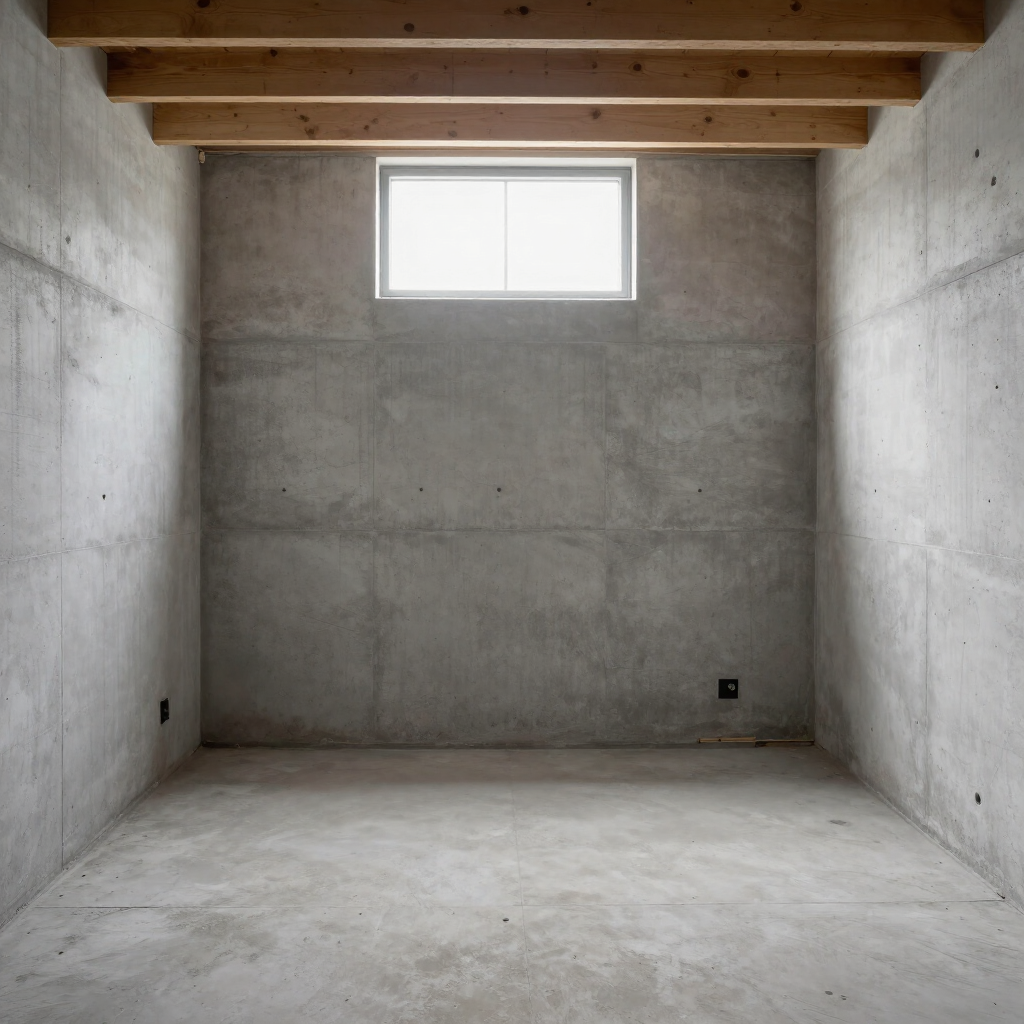
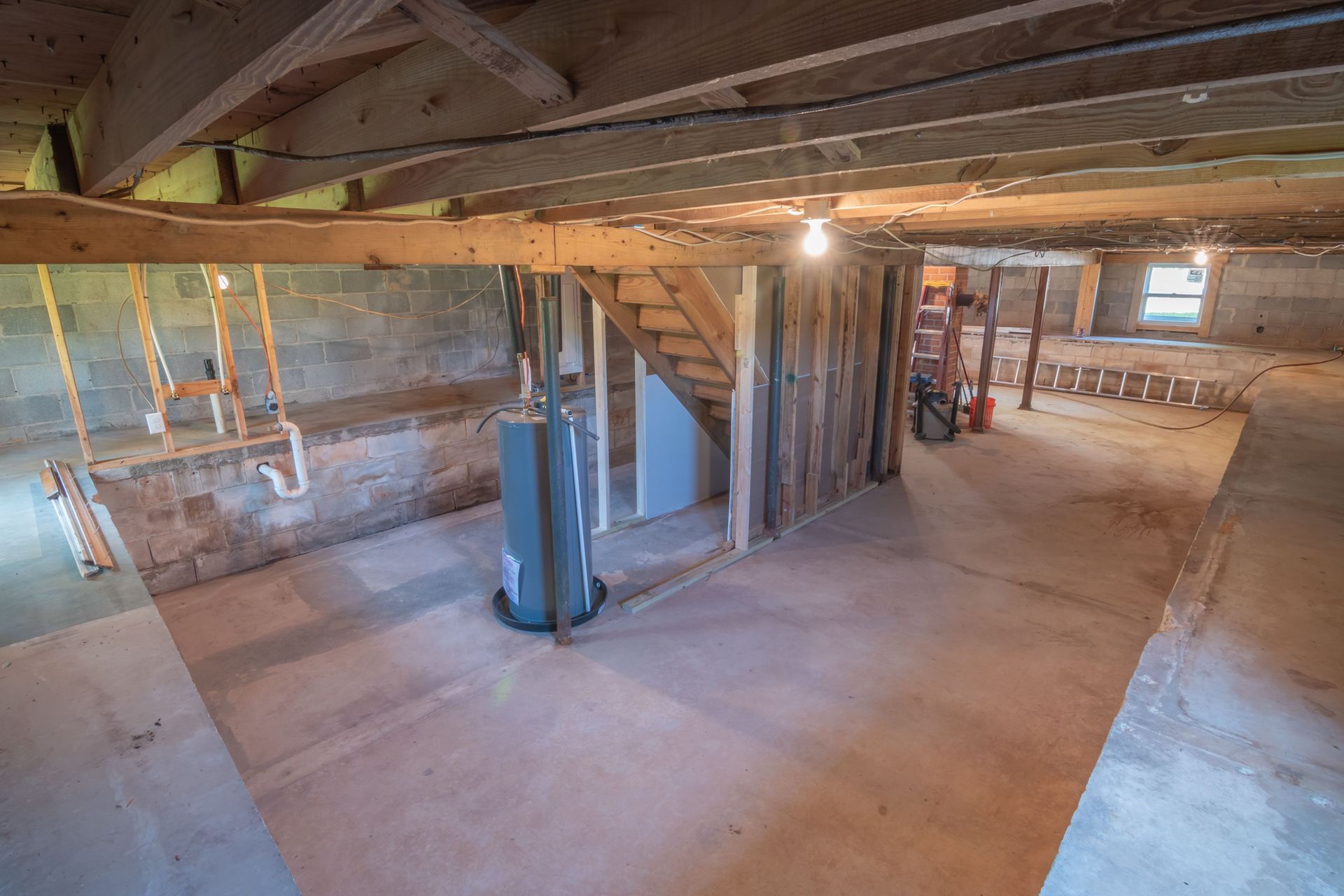
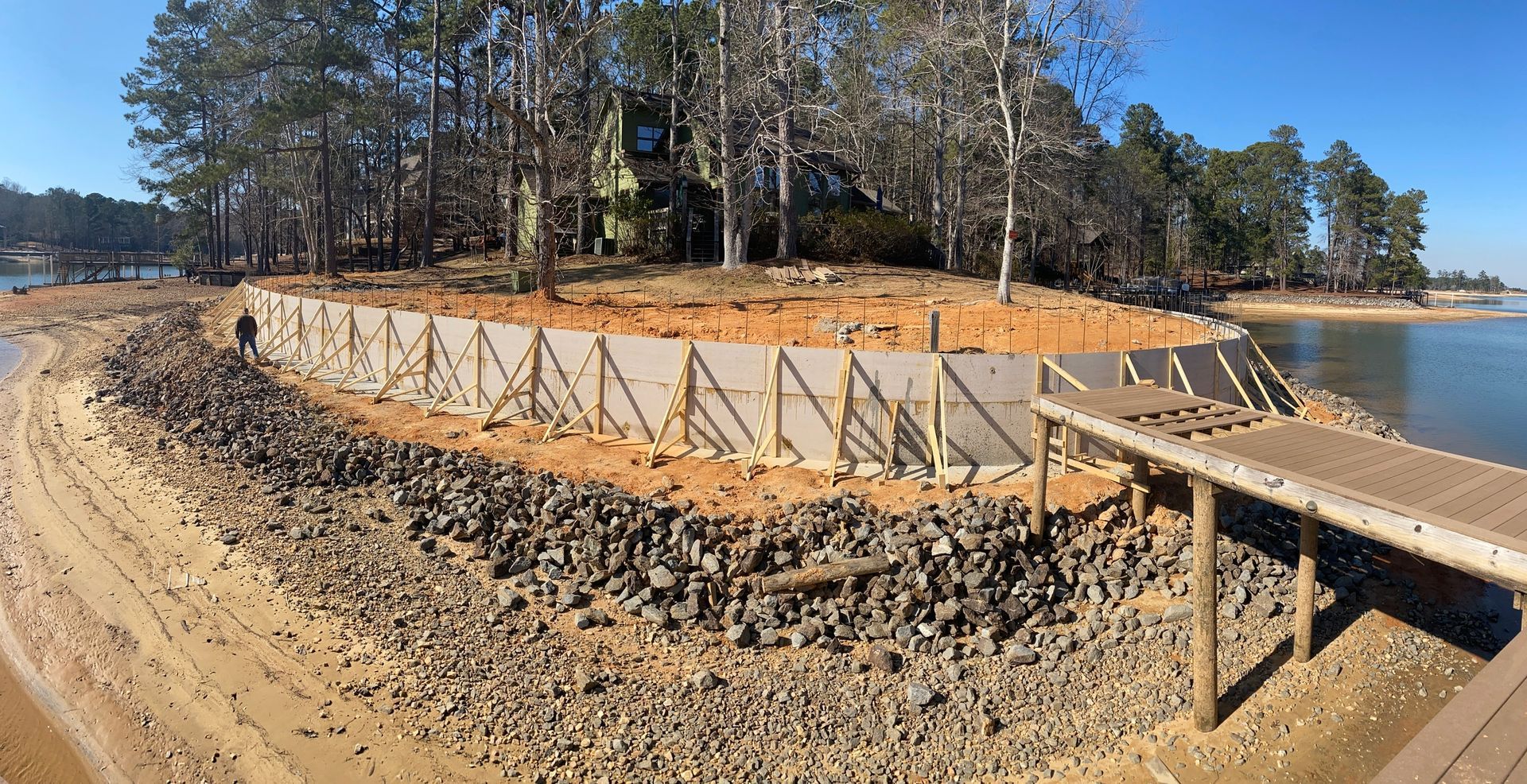
- Range of applications. The same panel system is used for full builds, foundations, basements, retaining walls, sea walls, pools, safe rooms, and data centers. Our additional services page shows examples.
- Resilience your clients ask about. Cemwall panels are FEMA-certified and impact rated for winds up to 250 mph, and they carry a 0 burn and 0 spread fire rating. In storm- and fire-exposed markets, those are points clients understand.
- A streamlined process. The system is designed to save time and labor and to eliminate unnecessary steps found in traditional construction, since the forms stay in place.
- Regional support. Cemwall is sold through a distributor network covering Alabama, Florida, Georgia, Mississippi, and Tennessee.
Is your crew a good fit?
Certification works best for companies that can answer yes to most of these questions:
- Do you already have concrete and foundation experience on your crew?
- Will your team follow a manufacturer's process exactly, even when it differs from habit?
- Can you coordinate electrical and plumbing rough-ins before the pour, rather than after?
- Do you build in Alabama, Florida, Georgia, Mississippi, or Tennessee?
- Do you have a first project in view where on-site support could be scheduled?
If you are still deciding how specialized wall work fits your business, our post on why specialized concrete wall contractors matter for long-term structural performance covers the owner's side of that question.
Your first build, with Cemwall on site
The first project is where the training meets your jobsite. For a builder's first build, Cemwall instructors are on location to support proper installation and best practices.
That support is part of how we maintain quality standards across every project. It also gives your crew a chance to ask questions in the field, on your own site, rather than learning by trial and error. As always, your project still needs its own engineer, approved plans, and review by your local authority having jurisdiction.
Our About page explains more about how certified installers fit into the way we work.
What certification does not replace
Certification qualifies you to install Cemwall panels. It does not replace the rest of the project team, and it is worth being clear with clients about that from the start.
- Engineering. Foundations, retaining walls, sea walls, and below-grade work still need a licensed engineer.
- Plans and approvals. Your projects still go through the local authority having jurisdiction, just as they do today.
- Technical documentation. The Spec Sheet and the Cemwall Information Handbook remain the reference for product details, and a Cemwall representative is available for questions.
Builders who explain this upfront tend to set better expectations with owners. It also positions your company as the one that does things properly, which is the point of certification in the first place.
Ask about becoming a certified installer
If you are planning next season's work, now is a good time to start the conversation. Contact us today , call 1-888-823-6925, or email info@cemwallsystems.com and tell us about your company and the projects you have in mind.