What to Know Before Building a Concrete Panel Sea Wall on Your Property
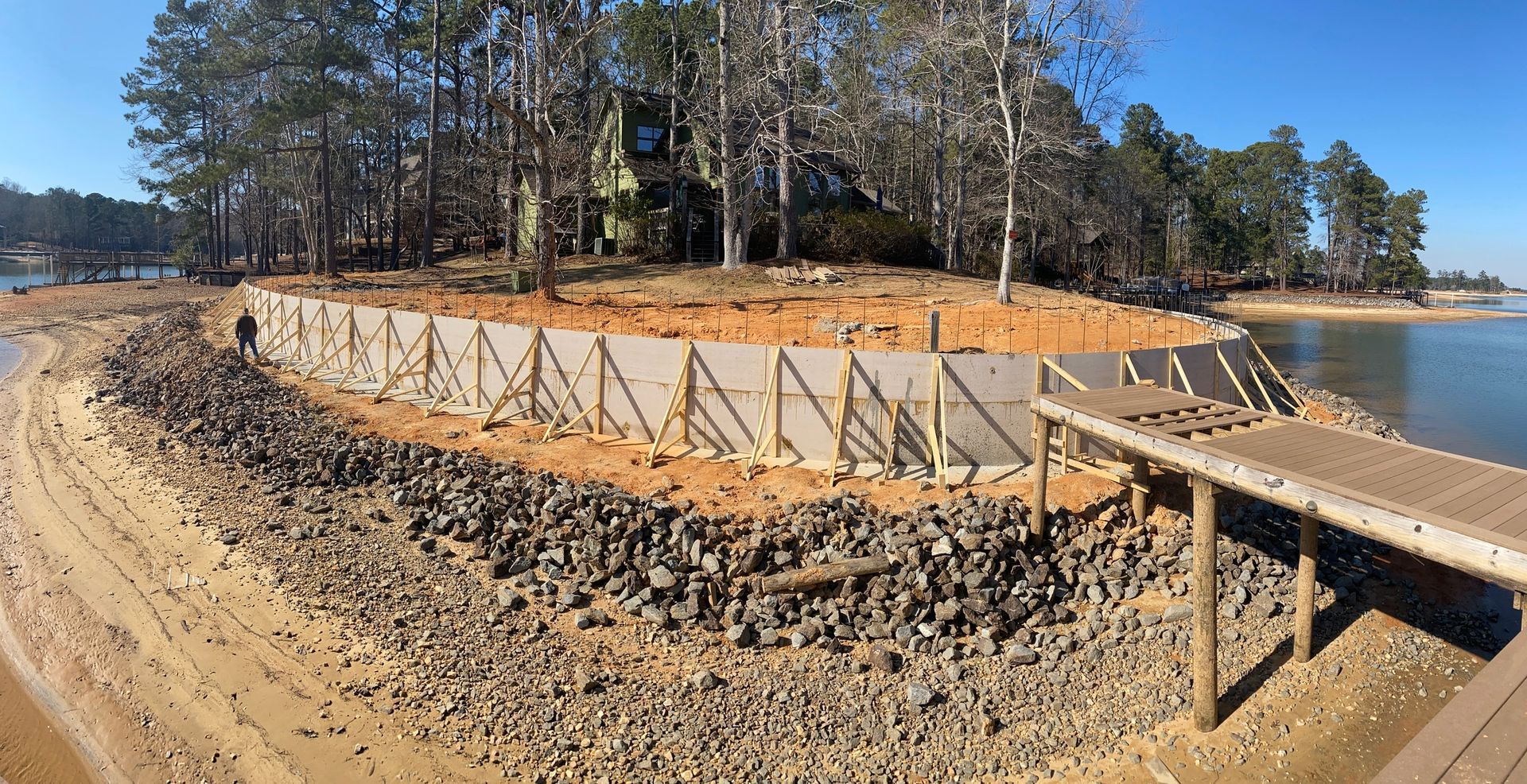
Shorelines move. If you own property on a lake, a river, or the coast anywhere across the Southeast, you have probably watched the bank give up ground over a few seasons, or watched a neighbor's wall fail and wondered how long yours has. At some point the question stops being whether to build a sea wall and becomes what to build it out of.
A concrete panel sea wall is one of the options in front of you. This post covers what that actually means with the Cemwall Systems® panel system, which decisions belong to your engineer rather than to your material supplier, and what to have in hand before you ask anyone for a number.
What a concrete panel sea wall is
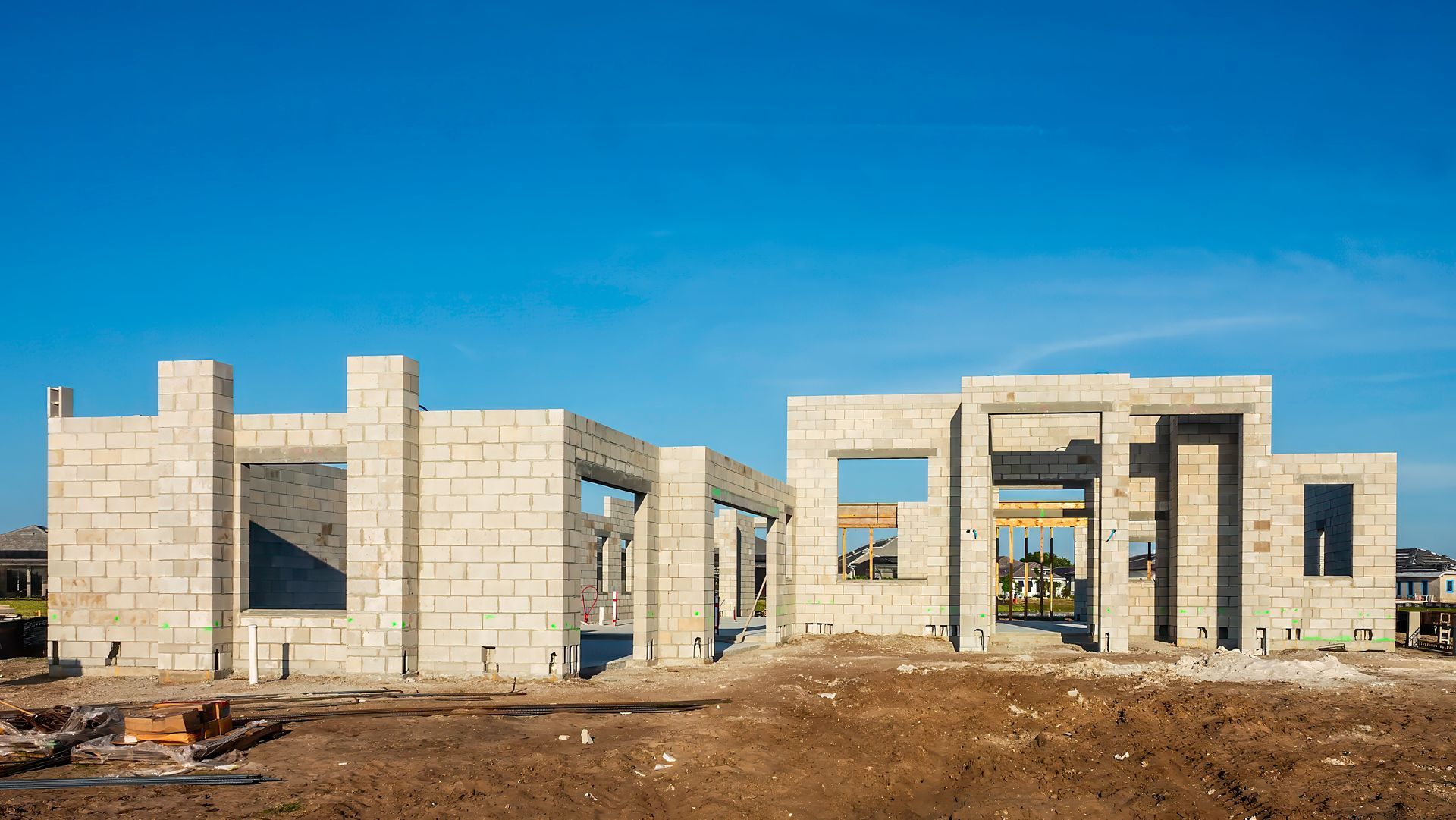
Cemwall panels are a leave-in-place, pour-in-place system. The panels arrive at the site in a standard 4' x 8' size, get assembled into the wall line, and are then filled with concrete on site. The panel does not come off afterward. It stays as the permanent face of the finished wall.
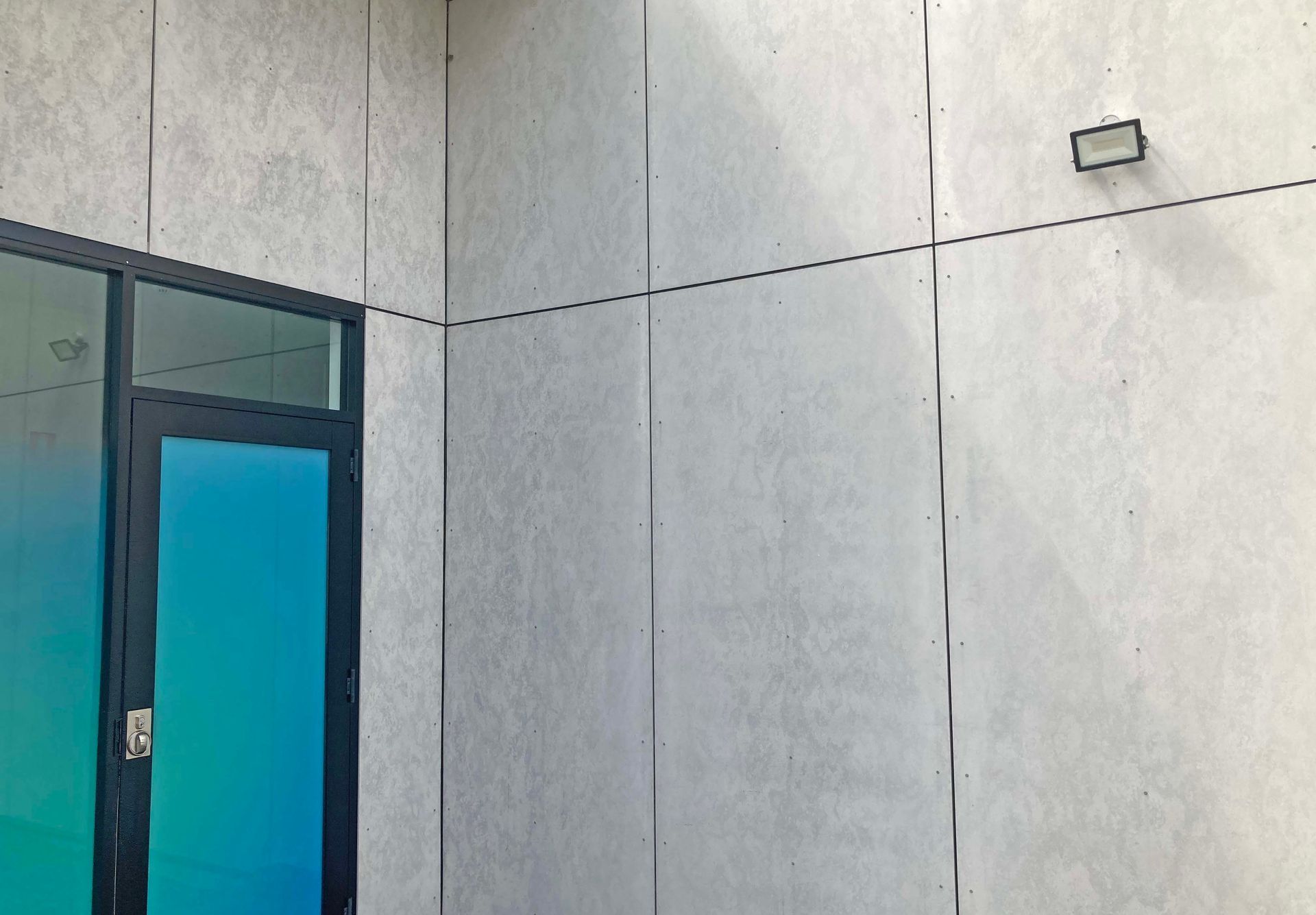
Each panel has 1/4" cement fiber panels on both faces with a reinforced concrete core between them. Reinforcement runs through the assembly using our Patented Cup System and Patented J-Hook Rebar, and the wall sits on a reinforced concrete footer with solid fill. If you want the full picture of how the panel system is put together, the panel and footer assembly diagrams on that page are the accurate version.
The practical difference from a form-and-strip approach is that there is no stripping. The forming face becomes the finished face, which matters more on a shoreline than it does on a foundation, because a shoreline wall is a wall people look at.
The decisions that belong to a licensed engineer
A sea wall is a structural retaining problem before it is a material problem. No panel manufacturer, distributor, or blog post can tell you how tall your wall should be, how deep it needs to go, how it should be reinforced, or whether it needs drainage behind it.
Those answers depend on your soil, your water conditions, what sits behind the wall, and what the water does in a storm. They come from a licensed engineer who has looked at your site. Shoreline work also usually involves permitting beyond a standard building permit, and your engineer and your authority having jurisdiction will tell you what applies to your parcel.
What we can tell you is what the panel system is made of and what it is certified for. Everything past that is a design question, and we would rather say so plainly than guess.
| Question | Who answers it |
|---|---|
| How tall, how deep, how reinforced, and what drainage | Your licensed engineer, based on your site |
| What permits and reviews apply to shoreline work | Your engineer and your authority having jurisdiction |
| What the panel is made of and how it is reinforced | The Cemwall Spec Sheet and Information Handbook |
| Whether the system suits your specific conditions | Your engineer of record, reviewing our documentation |
| Availability, lead time, and pricing in your area | Your regional Cemwall distributor |
| Who is certified to install it near you | Your regional Cemwall distributor |
Why the material choice matters at the water line
A shoreline wall lives in the worst conditions a wall can live in. It stays wet, it dries out, it gets hit by wave action, and in most of the Southeast it does all of that in high humidity with heavy insect pressure on anything organic nearby.
Cemwall panels are moisture resistant by design. The fiber cement construction is built to withstand water and humidity, which is the same property that makes the system a candidate for basements and pools. The panels also resist termites and other pests, and they carry a 0 burn and 0 spread fire rating, which matters less at the water line and more if the wall ties into outdoor living space above it.
We will not tell you a sea wall is waterproof or storm proof. It is a resistant material, correctly installed, on a structure an engineer designed. That combination is what holds up.
Where sea walls fit in the rest of the system
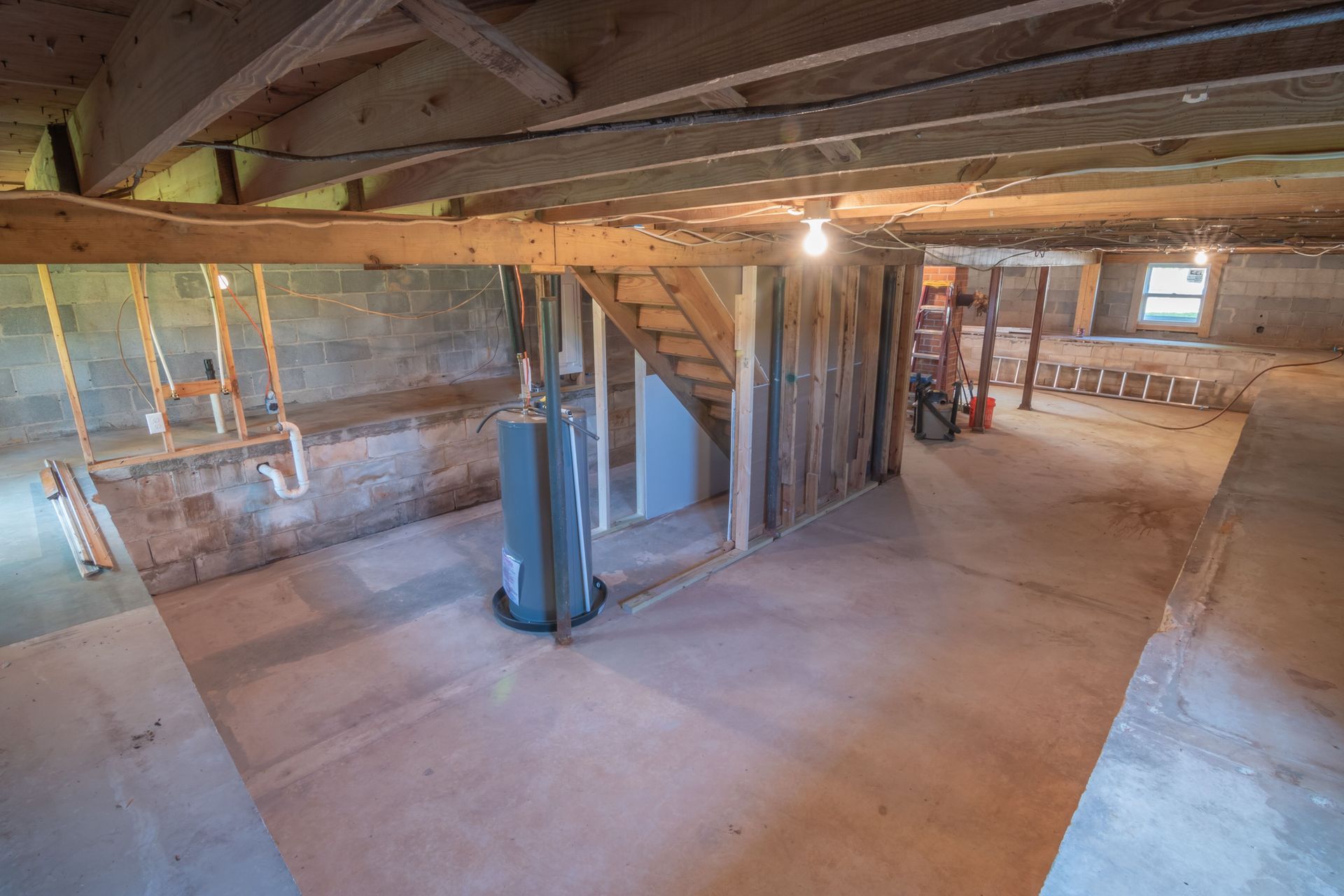
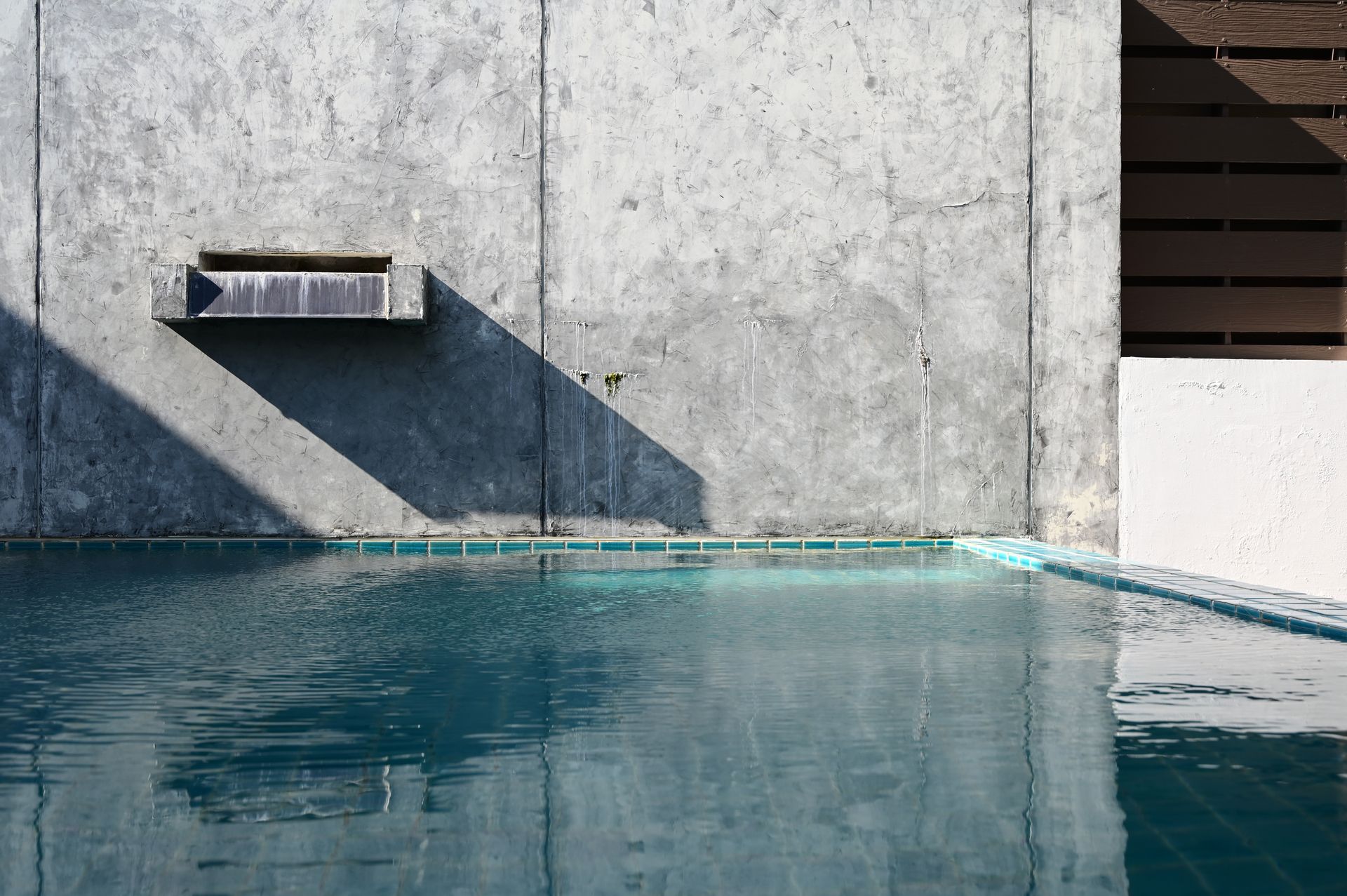
Owners rarely build only a sea wall. The same panels handle the retaining work, foundations, basements, and pool shells on a waterfront property, which is part of why the material shows up on lake and coastal projects across our network. We list sea walls alongside basements, pools, safe rooms, and data centers on the services page for that reason.
If you are weighing several structures on one site, it is worth reading about disaster-resilient applications for the panel system before you split the work between materials. Keeping one system across the site tends to simplify both the design conversation and the crew.
Installation goes through a certified installer
Cemwall panels are installed only by contractors who have completed our certified training program. That is not a preference, it is a requirement, and it exists because the reinforcement and pour details are what make the finished wall perform. On a builder's first Cemwall project, a Cemwall instructor is on site during the build.
If a contractor tells you they can put in a Cemwall wall without being certified, that is your signal to call the distributor and confirm. On a structure holding back a bank, correct installation is not a detail you get to take on faith.
Where to send the technical questions
Before your engineer specifies anything, point them at the real documentation rather than at a summary. The Spec Sheet, the Cemwall Information Handbook, and our FEMA and fire certification documents are all linked from the What is Cemwall page. Anything those do not answer, a Cemwall representative can take directly.
Starting the conversation
If you are planning shoreline work in Alabama, Florida, Georgia, Mississippi, or Tennessee, the first two calls are your engineer and your regional distributor, roughly in that order.
Find the distributor covering your area to check availability and get pointed to certified installers nearby, or talk to a Cemwall representative about your project and request a quote.