Why Durability Matters More Than Ever in Modern Commercial Construction
Durability has always been an important factor in construction, but it is becoming even more critical as expectations for buildings continue to rise. Commercial and industrial structures are expected to perform for decades while withstanding environmental stress, evolving regulations, and changing usage demands. In this environment, durability is not just a benefit, it is a requirement for long term success.
One of the main reasons durability matters more today is the increasing cost of repairs and maintenance. Buildings that experience issues with structural components, moisture intrusion, or material degradation can quickly become expensive to maintain. These costs add up over time and can significantly impact the overall value of the property. Durable construction helps reduce these risks by creating a structure that performs consistently over the long term.
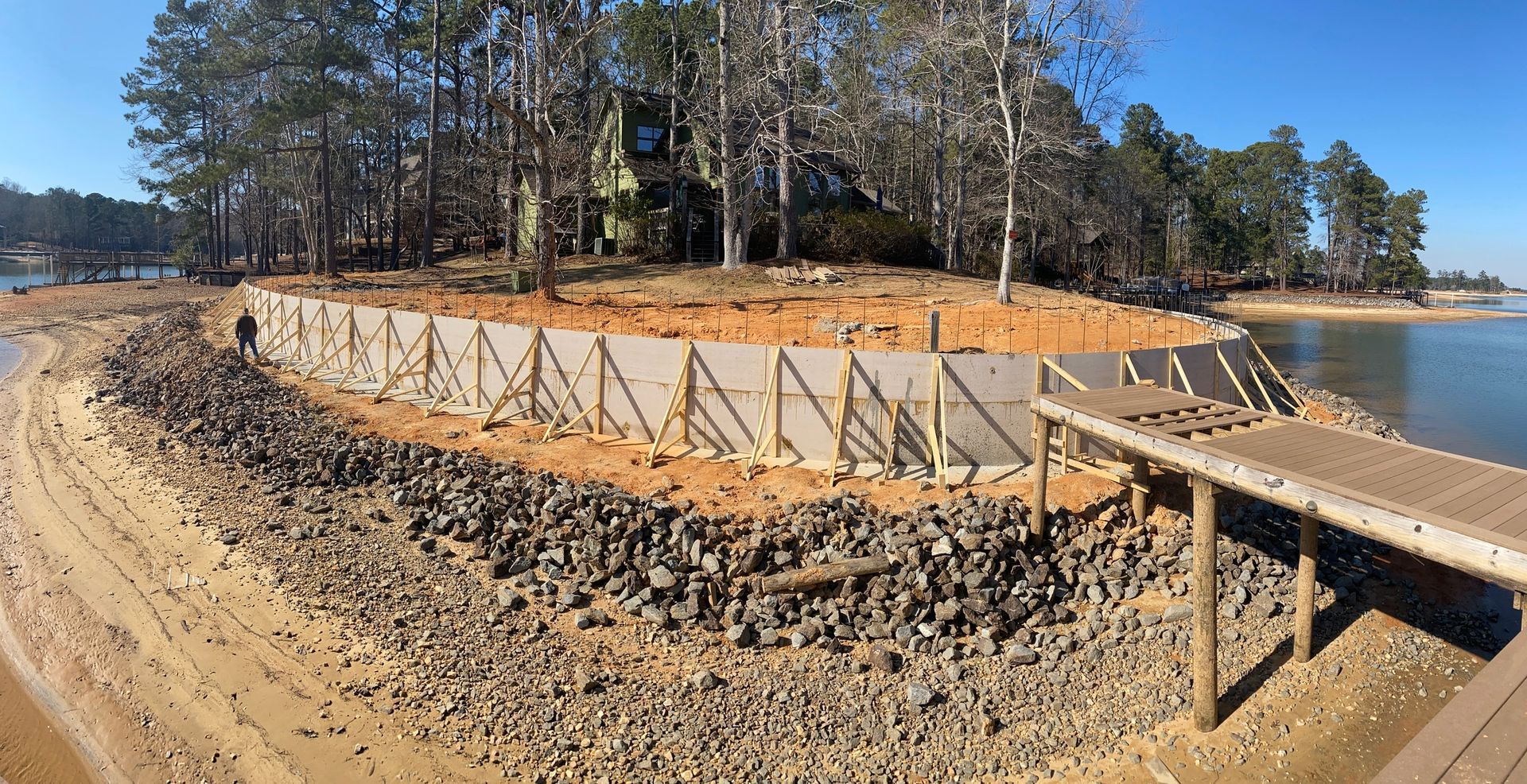
Environmental factors also play a larger role in modern construction. Buildings are exposed to a wide range of conditions, including extreme weather, temperature fluctuations, and moisture. Materials that are not designed to handle these conditions can deteriorate over time, leading to performance issues and potential safety concerns. Concrete wall systems are built to withstand these challenges, providing a level of resilience that supports long term durability.
Another consideration is how durability impacts building performance. Structural integrity, energy efficiency, and overall usability are all connected to the condition of the building over time. When wall systems maintain their strength and stability, they support consistent performance across all areas of the building. This leads to fewer disruptions and a more reliable environment for occupants.
Code requirements are also evolving, placing greater emphasis on long term performance and safety. Buildings that are constructed with minimal compliance in mind may face challenges as regulations change. Durable construction helps ensure that buildings remain compliant and adaptable, reducing the need for costly upgrades or modifications in the future.
From an investment perspective, durability is closely tied to asset value. Buildings that require frequent repairs or experience performance issues are less attractive to buyers and tenants. In contrast, structures that demonstrate long term reliability are more likely to retain their value and provide stable returns. This makes durability a key consideration for developers and property owners.
Durability also supports operational efficiency. Buildings that maintain their structural integrity and energy performance require fewer resources to operate. This leads to more predictable costs and a more stable financial outlook over time. For commercial and industrial projects, this level of predictability is essential.
Another important factor is risk reduction. Construction projects involve a wide range of variables, and minimizing risk is a priority at every stage. Durable materials and systems reduce the likelihood of issues that could lead to delays, repairs, or liability concerns. This creates a more secure foundation for both the construction process and the long term performance of the building.
The focus on durability is not just about building stronger structures, it is about building smarter ones. It is about understanding how materials, design, and installation come together to create a system that performs consistently over time. This approach supports better outcomes for developers, contractors, and building owners alike.
As the demands on commercial construction continue to grow, durability will remain a central factor in how buildings are designed and built. Choosing systems that prioritize long term performance is one of the most effective ways to ensure that a project meets expectations not just at completion, but for years to come.