What to Look for in a Concrete Wall Systems Partner for Commercial and Industrial Projects

Choosing a concrete wall systems partner is one of the most important decisions you will make during a commercial or industrial construction project. Walls are not just structural elements that hold a building up. They affect safety, energy performance, long term maintenance costs, and how smoothly a project moves from planning to completion. Because of that, the right partner does more than install concrete. They help guide decisions, reduce risk, and ensure the wall system performs the way it is supposed to long after construction is complete.


One of the first things to look for in a concrete wall systems partner is specialization. Not every concrete contractor has experience with complex wall systems used in commercial and industrial buildings. Specialized wall system providers focus specifically on structural wall performance, reinforcement strategies, insulation integration, and long term durability. This level of focus matters because wall systems are influenced by soil conditions, building loads, moisture exposure, and local codes. A partner who works with these variables every day is far more likely to anticipate challenges and address them before they become problems.


Experience with similar project types is another critical factor. Commercial and industrial projects each come with their own requirements and expectations. Warehouses, manufacturing facilities, multi unit buildings, and institutional structures all place different demands on wall systems. A qualified partner should be able to demonstrate experience working on projects similar in size and complexity to yours. This experience translates into better planning, fewer surprises during construction, and more confidence in the final outcome. When a contractor understands the realities of large scale projects, they are better equipped to keep things moving efficiently.


Strong collaboration is also something that should not be overlooked. A concrete wall systems partner should be comfortable working closely with architects, engineers, general contractors, and inspectors. Wall systems must integrate seamlessly with foundations, framing, roofing, and mechanical systems. Poor coordination can lead to delays, rework, and added costs. A good partner communicates clearly, asks the right questions early, and stays engaged throughout the project rather than treating wall installation as an isolated task.


Another key factor is a clear focus on long term performance, not just short term completion. It is easy for a project to look successful on the day it is finished, but the real measure of success is how the building performs years later. Cracking, moisture intrusion, and insulation issues often trace back to decisions made during the wall system design and installation phase. A reliable partner prioritizes proper reinforcement placement, moisture management, and insulation strategy to protect the structure over time. This approach helps avoid costly repairs and operational disruptions later on.

Consistency in process and quality control is another sign of a strong concrete wall systems partner. Commercial projects often involve tight schedules and multiple phases, which makes consistency critical. A partner with defined processes and trained crews can deliver predictable results across different sites and conditions. This consistency helps owners and developers plan more accurately and reduces the risk of delays caused by quality issues. It also creates confidence that each section of the wall system meets the same standards, regardless of project size.


Understanding code requirements and inspection processes is equally important. Building codes continue to evolve, especially in areas related to structural performance and energy efficiency. A knowledgeable concrete wall systems partner stays current on these changes and incorporates them into their designs and installation methods. This helps projects pass inspections more smoothly and reduces the risk of last minute changes or redesigns. It also protects the owner from future compliance issues that could arise if standards change or enforcement becomes stricter.

Another aspect to consider is how the partner approaches problem solving. Even the best planned projects encounter unexpected conditions. Soil variations, weather changes, or design adjustments can all affect wall system installation. A reliable partner does not panic or cut corners when challenges arise. Instead, they draw on experience and technical knowledge to find solutions that maintain structural integrity and performance. This ability to adapt while maintaining quality is a major advantage on complex projects.


At CEM Wall Systems, these principles guide every project. The team focuses on delivering concrete wall systems that are designed for performance, durability, and predictability. By working closely with project stakeholders and applying proven systems across a wide range of commercial and industrial builds, CEM Wall Systems helps reduce uncertainty and improve outcomes. Their approach is centered on understanding the full lifecycle of the building, not just the construction phase.


When evaluating a concrete wall systems partner, it is important to think beyond price and timelines. The right partner brings expertise, coordination, and long term thinking to one of the most critical parts of the structure. By choosing a specialized provider with experience, clear processes, and a focus on performance, you are making a decision that supports the success of the project for years to come.

By VIV Builder August 10, 2026
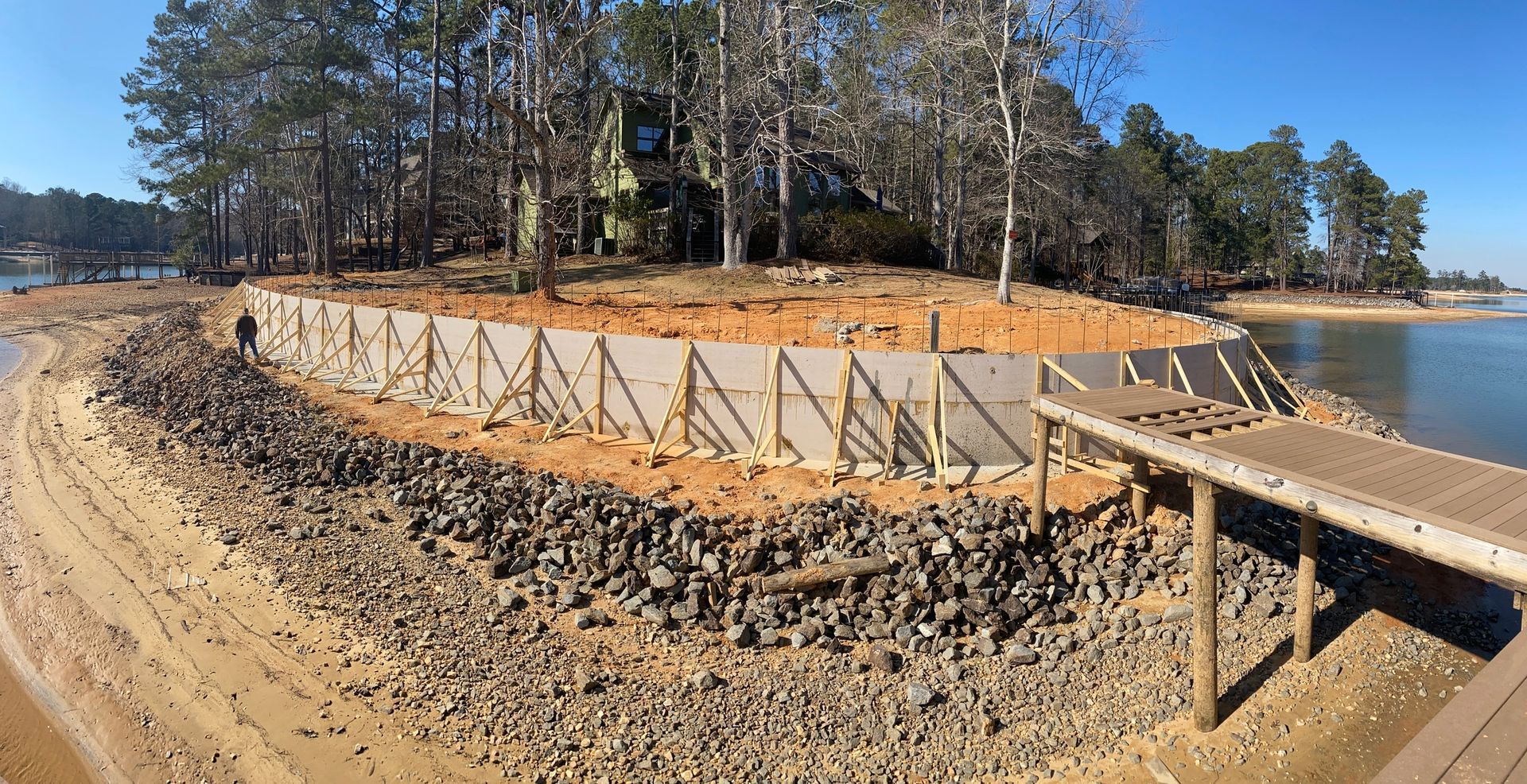
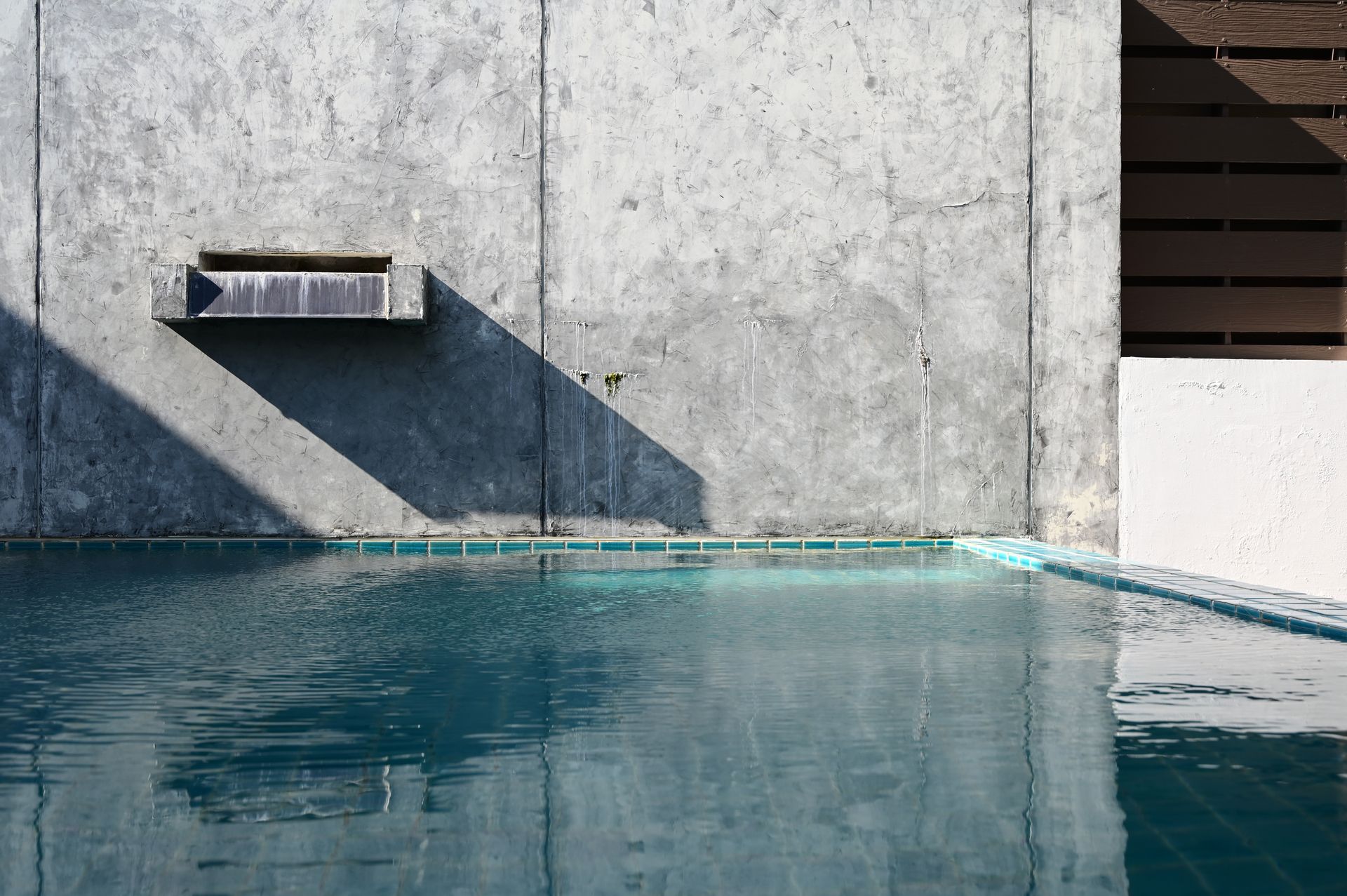
Discover how concrete wall systems improve pools, retaining walls, and specialty builds with strength, moisture resistance, and long-term durability.
By VIV Builder August 3, 2026
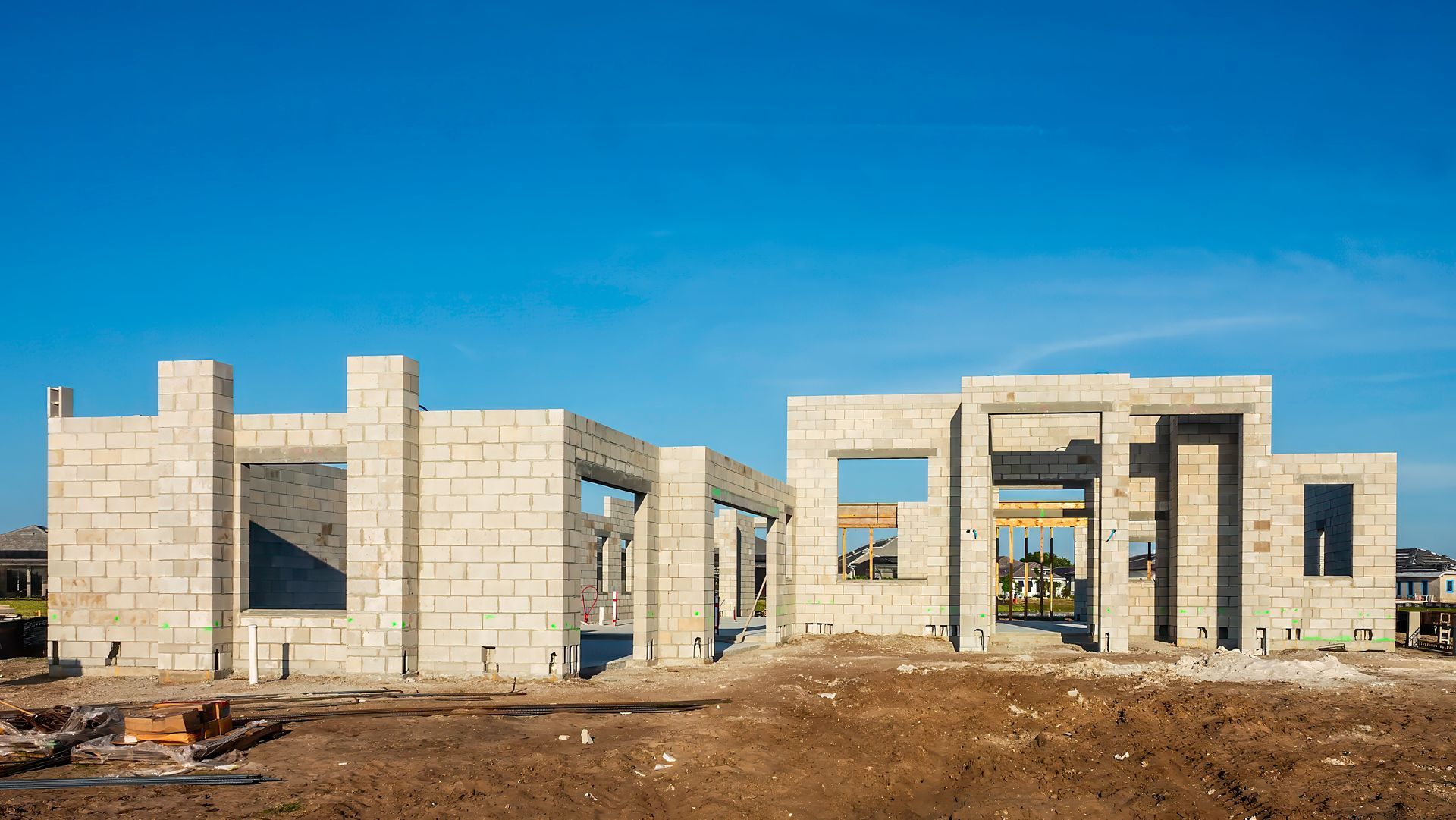
Discover why concrete wall systems are ideal for commercial and industrial buildings, offering durability, fire resistance, and faster construction.
By VIV Builder July 27, 2026
Learn why concrete wall systems are ideal for hurricane-prone areas, offering greater strength, moisture resistance, and storm protection.
By VIV Builder July 20, 2026
Learn how Cemwall panels reduce labor, simplify concrete wall construction, and help builders complete projects faster without sacrificing strength.
By VIV Builder July 20, 2026
Discover how fire-resistant concrete wall systems improve building safety, durability, and long-term protection for homes and businesses.
By VIV Builder July 13, 2026
Compare concrete wall systems to traditional wood framing and learn why builders choose concrete for greater strength and durability.
By VIV Builder July 13, 2026
Learn how FEMA-rated concrete wall systems help protect buildings from hurricanes, tornadoes, and extreme weather with lasting strength.
By VIV Builder July 6, 2026
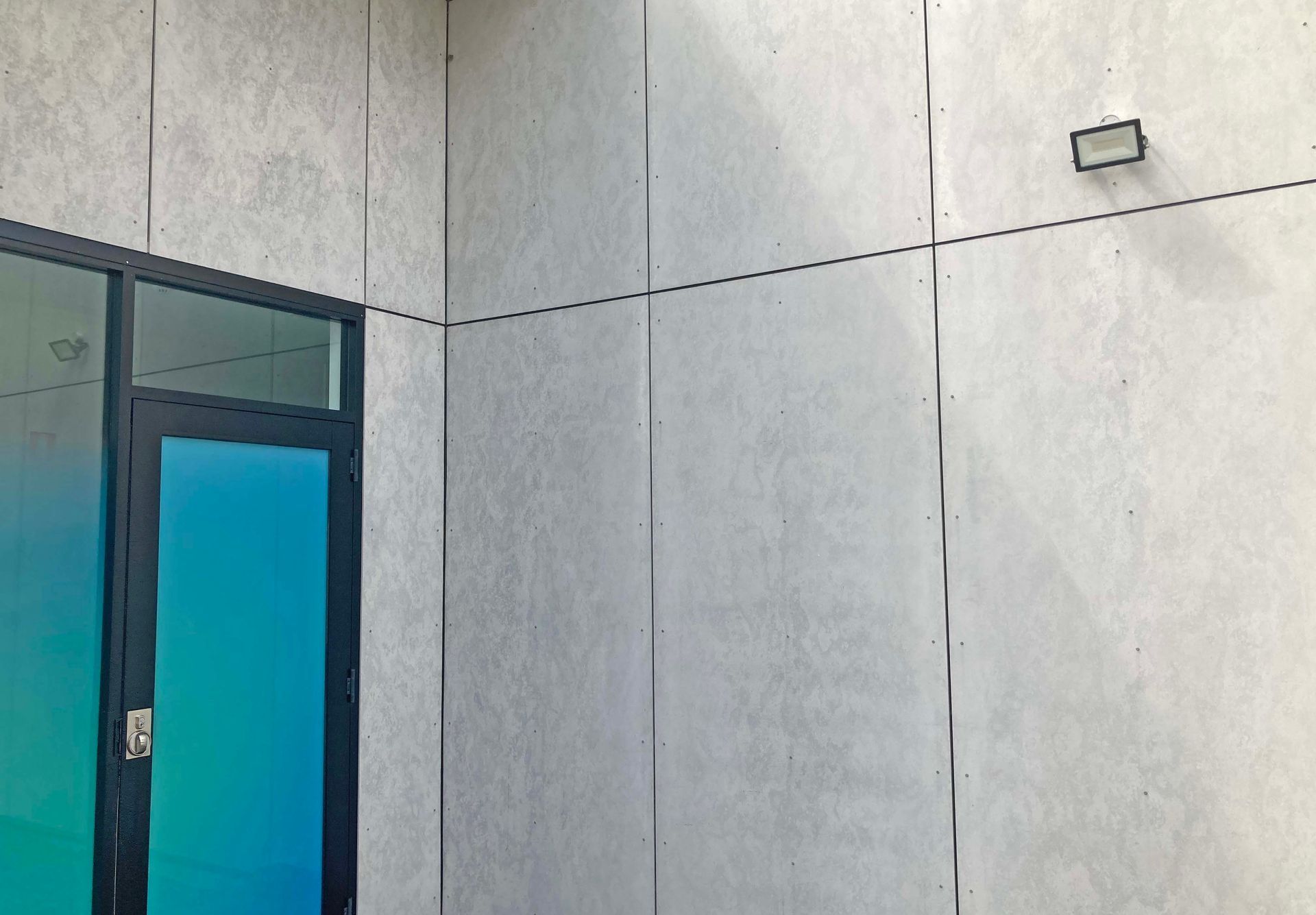
Learn why builders choose fiber cement concrete wall systems for faster construction, greater durability, and long-lasting structural performance.
By VIV Builder July 2, 2026
Discover how leave-in-place concrete wall panels speed construction while delivering durable, reinforced walls for residential and commercial projects.
March 24, 2026
Choosing the right wall system for a commercial or industrial project is one of the most important decisions made during the planning phase. It is not just about selecting a material, it is about choosing a system that will impact construction timelines, long term performance, operating costs, and the overall value of the building. With so many options available, understanding what actually matters in that decision can help you avoid costly mistakes and set your project up for success from the start. One of the first things to consider is how the wall system fits into your overall project goals. Every project has different priorities, whether it is speed to completion, long term durability, energy efficiency, or cost control. The right system should align with those priorities rather than forcing compromises later in the process. Taking the time to define what matters most at the beginning makes it easier to evaluate your options and choose a solution that supports those objectives. Construction timeline is often a major factor in this decision. Wall systems play a critical role in how quickly a building can move from structure to completion. Systems that require multiple steps, trades, and extended installation time can slow down progress and create delays across the entire project. In contrast, systems that are designed for efficiency can help keep everything on track and allow other phases of construction to begin sooner. This has a direct impact on both schedule and cost. Durability is another key consideration that should not be overlooked. Commercial buildings are expected to perform for years while handling environmental stress, daily use, and changing conditions. Wall systems that are prone to wear, moisture issues, or structural limitations can create long term challenges that are expensive to address. Choosing a system that is built for durability helps reduce maintenance needs and supports consistent performance over time. Energy performance is becoming increasingly important in modern construction. The wall system plays a major role in how well a building maintains temperature, controls air flow, and manages energy use. Systems that provide consistent insulation and reduce air leakage contribute to lower operating costs and a more comfortable environment for occupants. This is not just a benefit, it is becoming a standard expectation in many commercial projects. Labor and installation requirements also influence the overall decision. Construction environments are facing ongoing challenges with labor availability, and systems that require complex installation processes can add unnecessary strain to the project. Wall systems that are designed to simplify installation and reduce the number of steps involved help create a more efficient workflow. This allows crews to complete work more effectively and reduces the risk of delays. Consistency and quality control are closely tied to the type of system you choose. Traditional construction methods can vary depending on the crew and conditions on site, which can lead to inconsistencies in the final product. Systems that are engineered for repeatable results help ensure that quality is maintained across the entire project. This reduces the likelihood of rework and supports a smoother construction process. Long term cost should also be evaluated beyond the initial price of materials and installation. While upfront costs are always part of the decision, the total cost of ownership provides a more complete picture. Wall systems that require frequent maintenance or experience performance issues can become more expensive over time. Investing in a system that supports long term reliability often leads to better financial outcomes. Flexibility is another factor that can impact how well a wall system supports your building over time. Commercial and industrial spaces often evolve, and having a structure that can accommodate those changes without major modifications is a significant advantage. A strong and adaptable wall system allows the building to meet future needs while maintaining its integrity. Working with the right partner is also an important part of the process. Choosing a wall system is not just about the product, it is about the expertise and support behind it. A knowledgeable team can help guide your decision, provide insight into how the system will perform, and ensure that installation is handled correctly. This level of support can make a meaningful difference in how the project comes together. Selecting the right wall system is about more than checking a box in the planning phase. It is about making a decision that supports every stage of the project, from construction to long term use. When the system aligns with your goals and is designed to perform, it becomes a foundation for success rather than a potential source of challenges.  CEM Wall Systems is focused on providing solutions that meet the demands of modern commercial construction. By prioritizing efficiency, durability, and long term performance, they help ensure that your project is built with a system that supports both immediate results and lasting value.
More Posts