Affordable Housing That Lasts: Building Stronger Communities with Cemwall
Across the country, affordable housing is one of the most pressing needs. Rising construction costs, labor shortages, and the growing demand for safe and reliable housing have left many communities searching for better solutions. Too often, affordable housing has been built quickly with materials that are inexpensive but not durable, which leads to higher maintenance costs, constant repairs, and structures that simply do not stand the test of time. Cemwall Systems is changing this conversation by offering a building method that combines affordability with strength, safety, and long-term value. Their concrete wall panel systems are designed to help communities create housing that not only meets immediate needs but also lasts for generations.
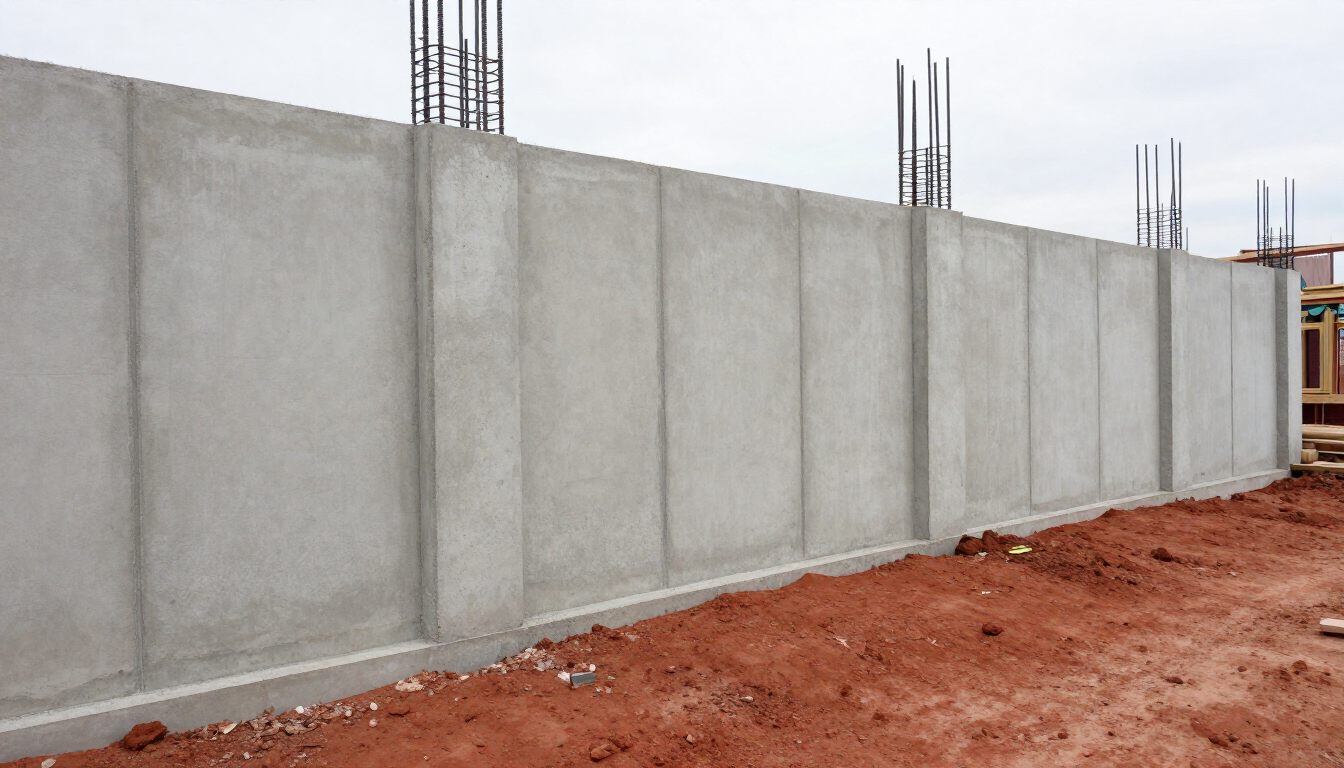
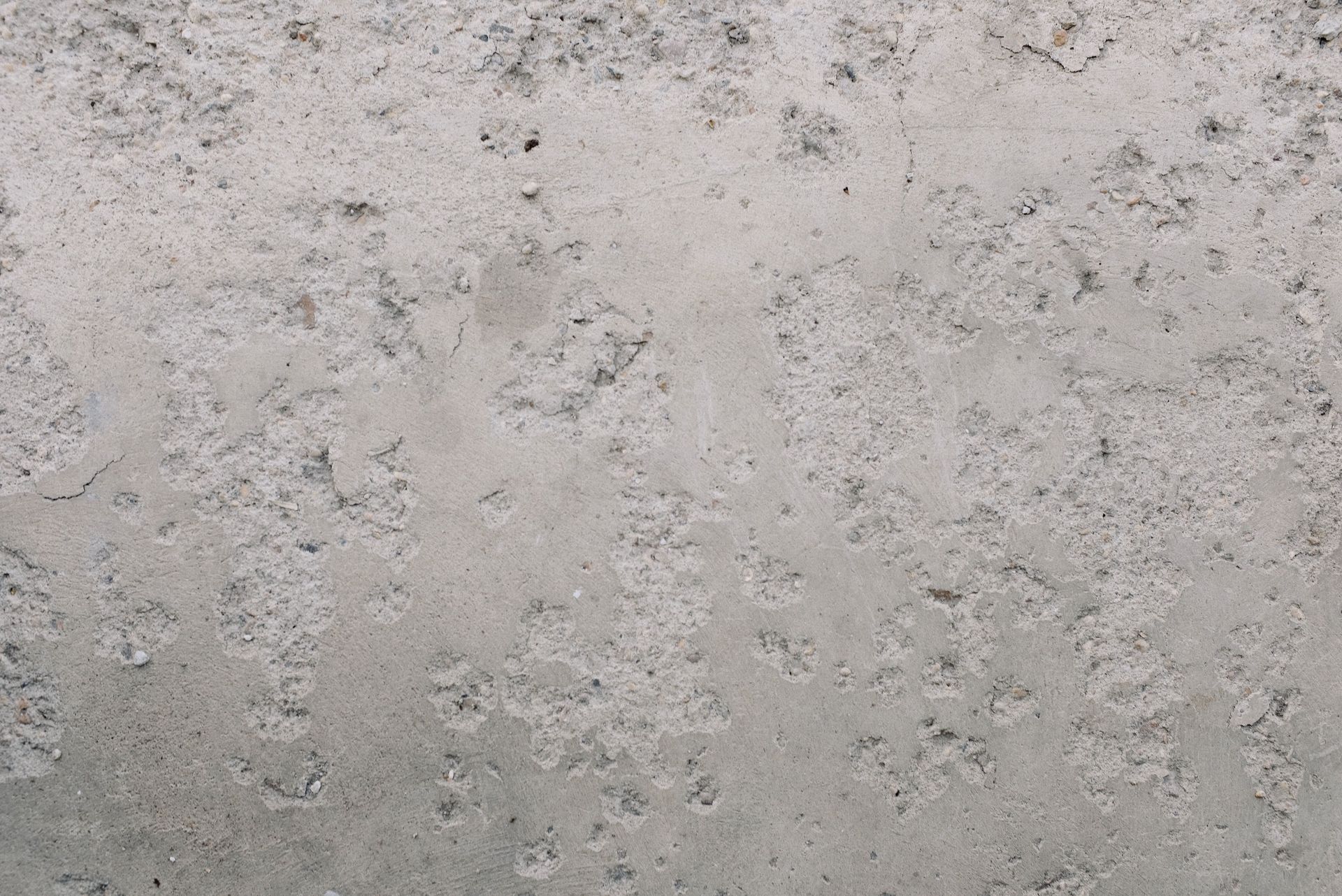
Traditional construction methods come with familiar problems. Wood framing may be cheaper in the short term, but it brings risks like termites, rot, mold, and storm damage. These issues drive up maintenance costs for property managers and reduce the overall quality of life for residents. In many cases, affordable housing developments face higher turnover and greater financial strain because buildings are not designed for long-term durability. Cemwall offers an alternative that addresses these issues directly. By using cement fiber panels with a reinforced concrete core, their system provides a strong, reliable structure that eliminates many of the hidden costs tied to traditional construction.
One of the most significant benefits Cemwall brings to affordable housing is resilience. Families living in lower-cost housing often do so in areas where weather events can be devastating. Hurricanes, tornadoes, and severe storms hit hardest in regions that already struggle with affordable housing shortages. When buildings fail, entire communities are left vulnerable. Cemwall panels are tested to withstand winds up to 250 miles per hour and are impact resistant, meaning homes built with this system offer protection that traditional framing cannot match. This resilience ensures that affordable housing developments remain safe and secure even when the weather is at its worst.
Maintenance costs are another major challenge. A building that seems cost-effective at the beginning can quickly become a burden if it requires constant repairs. Mold from water intrusion, structural issues caused by pests, and deterioration from normal wear all add up over time. Cemwall eliminates many of these headaches by resisting moisture, mold, termites, and fire. For property managers and housing authorities, that means fewer maintenance calls, lower repair budgets, and more reliable housing stock for the community. For residents, it means living in homes that are safer, healthier, and more comfortable.
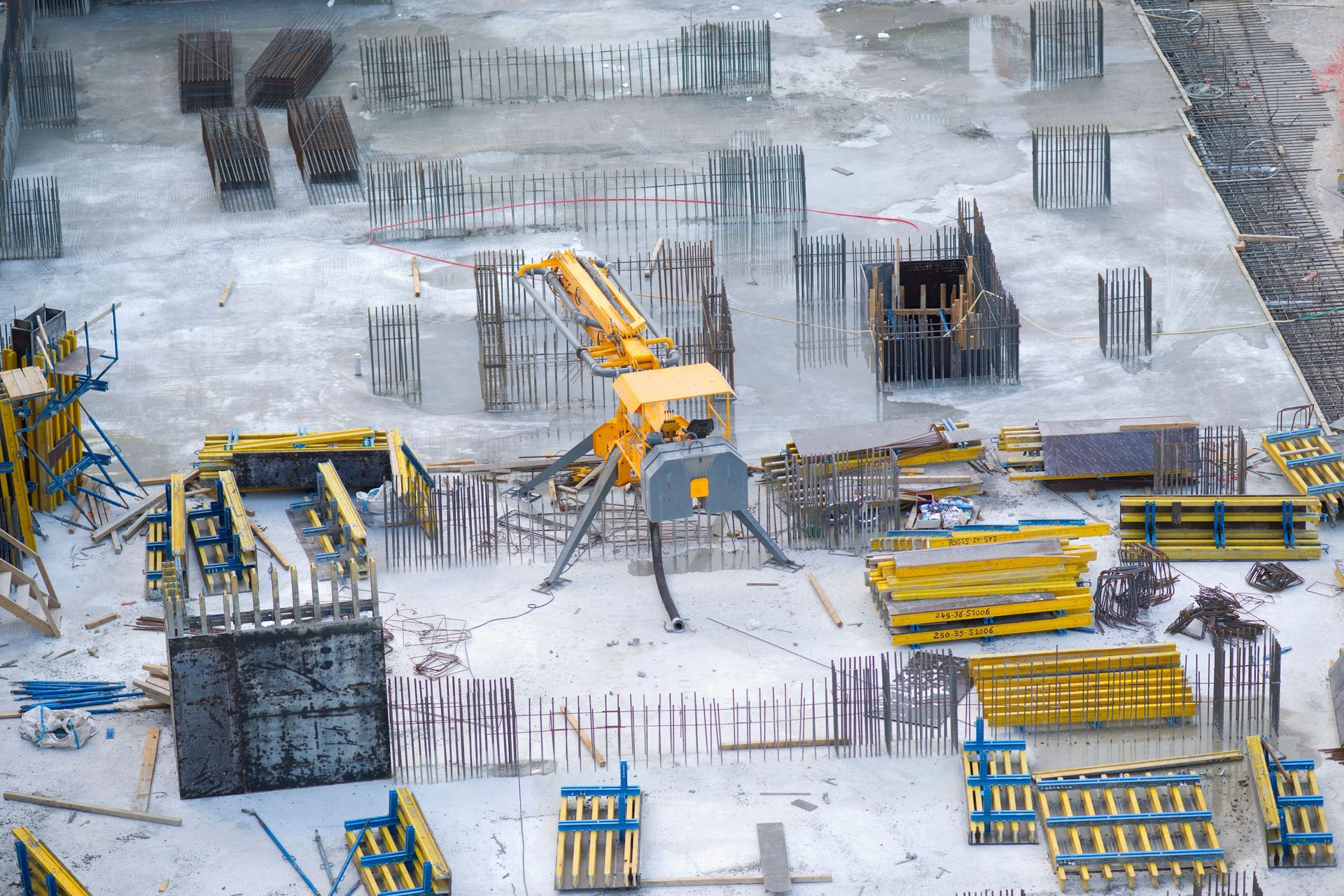
Speed of construction is also a critical factor in affordable housing projects. Communities need solutions that can be delivered quickly, especially in areas with housing shortages. Cemwall’s panel system is designed to make building faster and more efficient. The panels arrive ready to install, eliminating time-consuming steps like cutting, stacking, and stripping formwork. This allows builders to complete projects on tighter timelines, reducing labor costs and helping developments open sooner. In a market where every day of delay adds expenses, speed is not just convenient, it is essential.
Energy efficiency is another area where Cemwall supports affordable housing. Homes built with reinforced concrete walls have greater thermal stability, which means they maintain indoor temperatures more effectively. Residents benefit from lower energy bills, which is especially important for families living on tight budgets. Affordable housing is not just about building units, it is about creating sustainable living conditions that reduce costs for residents over the long term. Cemwall’s system contributes to this by providing walls that help regulate temperature and reduce energy demand.
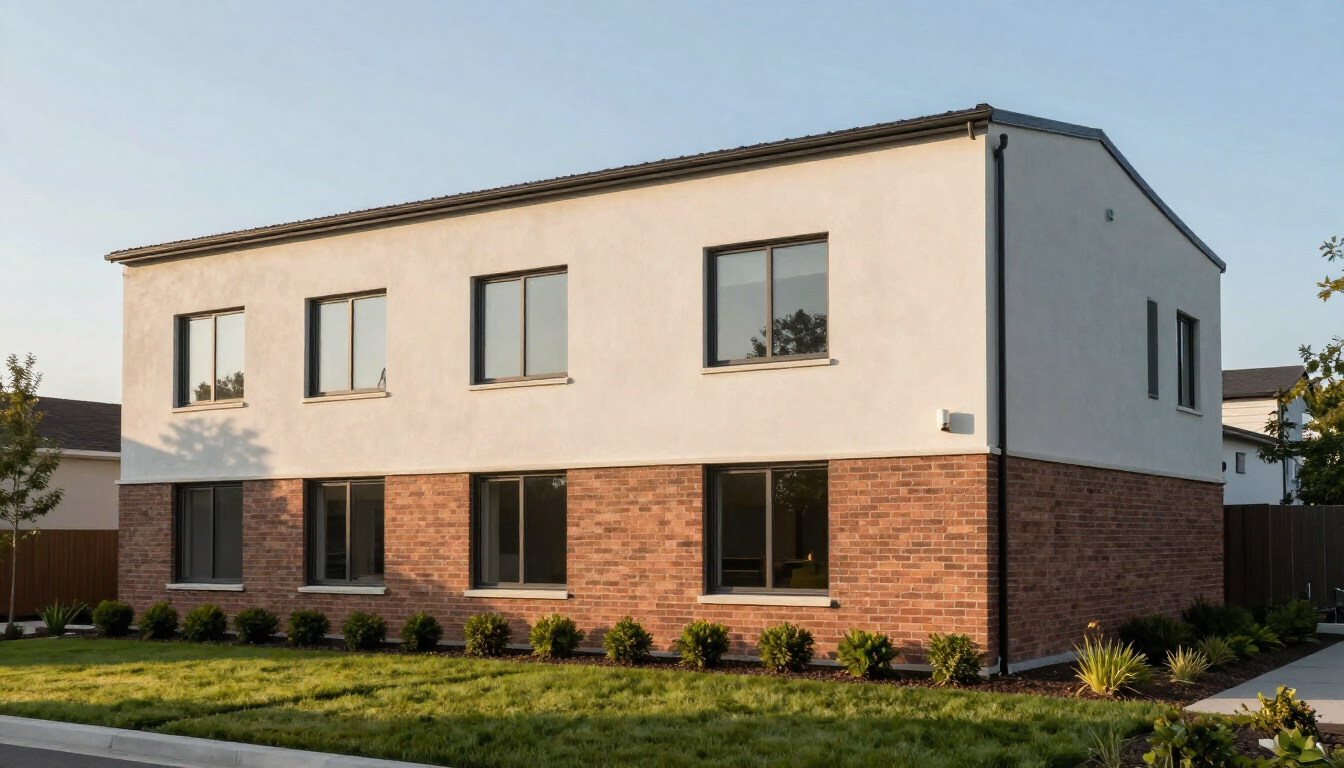
Design flexibility matters as well. Affordable housing does not have to look plain or uninspired. Cemwall panels can be finished with brick, stucco, siding, or stone, giving developers and architects the ability to create communities that are attractive and inviting. When affordable housing looks and feels like a high-quality development, it removes the stigma often associated with these projects and creates neighborhoods people are proud to live in. Cemwall allows developers to balance aesthetics with performance, giving residents homes that look beautiful while still being safe and durable.
Perhaps the most important point is that Cemwall helps affordable housing live up to its name. Affordability should not stop after the initial build. If maintenance, insurance, and energy costs keep rising year after year, the housing is no longer truly affordable. Cemwall ensures that the investment made in building housing continues to provide value for decades. Fewer repairs, better protection, and longer-lasting structures all mean that developments remain affordable in practice, not just on paper.
Communities are under increasing pressure to find housing solutions that make sense today and will still make sense years from now. Cemwall Systems is stepping in with a product that meets those needs head-on. Their wall panel system is engineered to deliver the strength, resilience, and efficiency that affordable housing requires, while still keeping costs manageable for developers and municipalities. This is not about building cheap housing, it is about building strong housing that remains affordable because it resists the problems that drive costs higher over time.
For housing authorities, developers, and community leaders, the choice is clear. Relying on outdated building methods will only continue the cycle of costly repairs, unsafe conditions, and short-lived structures. Choosing Cemwall means breaking that cycle and investing in affordable housing that truly delivers value. Families deserve homes that can withstand storms, keep them safe from fire, and protect them from the hidden damage of mold and pests. Cemwall provides the system that makes all of this possible while keeping projects on budget and on schedule.
If you are a developer or decision-maker looking for real solutions in the affordable housing space, now is the time to explore what Cemwall Systems has to offer. Their team can work with you from planning to construction, ensuring that your project is built stronger, faster, and smarter. Affordable housing does not have to mean cutting corners or sacrificing quality. With Cemwall, it means creating lasting communities that residents can rely on and that developers can be proud to build.
The need for affordable housing is only going to grow, and the methods we use to build it must evolve. Cemwall Systems is leading the way with construction technology that redefines what is possible. Stronger homes, safer communities, and smarter building practices all come together in a system that was designed for today’s challenges and tomorrow’s needs. Reach out to Cemwall Systems to learn how their wall panel system can help you build affordable housing that lasts.