How Cemwall Panels Can Reduce Labor and Speed Up Construction Timelines
Construction delays can quickly affect budgets, schedules, and overall project success. Builders are under constant pressure to complete projects faster while still delivering quality and durability. Labor shortages, weather delays, material handling, and complicated installation steps can all slow down a job. That is why Cemwall panels are a smart solution for contractors looking to reduce labor and speed up concrete wall construction.
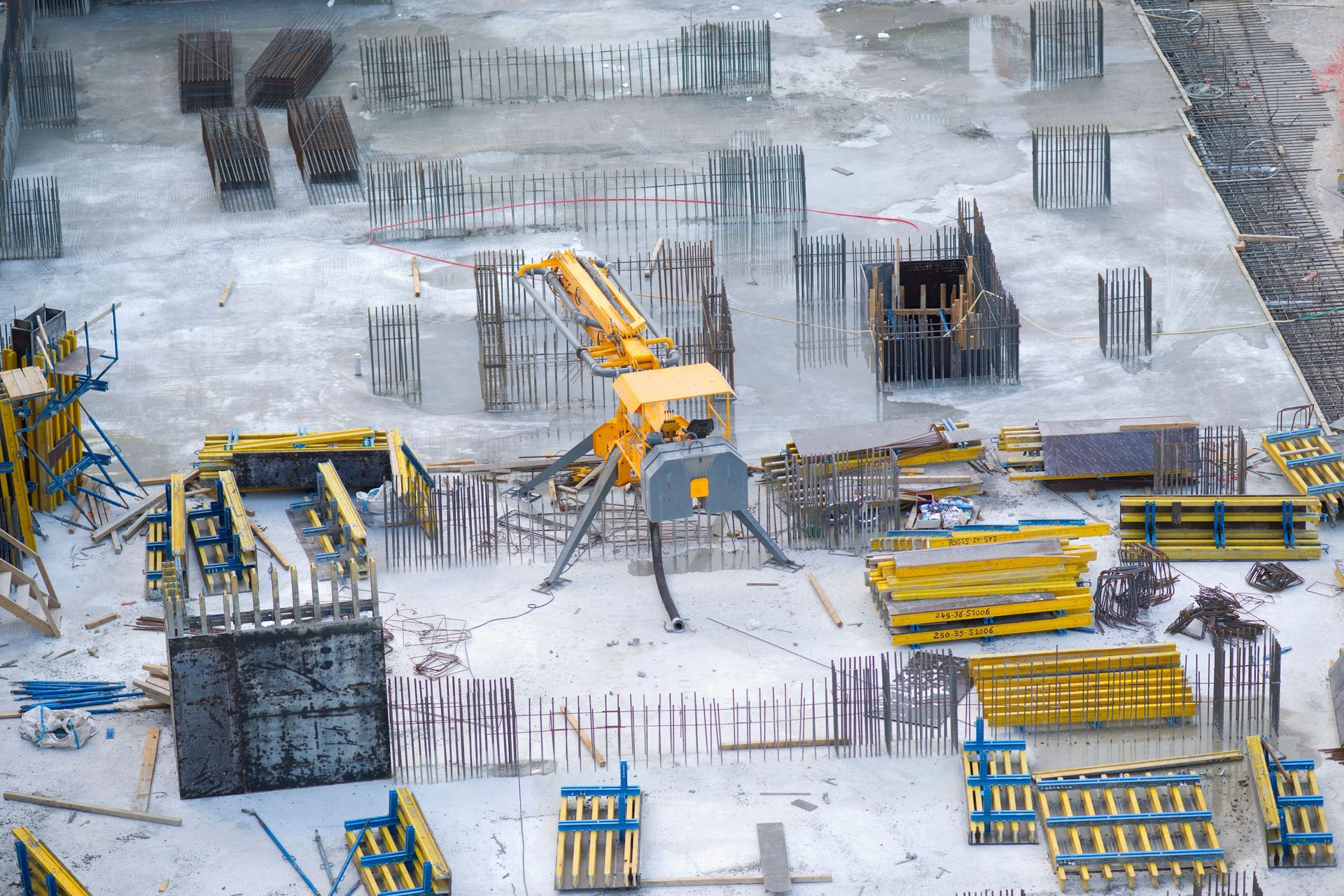
Traditional concrete wall construction often requires multiple steps. Crews need to set up temporary forms, brace them, pour the concrete, wait for curing, remove the forms, and then move on to the next phase. Each step takes time, equipment, and coordination. When one part of the process is delayed, the entire project can fall behind.
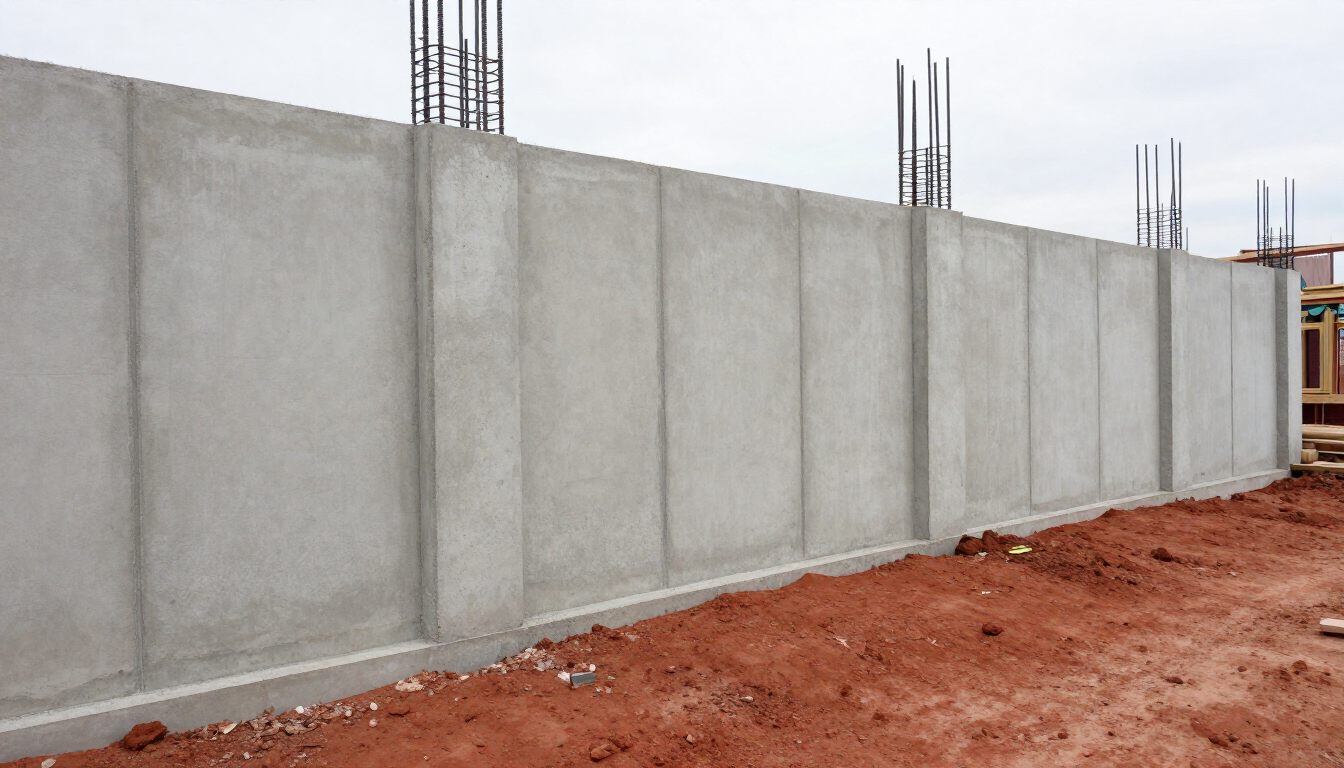
Cemwall panels help simplify this process because they are designed to stay in place. Instead of using temporary forms that must be removed after the pour, the panels become part of the finished wall system. This can reduce jobsite steps and help contractors move through the wall construction phase more efficiently.
Labor efficiency is one of the biggest advantages. Skilled labor is not always easy to find, and construction crews need systems that allow them to work smarter. By reducing the need for traditional forming and stripping, Cemwall panels can help lower labor demands while still producing a strong concrete wall. This can make a major difference on projects where time and manpower are limited.
Speed also matters because every day on a jobsite has a cost. Equipment, crews, inspections, scheduling, and subcontractors all depend on progress. A faster wall system can help keep the project moving and reduce the risk of delays. For builders working on tight timelines, this can be a major advantage.
Cemwall panels are also useful because they combine construction efficiency with long-term durability. Faster should not mean weaker. The goal is to build efficiently while still creating a wall system that can stand up to severe weather, fire, moisture, impact, and heavy use. Cemwall helps builders achieve both by combining permanent panels with the strength of concrete.
For commercial and industrial projects, a faster wall system can help owners open buildings sooner and reduce downtime. For residential builders, it can support faster project completion and a more dependable schedule. For specialty applications such as safe rooms, retaining walls, pools, and storm-resistant structures, the ability to build strong walls efficiently is a clear benefit.
Another advantage is jobsite organization. Traditional forming systems require storage, handling, setup, removal, and transportation. Cemwall panels reduce the need for temporary formwork, which can help create a cleaner and more efficient jobsite. This can also make coordination easier for contractors managing multiple crews.
Weather can also affect construction timelines. While no building system eliminates every weather-related challenge, a more efficient installation process can help reduce exposure to delays. The faster crews can complete the wall system, the sooner the project can move into the next phase.
Cemwall panels are designed for builders who want a better way to construct concrete walls. They help reduce labor, simplify installation, improve project speed, and still deliver the strength and durability that concrete is known for.
In today’s construction market, efficiency is not optional. Builders need systems that help them stay competitive, protect margins, and deliver stronger buildings. Cemwall provides a practical solution for faster concrete wall construction without compromising long-term performance.