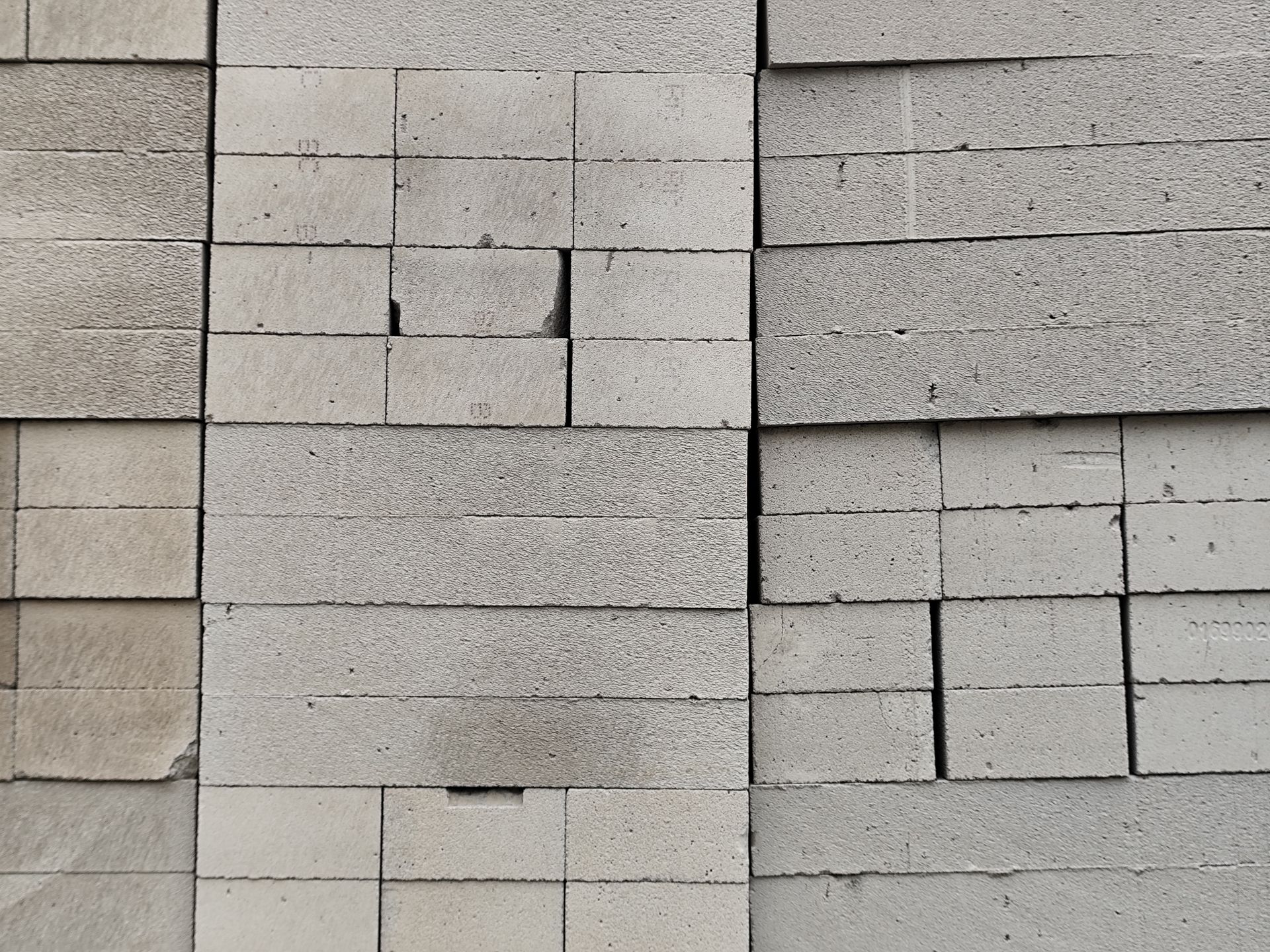
The Role of Concrete Wall Systems in Fire-Resistant Construction

Fire resistance is one of the most important factors in building safety. Whether the project is a home, commercial building, industrial facility, multifamily property, or specialty structure, the materials used in construction can make a major difference in how well the building performs during a fire. Concrete wall systems are one of the strongest options for fire-resistant construction because they provide durability, strength, and protection that many traditional materials cannot match.

Traditional wood framing is common, but wood is a combustible material. Once fire reaches wood framing, it can spread through the structure and cause major damage. This can put occupants, firefighters, and surrounding properties at greater risk. In areas where fire safety is a major concern, builders and owners need wall systems that are designed to reduce risk and improve protection.

Concrete does not burn. That simple fact makes concrete wall systems a valuable choice for fire-resistant construction. A concrete wall system can help slow the spread of fire, protect structural integrity, and create a stronger barrier between spaces. This is especially important in buildings where safety, code compliance, and long-term durability are priorities.

For commercial buildings, fire-resistant wall systems can provide added value by helping protect operations, inventory, equipment, and employees. A fire can create serious financial losses, even if the building is not completely destroyed. Stronger wall systems can help reduce damage and improve the building’s ability to withstand fire-related stress.

Industrial buildings can also benefit from concrete wall systems. Many industrial spaces include equipment, materials, and processes that require careful attention to fire safety. Concrete walls provide a durable and dependable option for facilities where performance matters. Their strength and fire-resistant qualities make them well-suited for demanding environments.

Residential construction is another area where fire resistance matters. Homeowners want to know that their homes are built with materials that can help protect their families and property. In wildfire-prone regions, wall system choice becomes even more important. A concrete wall system can help create a stronger exterior envelope that is better prepared for fire exposure than traditional wood-framed construction.

Concrete wall systems also offer benefits beyond fire resistance. They are durable, strong, and resistant to many common causes of building damage. Moisture, pests, impact, and severe weather can all affect traditional materials. Concrete provides a more resilient solution that helps improve the overall performance of the building.

Another important factor is long-term maintenance. Fire-resistant construction is not only about what happens during an emergency. It is also about creating a building that remains strong and dependable over time. Concrete wall systems can help reduce repair needs and support a longer building lifespan because they are built to handle tough conditions.

Cemwall’s concrete wall system gives builders a practical way to incorporate fire-resistant construction into a project without sacrificing efficiency. The leave-in-place panel design helps simplify installation while still delivering the strength of concrete. This makes it a smart option for projects that need both performance and productivity.

As building standards continue to evolve, fire resistance will remain a major priority for owners, architects, contractors, and developers. Choosing stronger wall systems is one of the most effective ways to improve building safety and long-term protection.

Concrete wall systems play an important role in creating safer, stronger, and more resilient buildings. For projects where fire resistance matters, Cemwall offers a durable solution designed to help protect the structure and the people who rely on it.
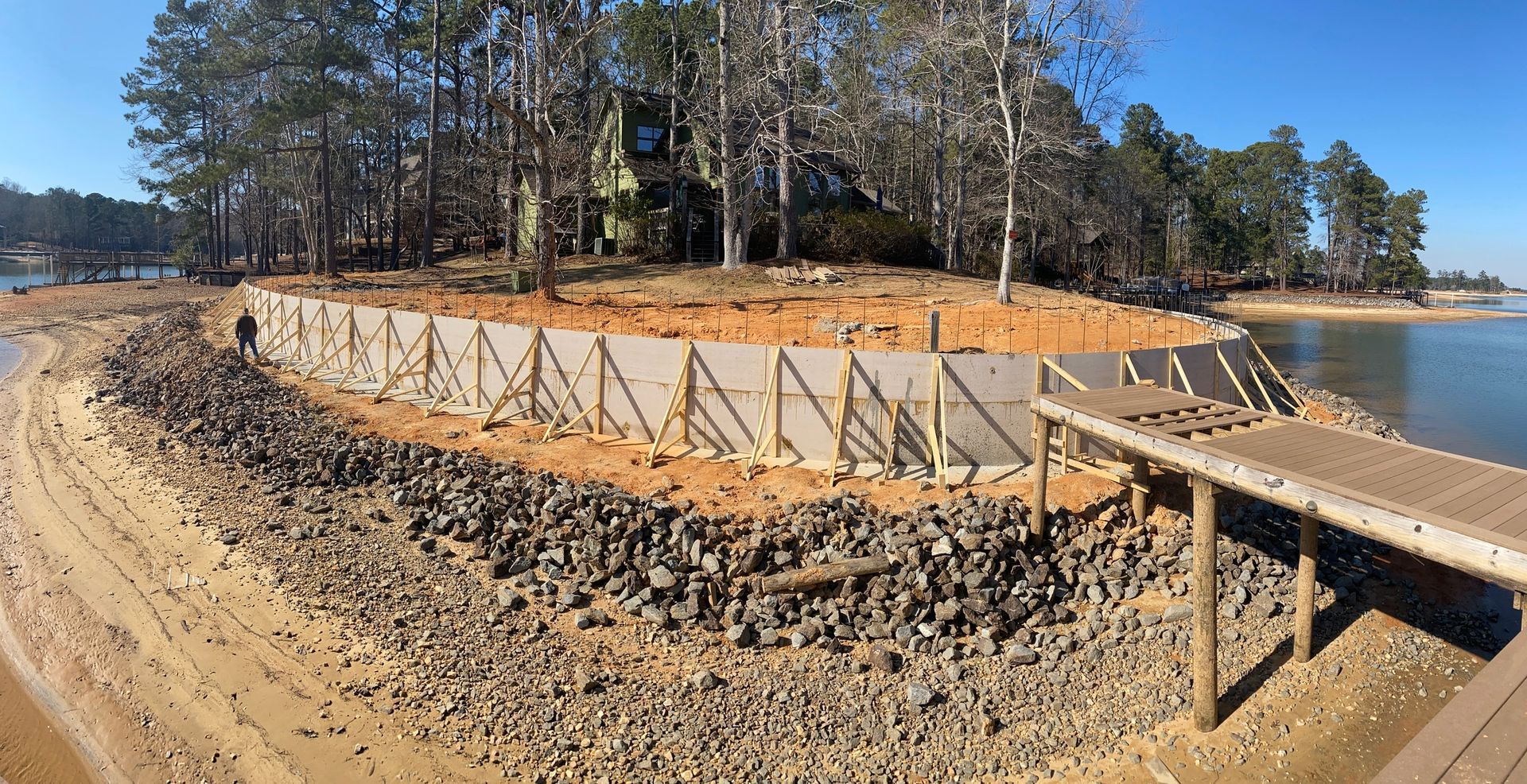
By VIV Builder August 3, 2026
Discover why concrete wall systems are ideal for commercial and industrial buildings, offering durability, fire resistance, and faster construction.
By VIV Builder July 27, 2026
Learn why concrete wall systems are ideal for hurricane-prone areas, offering greater strength, moisture resistance, and storm protection.
By VIV Builder July 20, 2026
Learn how Cemwall panels reduce labor, simplify concrete wall construction, and help builders complete projects faster without sacrificing strength.
By VIV Builder July 13, 2026
Compare concrete wall systems to traditional wood framing and learn why builders choose concrete for greater strength and durability.
By VIV Builder July 13, 2026
Learn how FEMA-rated concrete wall systems help protect buildings from hurricanes, tornadoes, and extreme weather with lasting strength.
By VIV Builder July 6, 2026
Learn why builders choose fiber cement concrete wall systems for faster construction, greater durability, and long-lasting structural performance.
By VIV Builder July 2, 2026
Discover how leave-in-place concrete wall panels speed construction while delivering durable, reinforced walls for residential and commercial projects.
March 24, 2026
Choosing the right wall system for a commercial or industrial project is one of the most important decisions made during the planning phase. It is not just about selecting a material, it is about choosing a system that will impact construction timelines, long term performance, operating costs, and the overall value of the building. With so many options available, understanding what actually matters in that decision can help you avoid costly mistakes and set your project up for success from the start. One of the first things to consider is how the wall system fits into your overall project goals. Every project has different priorities, whether it is speed to completion, long term durability, energy efficiency, or cost control. The right system should align with those priorities rather than forcing compromises later in the process. Taking the time to define what matters most at the beginning makes it easier to evaluate your options and choose a solution that supports those objectives. Construction timeline is often a major factor in this decision. Wall systems play a critical role in how quickly a building can move from structure to completion. Systems that require multiple steps, trades, and extended installation time can slow down progress and create delays across the entire project. In contrast, systems that are designed for efficiency can help keep everything on track and allow other phases of construction to begin sooner. This has a direct impact on both schedule and cost. Durability is another key consideration that should not be overlooked. Commercial buildings are expected to perform for years while handling environmental stress, daily use, and changing conditions. Wall systems that are prone to wear, moisture issues, or structural limitations can create long term challenges that are expensive to address. Choosing a system that is built for durability helps reduce maintenance needs and supports consistent performance over time. Energy performance is becoming increasingly important in modern construction. The wall system plays a major role in how well a building maintains temperature, controls air flow, and manages energy use. Systems that provide consistent insulation and reduce air leakage contribute to lower operating costs and a more comfortable environment for occupants. This is not just a benefit, it is becoming a standard expectation in many commercial projects. Labor and installation requirements also influence the overall decision. Construction environments are facing ongoing challenges with labor availability, and systems that require complex installation processes can add unnecessary strain to the project. Wall systems that are designed to simplify installation and reduce the number of steps involved help create a more efficient workflow. This allows crews to complete work more effectively and reduces the risk of delays. Consistency and quality control are closely tied to the type of system you choose. Traditional construction methods can vary depending on the crew and conditions on site, which can lead to inconsistencies in the final product. Systems that are engineered for repeatable results help ensure that quality is maintained across the entire project. This reduces the likelihood of rework and supports a smoother construction process. Long term cost should also be evaluated beyond the initial price of materials and installation. While upfront costs are always part of the decision, the total cost of ownership provides a more complete picture. Wall systems that require frequent maintenance or experience performance issues can become more expensive over time. Investing in a system that supports long term reliability often leads to better financial outcomes. Flexibility is another factor that can impact how well a wall system supports your building over time. Commercial and industrial spaces often evolve, and having a structure that can accommodate those changes without major modifications is a significant advantage. A strong and adaptable wall system allows the building to meet future needs while maintaining its integrity. Working with the right partner is also an important part of the process. Choosing a wall system is not just about the product, it is about the expertise and support behind it. A knowledgeable team can help guide your decision, provide insight into how the system will perform, and ensure that installation is handled correctly. This level of support can make a meaningful difference in how the project comes together. Selecting the right wall system is about more than checking a box in the planning phase. It is about making a decision that supports every stage of the project, from construction to long term use. When the system aligns with your goals and is designed to perform, it becomes a foundation for success rather than a potential source of challenges.  CEM Wall Systems is focused on providing solutions that meet the demands of modern commercial construction. By prioritizing efficiency, durability, and long term performance, they help ensure that your project is built with a system that supports both immediate results and lasting value.
March 24, 2026
Durability has always been an important factor in construction, but it is becoming even more critical as expectations for buildings continue to rise. Commercial and industrial structures are expected to perform for decades while withstanding environmental stress, evolving regulations, and changing usage demands. In this environment, durability is not just a benefit, it is a requirement for long term success. One of the main reasons durability matters more today is the increasing cost of repairs and maintenance. Buildings that experience issues with structural components, moisture intrusion, or material degradation can quickly become expensive to maintain. These costs add up over time and can significantly impact the overall value of the property. Durable construction helps reduce these risks by creating a structure that performs consistently over the long term. Environmental factors also play a larger role in modern construction. Buildings are exposed to a wide range of conditions, including extreme weather, temperature fluctuations, and moisture. Materials that are not designed to handle these conditions can deteriorate over time, leading to performance issues and potential safety concerns. Concrete wall systems are built to withstand these challenges, providing a level of resilience that supports long term durability. Another consideration is how durability impacts building performance. Structural integrity, energy efficiency, and overall usability are all connected to the condition of the building over time. When wall systems maintain their strength and stability, they support consistent performance across all areas of the building. This leads to fewer disruptions and a more reliable environment for occupants. Code requirements are also evolving, placing greater emphasis on long term performance and safety. Buildings that are constructed with minimal compliance in mind may face challenges as regulations change. Durable construction helps ensure that buildings remain compliant and adaptable, reducing the need for costly upgrades or modifications in the future. From an investment perspective, durability is closely tied to asset value. Buildings that require frequent repairs or experience performance issues are less attractive to buyers and tenants. In contrast, structures that demonstrate long term reliability are more likely to retain their value and provide stable returns. This makes durability a key consideration for developers and property owners. Durability also supports operational efficiency. Buildings that maintain their structural integrity and energy performance require fewer resources to operate. This leads to more predictable costs and a more stable financial outlook over time. For commercial and industrial projects, this level of predictability is essential. Another important factor is risk reduction. Construction projects involve a wide range of variables, and minimizing risk is a priority at every stage. Durable materials and systems reduce the likelihood of issues that could lead to delays, repairs, or liability concerns. This creates a more secure foundation for both the construction process and the long term performance of the building. The focus on durability is not just about building stronger structures, it is about building smarter ones. It is about understanding how materials, design, and installation come together to create a system that performs consistently over time. This approach supports better outcomes for developers, contractors, and building owners alike.  As the demands on commercial construction continue to grow, durability will remain a central factor in how buildings are designed and built. Choosing systems that prioritize long term performance is one of the most effective ways to ensure that a project meets expectations not just at completion, but for years to come.
March 24, 2026
In commercial and industrial construction, time is one of the most valuable resources on any project. Delays can impact multiple trades, increase costs, and create challenges that extend far beyond the initial schedule. One of the most effective ways to improve both timeline and budget outcomes is by focusing on how structural components, particularly wall systems, are installed. Faster and more efficient wall system installation has a direct impact on how smoothly a project moves from start to finish. Wall systems are often on the critical path of a construction project. This means that other trades cannot begin their work until the walls are in place. If wall installation is delayed, it creates a ripple effect that slows down the entire project. Faster installation allows other phases of construction to begin sooner, keeping the project moving forward without unnecessary interruptions. The impact on scheduling goes beyond just the initial installation. When wall systems are completed efficiently, it becomes easier to coordinate inspections, approvals, and follow up work. This reduces downtime between phases and helps maintain momentum throughout the project. Consistent progress is one of the most important factors in keeping a build on schedule. Budget is closely tied to how efficiently a project is executed. Delays often lead to increased labor costs, extended equipment usage, and additional expenses that were not part of the original plan. By reducing installation time, developers and contractors can limit these additional costs and maintain better control over the budget. Predictability becomes a key advantage, allowing for more accurate financial planning. Labor efficiency is another area where faster wall system installation makes a difference. Traditional construction methods often require multiple crews working in sequence, which can create bottlenecks and inefficiencies. Streamlined systems reduce the number of steps involved, allowing smaller teams to complete work more effectively. This not only reduces labor costs but also simplifies coordination on site. Material handling and logistics also improve with faster installation methods. When systems are designed to integrate multiple functions into a single process, there are fewer materials to manage and fewer opportunities for delays caused by missing or misaligned components. This level of organization helps keep the project running smoothly and reduces the likelihood of unexpected issues. Quality control is often improved as well. Faster does not mean cutting corners, it means using systems that are designed to deliver consistent results. When installation processes are simplified and standardized, it becomes easier to maintain quality across the entire project. This reduces the risk of rework, which is one of the most common sources of delays and added costs. Another important factor is how faster installation supports better coordination between trades. When wall systems are completed on time, other teams can plan their work more effectively. This reduces conflicts on site and helps maintain a steady workflow. Clear sequencing and reliable timelines create a more efficient overall construction process. From a developer’s perspective, completing a project sooner can also have financial benefits beyond construction costs. Faster completion means the building can be occupied or put into use earlier, generating revenue sooner and improving overall return on investment. This makes efficient wall system installation a key factor in both construction and long term financial performance.  Choosing the right wall system is not just about structure, it is about how that structure supports the entire project. Faster installation creates a foundation for efficiency, predictability, and better outcomes across every phase of construction.
More Posts