Building in Hurricane-Prone Areas: Why Wall System Choice Matters
Building in a hurricane-prone area requires more than standard construction planning. High winds, heavy rain, flying debris, storm surge, and long-term moisture exposure can all put major stress on a structure. For homeowners, builders, developers, and commercial property owners, one of the most important decisions is the wall system used to protect the building.
The walls of a structure do more than separate indoor and outdoor space. They help define the strength, safety, and long-term performance of the building. In hurricane-prone regions, weak wall systems can lead to costly damage, safety concerns, and major repairs after severe weather. That is why stronger construction methods are becoming more important in coastal and high-wind areas.
Traditional wood-framed construction is common, but it has limitations in extreme weather. High winds can place pressure on the structure, while flying debris can damage exterior walls and create openings that allow wind and water to enter. Once the building envelope is compromised, damage can spread quickly. Moisture intrusion can also lead to mold, rot, and long-term deterioration.
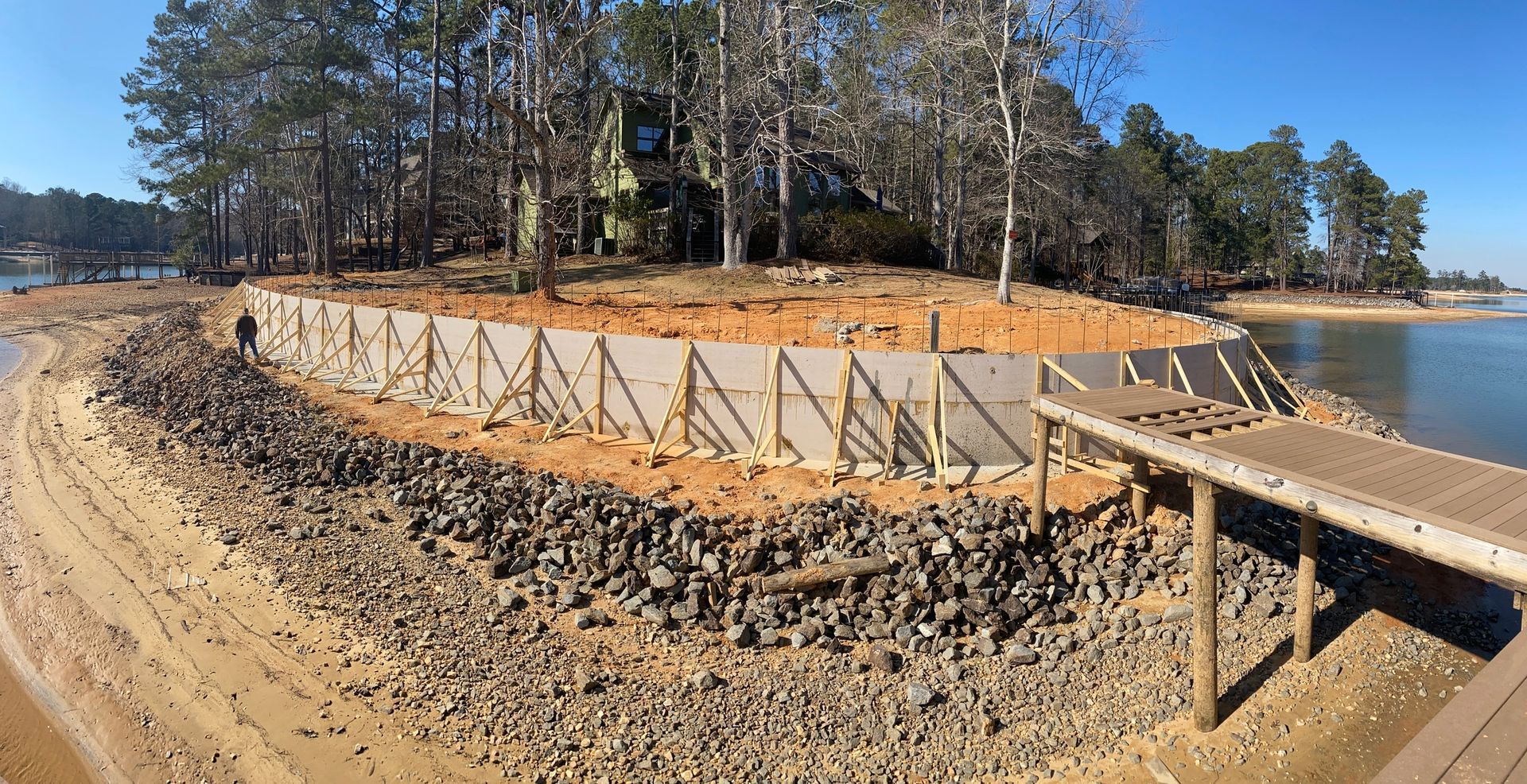
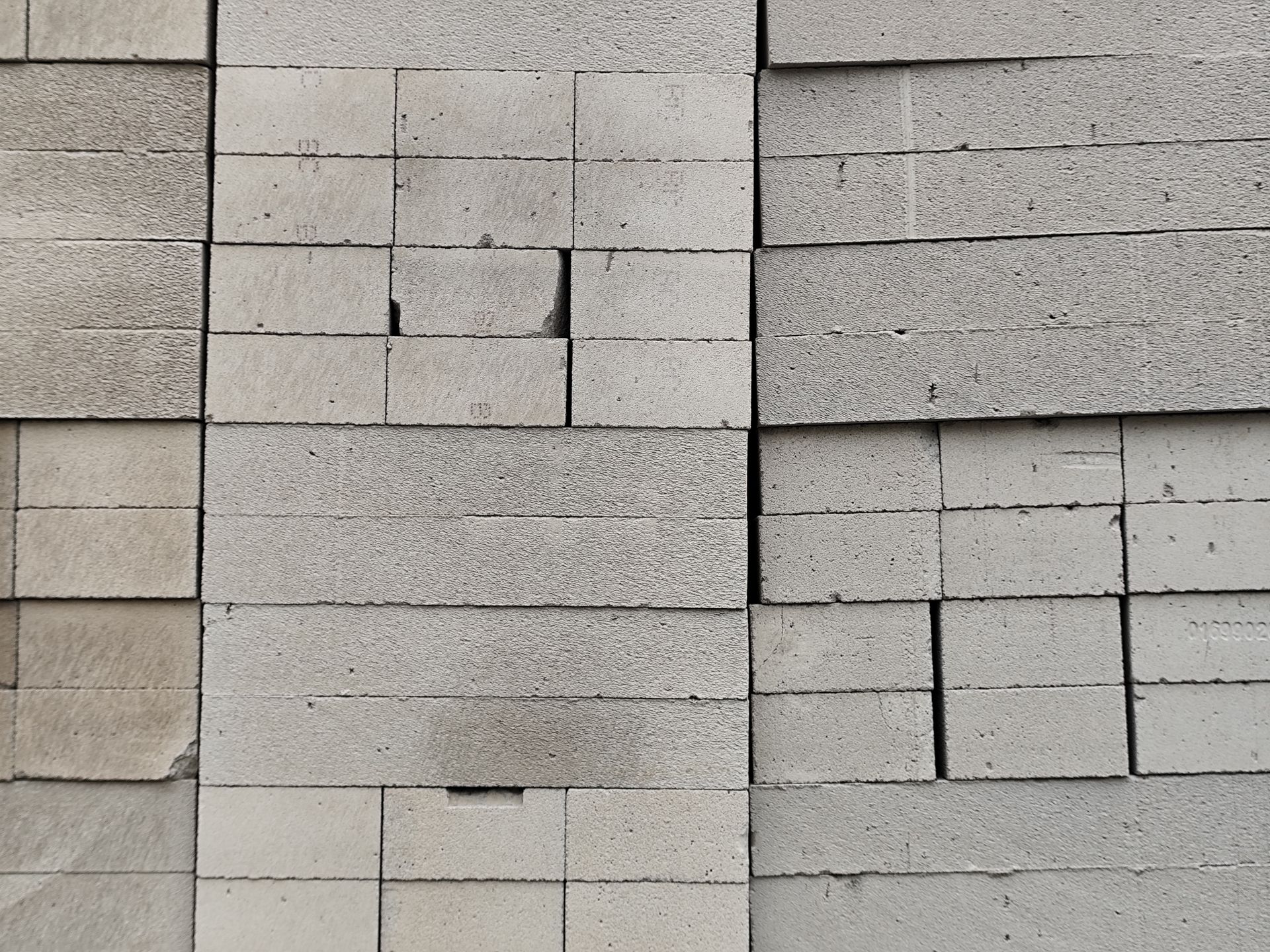
Concrete wall systems offer a stronger solution for hurricane-resistant construction. Concrete provides mass, strength, and impact resistance that many traditional wall systems cannot match. When used as part of a modern panelized system, concrete walls can help create a more durable building envelope designed to stand up to demanding weather conditions.
One of the biggest advantages of concrete wall systems in hurricane-prone areas is wind resistance. Severe storms create powerful forces against walls, roofs, doors, and windows. A stronger wall system helps the building maintain its integrity under pressure. While no building material can prevent every type of storm damage, choosing stronger walls from the beginning can greatly improve the structure’s resilience.
Flying debris is another major concern during hurricanes. Objects can become projectiles in high winds and strike buildings with significant force. Traditional exterior materials may crack, puncture, or fail under impact. Concrete wall systems provide a more durable barrier, helping reduce the risk of serious wall damage during a storm.
Moisture resistance is also critical. Hurricane-prone areas often deal with heavy rain, humidity, flooding, and salt air. These conditions can be hard on traditional building materials. Wood framing can absorb moisture, swell, rot, and attract pests. Concrete wall systems are better suited for harsh environments where moisture exposure is a constant concern.
For property owners, hurricane-resistant construction is about peace of mind. A stronger building can help protect families, tenants, employees, equipment, inventory, and long-term property value. It can also reduce the likelihood of repeated repairs after storms. In regions where severe weather is part of life, stronger walls are not a luxury. They are a smart investment.
For builders and developers, using a concrete wall system can also create a competitive advantage. Buyers and owners are paying more attention to durability, safety, and resilience. Offering a stronger wall system can help position a project as a better long-term choice, especially in coastal markets and storm-prone communities.
Cemwall gives builders a practical way to create stronger structures in hurricane-prone areas. Its leave-in-place concrete wall panel system combines installation efficiency with the strength of concrete, helping contractors build faster while still delivering the durability owners need.
When building in a hurricane-prone area, every material choice matters. The wall system is one of the most important. By choosing a concrete wall system, builders and property owners can create structures that are better prepared for severe weather, long-term moisture exposure, and the demands of coastal construction.