Why Builders Are Switching to Fiber Cement Concrete Wall Systems
Builders are constantly looking for ways to complete projects faster while still delivering strength, quality, and long-term value. Traditional construction methods can work well, but they often come with challenges such as labor shortages, material delays, weather interruptions, and rising costs. That is why more builders are exploring fiber cement concrete wall systems as a better way to construct durable walls with fewer jobsite complications.
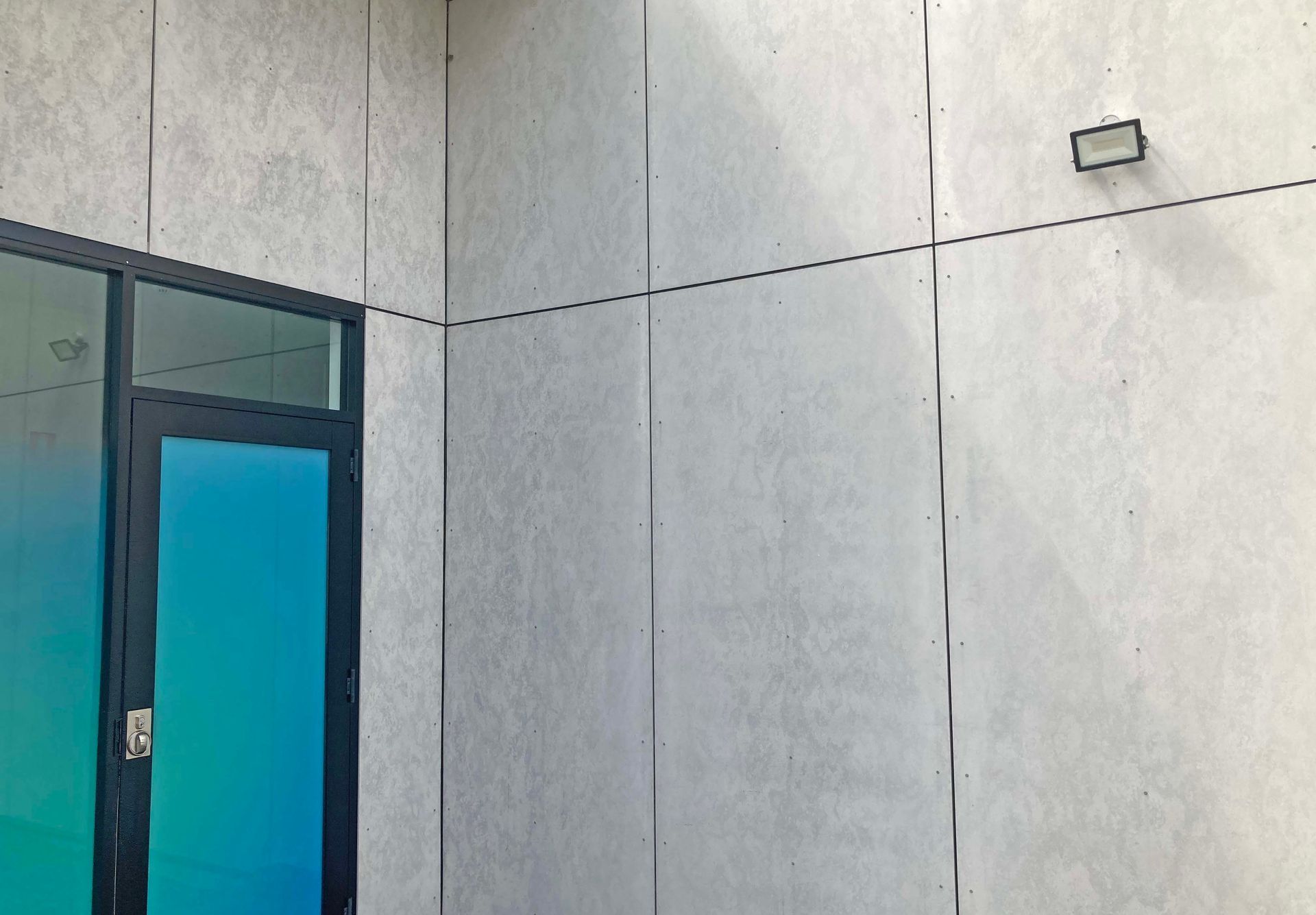
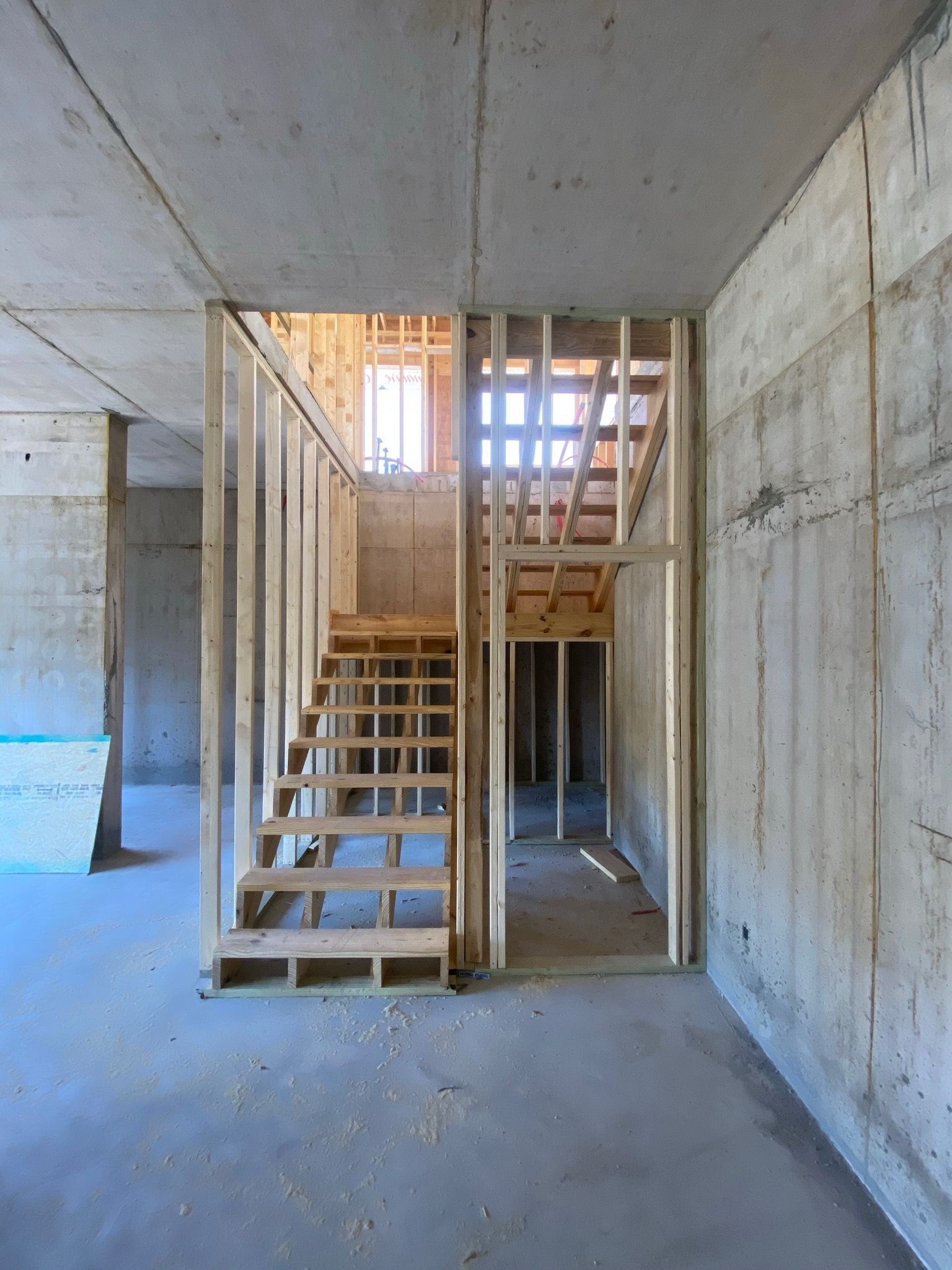
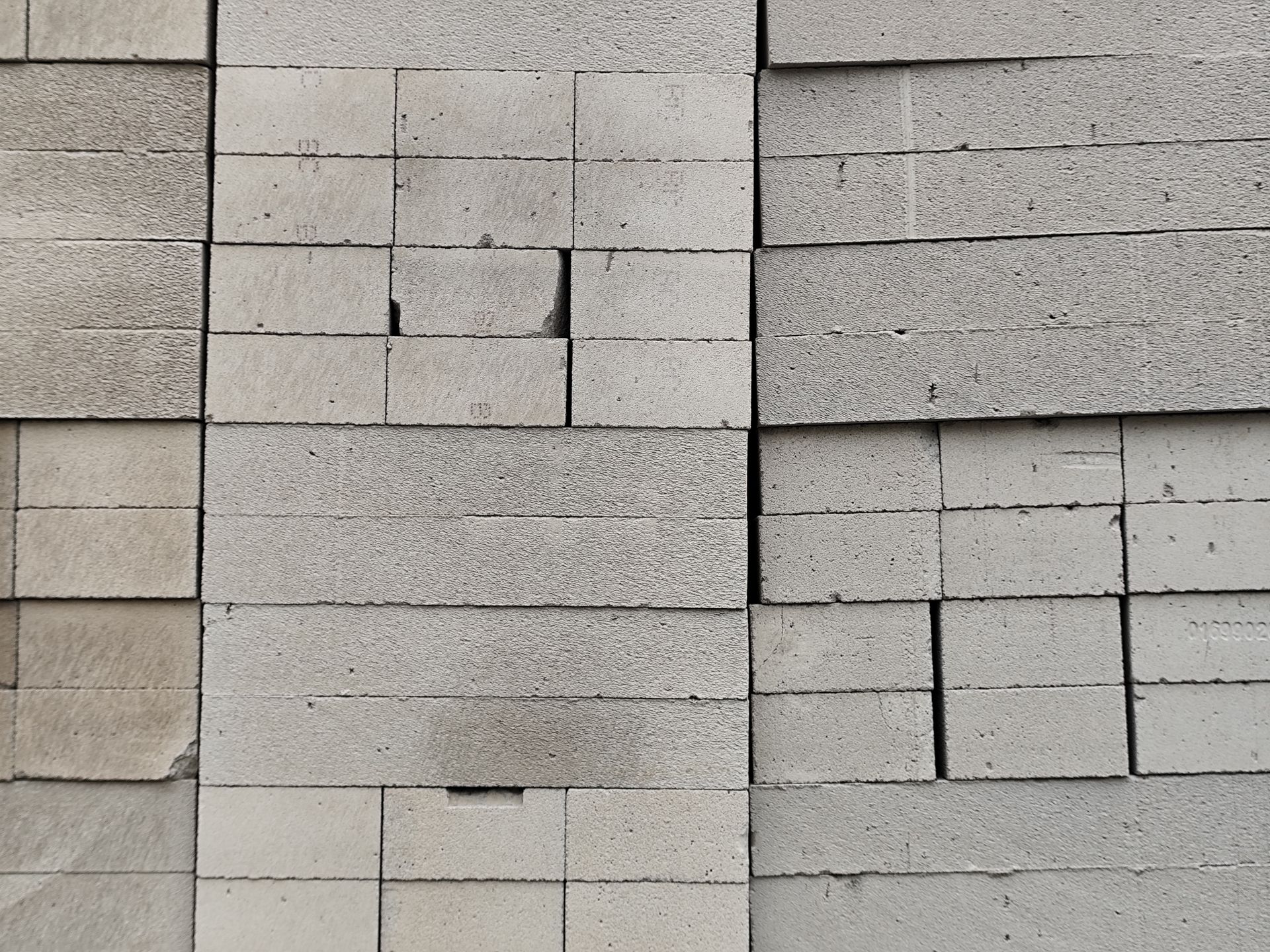
A fiber cement concrete wall system combines the structural strength of concrete with the practical benefits of permanent fiber cement panels. Instead of relying on temporary forms that are removed after the concrete is poured, the panels remain in place and become part of the finished wall. This creates a strong, efficient, and long-lasting wall assembly that can be used in many types of construction.
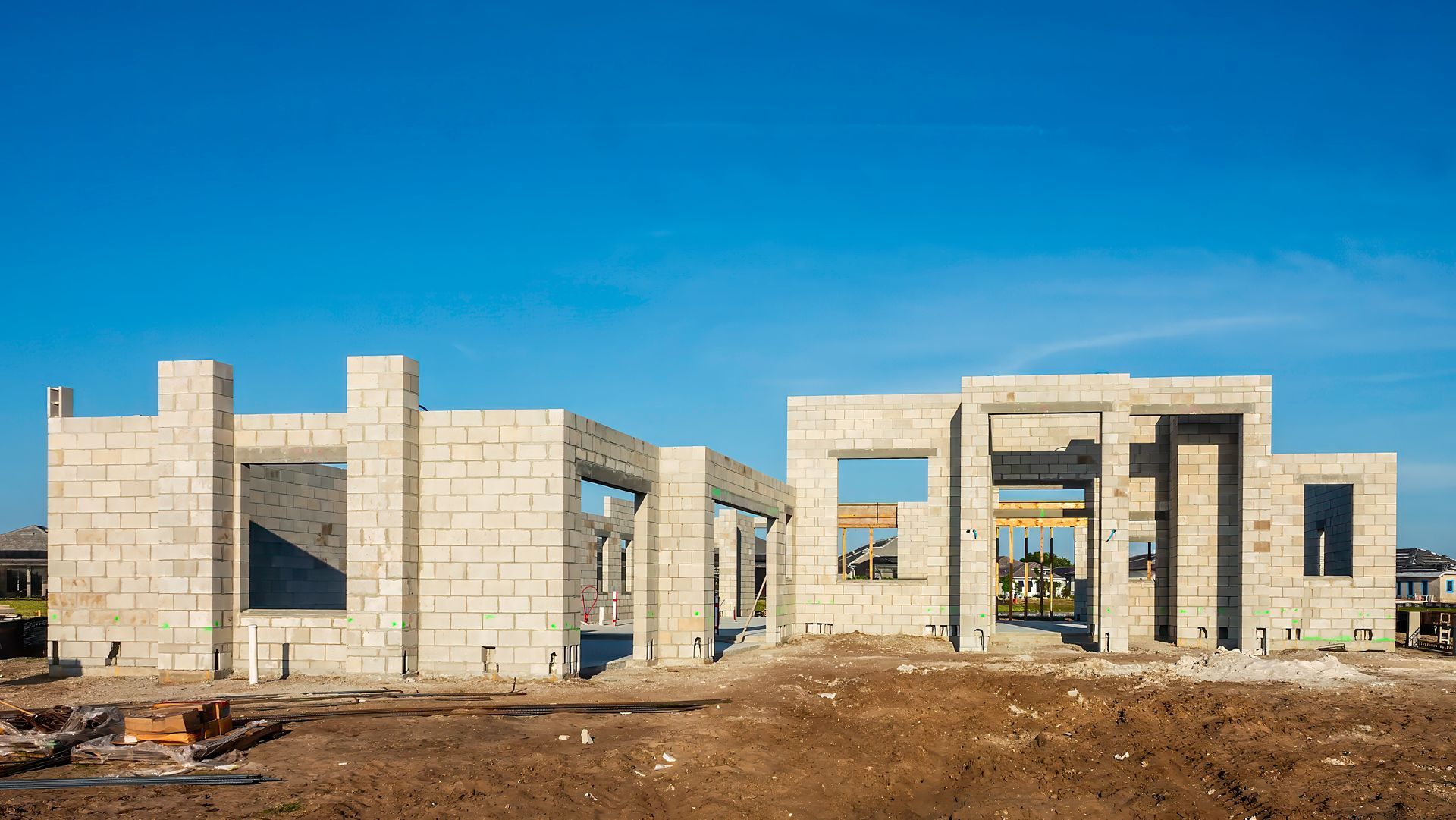
One of the biggest reasons builders are making the switch is labor efficiency. Concrete construction has traditionally required forming, bracing, pouring, curing, and stripping. Each step takes time and coordination. A leave-in-place wall system helps reduce the number of steps needed to create a finished concrete wall. This can make the construction process more predictable and help crews stay on schedule.
Speed is another major advantage. In today’s construction market, delays can quickly affect budgets and timelines. Builders need systems that help reduce downtime and keep projects moving. Fiber cement concrete wall systems allow contractors to install panels, pour concrete, and move forward without waiting on temporary form removal. This can be especially helpful for projects with tight schedules or multiple phases.
Durability is also a major reason builders choose concrete wall systems. Wood framing can be vulnerable to moisture, termites, fire, impact, and severe weather. Concrete offers a stronger alternative, and fiber cement panels add another level of protection. Together, they create a wall system designed for long-term performance in demanding environments.
For builders working in areas with hurricanes, tornadoes, high winds, or wildfire concerns, wall strength becomes even more important. A stronger wall system can help improve building resilience and reduce the risk of major damage. This makes fiber cement concrete wall systems a smart choice for coastal regions, storm-prone markets, and communities focused on safer construction.
Another benefit is reduced maintenance over time. Owners want buildings that are strong and dependable, but they also want to avoid constant repairs. Concrete wall systems are designed to stand up to harsh conditions better than many traditional materials. This can help reduce future maintenance needs and improve the overall value of the property.
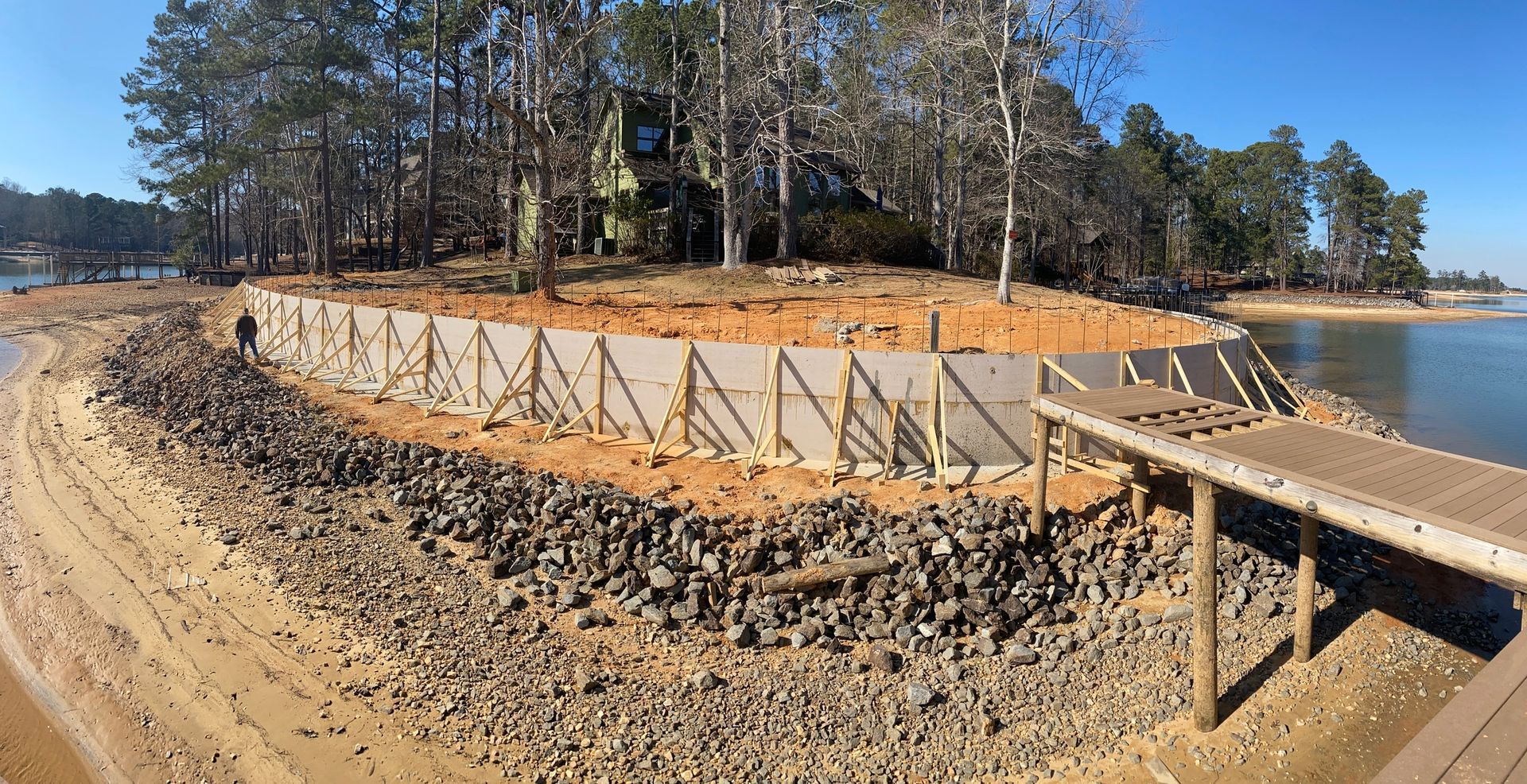
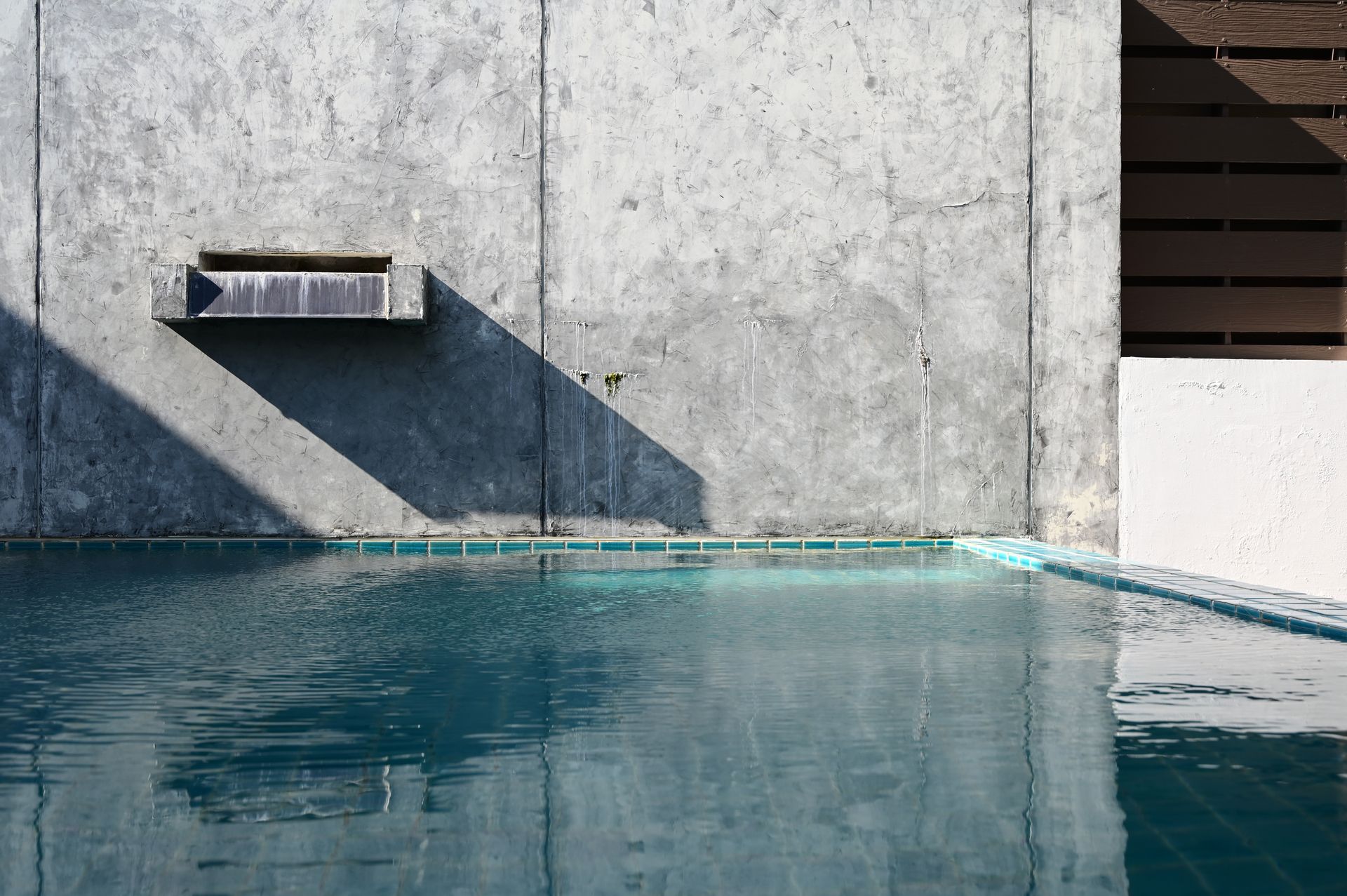
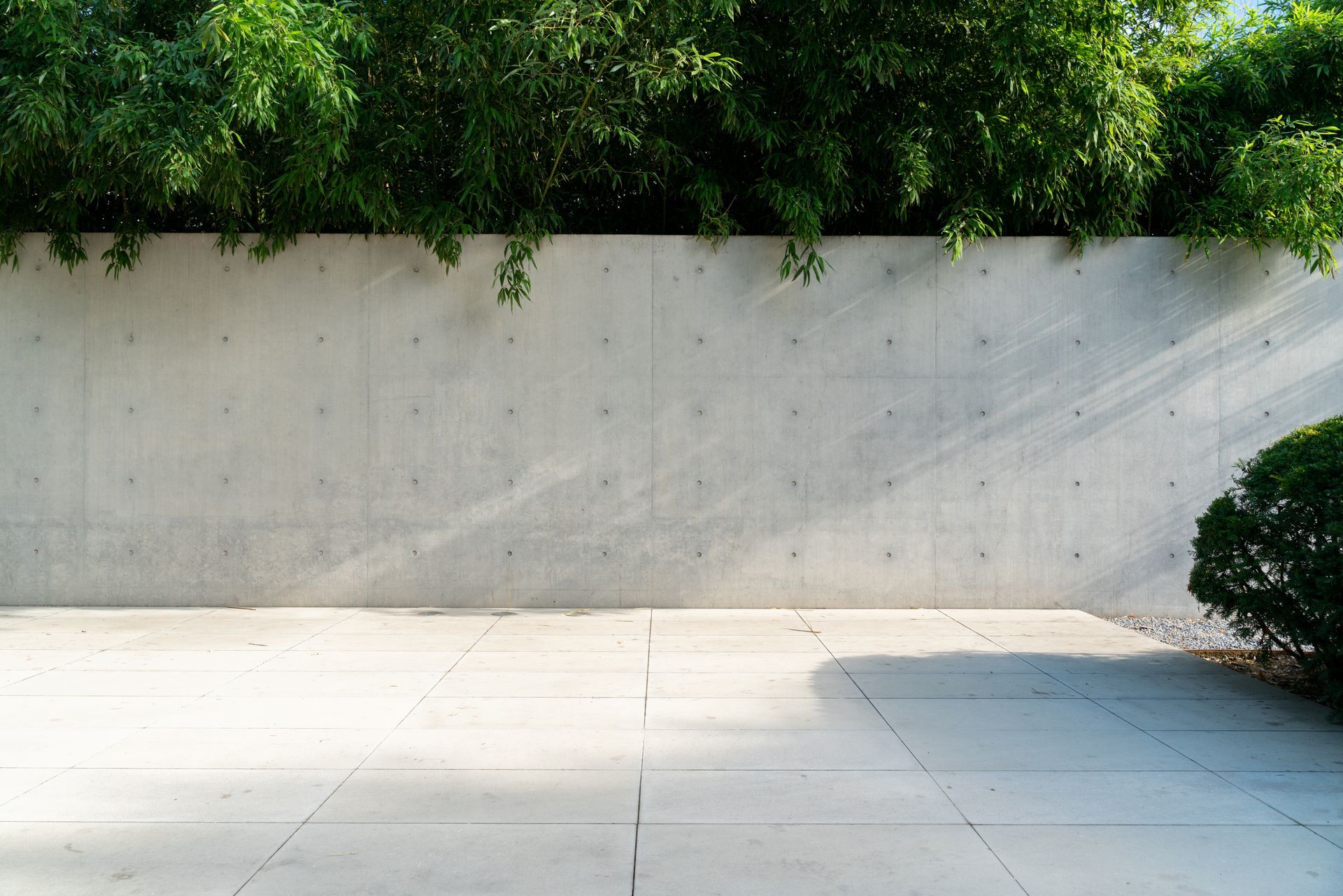
Fiber cement concrete wall systems can also be used across a wide range of project types. Builders may use them for residential homes, commercial buildings, industrial facilities, safe rooms, retaining walls, pools, and other specialty applications. This flexibility makes them a useful solution for contractors who want one strong system that can work in different environments.
Consistency is another advantage. When using a panelized system, builders can create a more uniform wall assembly. This helps reduce variability on the jobsite and supports a cleaner, more efficient build. In an industry where quality control is critical, this can make a noticeable difference.
Builders are not just switching to fiber cement concrete wall systems because they are strong. They are switching because they solve real construction problems. They help reduce labor demands, improve project speed, increase durability, and create buildings that are better prepared for long-term use.
As construction continues to evolve, wall systems need to do more than simply enclose a structure. They need to protect it, strengthen it, and make the building process more efficient. Fiber cement concrete wall systems offer builders a practical way to meet those needs while delivering a stronger finished product.