What Are Leave-In-Place Concrete Wall Panels and How Do They Work?
When builders, developers, and property owners look for stronger and faster ways to build, concrete wall systems are often one of the first options considered. Traditional concrete construction is durable, but it can also be labor-intensive, time-consuming, and dependent on temporary forming systems. Leave-in-place concrete wall panels offer a smarter solution by combining the strength of concrete with a more efficient installation process.
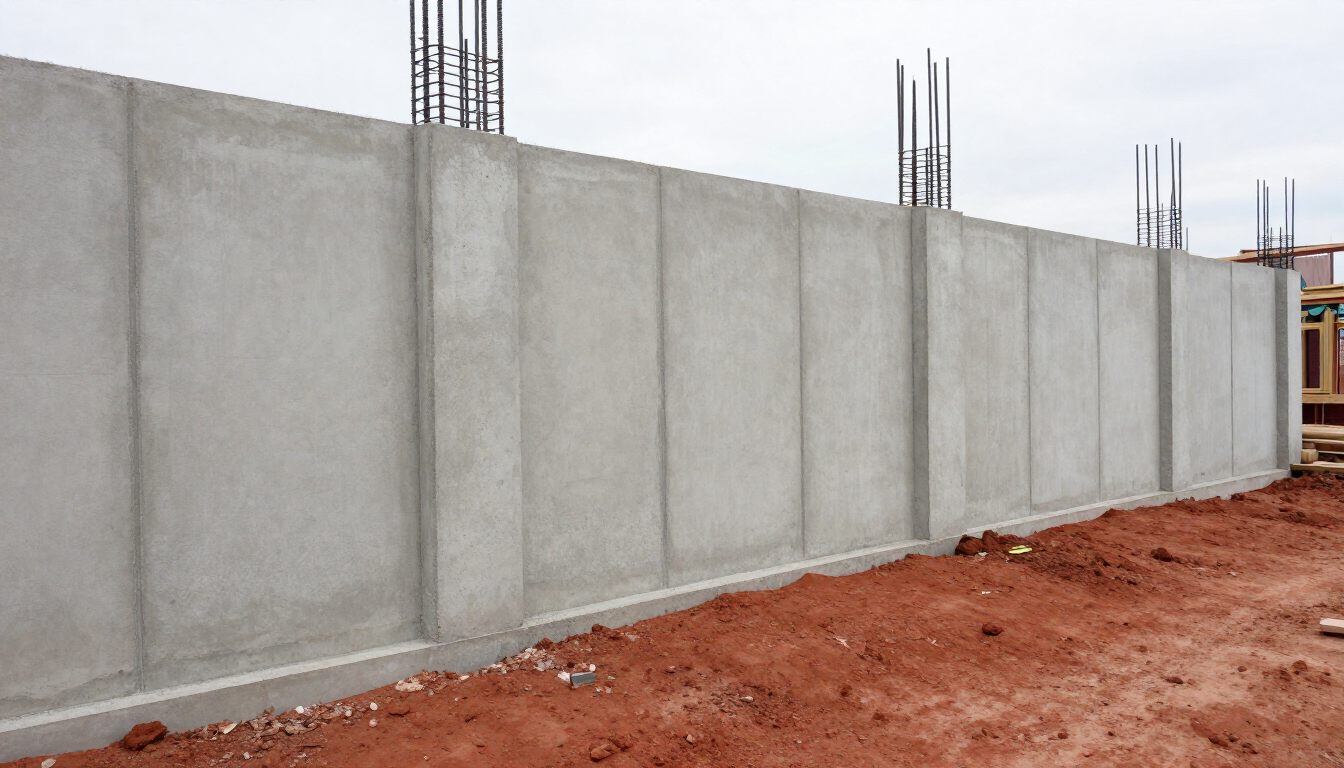
Leave-in-place concrete wall panels are designed to act as both the form and a permanent part of the wall assembly. Instead of setting up temporary forms, pouring concrete, waiting for the concrete to cure, and then removing the forms, these panels stay in place after the concrete is poured. This helps streamline construction while adding long-term value to the finished structure.
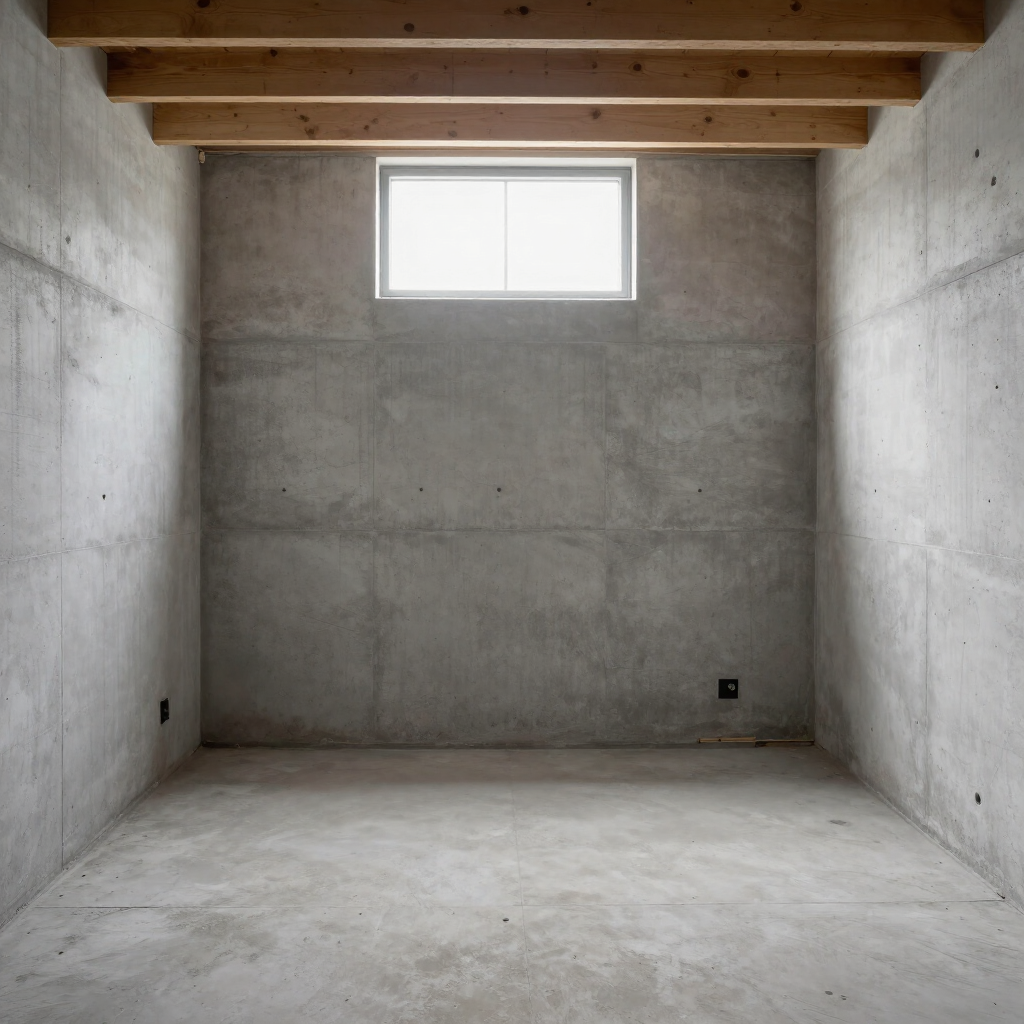
A system like Cemwall is built to simplify the way concrete walls are constructed. The panels create a durable exterior and interior surface while the concrete core provides the strength and structural performance builders expect from concrete. Once installed, the result is a solid, reliable wall system that can be used across residential, commercial, industrial, and specialty construction projects.
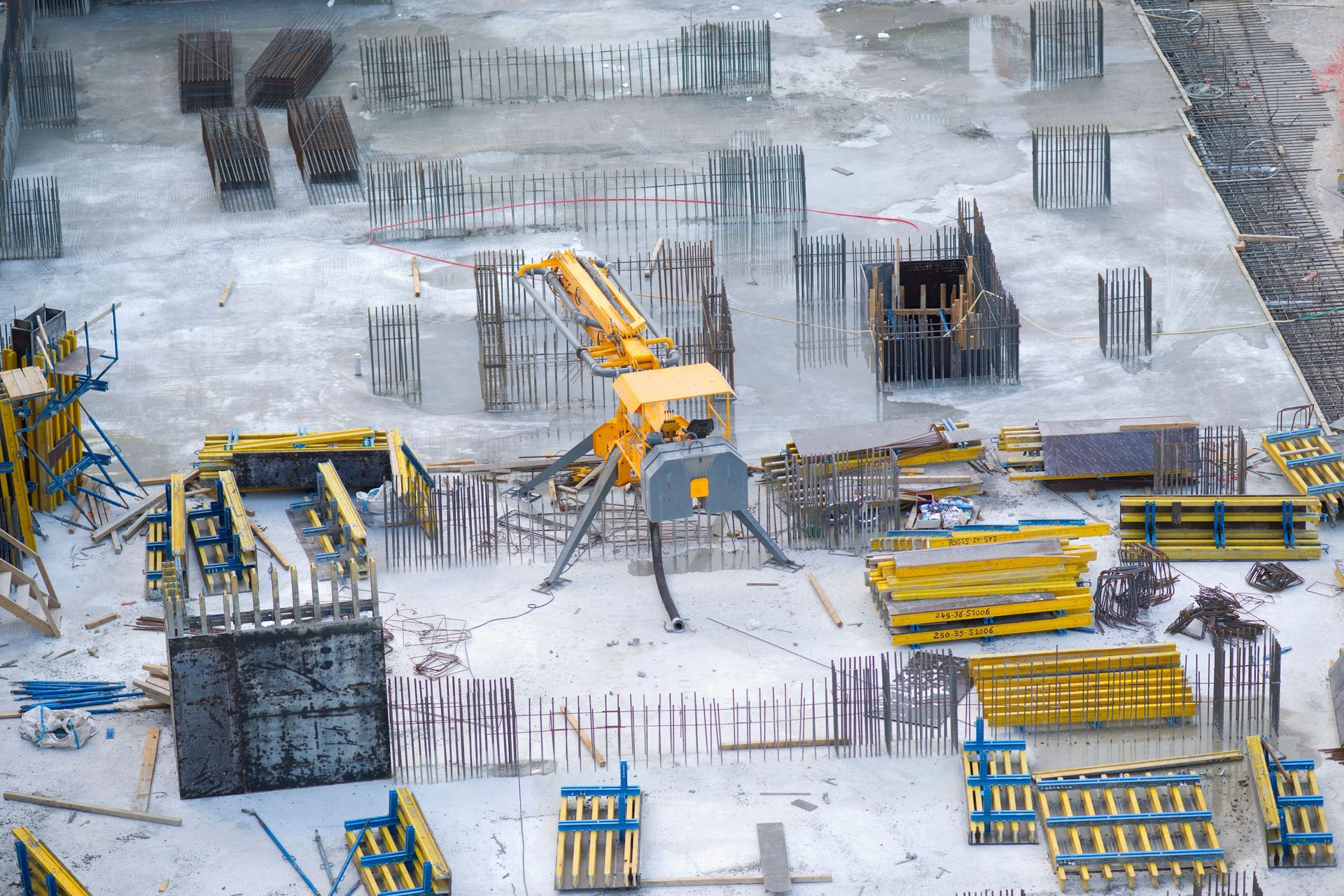
One of the biggest advantages of leave-in-place wall panels is speed. Traditional concrete wall construction can require multiple steps, crews, and jobsite delays. With leave-in-place panels, the forming process becomes more efficient because the panels are part of the finished wall. This can help reduce labor requirements and keep projects moving on schedule.
Durability is another major benefit. Concrete wall systems are known for their strength, and when combined with fiber cement panels, they offer strong resistance to many of the issues that affect traditional framing. Moisture, fire, impact, pests, and severe weather can all create problems for wood-framed structures. A concrete wall system helps create a more resilient building envelope from the start.
Leave-in-place concrete wall panels are also useful for projects where long-term performance matters. Builders and owners want structures that can stand up to changing weather, heavy use, and demanding environments. Whether the project is a home, commercial building, storm shelter, pool wall, or industrial structure, a concrete wall system can provide a strong foundation for lasting performance.
Another reason these systems are growing in popularity is consistency. Traditional construction can vary depending on labor, materials, weather, and site conditions. A panelized concrete wall system helps create a more controlled building process. This allows contractors to work more efficiently while giving owners confidence in the quality of the final structure.
Leave-in-place concrete wall panels are especially valuable in areas where storm resistance and structural strength are priorities. In hurricane-prone, tornado-prone, or high-wind regions, wall system choice can make a major difference. A stronger wall assembly can help protect the building, reduce damage, and improve overall safety.
For contractors, the value comes from efficiency and performance. For property owners, the value comes from strength, durability, and peace of mind. Leave-in-place concrete wall panels are not just an alternative to traditional construction. They are a modern building solution designed to make concrete wall construction faster, stronger, and more practical.
As the construction industry continues to look for better ways to build, systems like Cemwall are becoming an important option for projects that demand speed, durability, and long-term protection. By combining permanent panels with a reinforced concrete core, leave-in-place wall systems offer a smarter path to stronger buildings.