Cemwall Systems: Transforming Affordable Housing Construction
Cemwall Systems: Transforming Affordable Housing Construction
Affordable housing development faces unprecedented challenges. Rising material costs, skilled labor shortages, and extended construction timelines create barriers to delivering quality homes within budget constraints. Cemwall Systems addresses these challenges with innovative concrete wall panels that reduce costs, accelerate construction, and deliver superior long-term performance.
The Affordable Housing Construction Challenge
Traditional wood framing dominates affordable housing construction but presents significant obstacles. Material price volatility makes budget planning difficult. Extended labor requirements increase project costs. Wood structures face long-term issues including moisture damage, pest infiltration, and fire vulnerability.
These challenges particularly impact affordable housing developers who must balance quality with strict budget limitations while meeting regulatory requirements and safety standards.
Cemwall Concrete Panel Technology
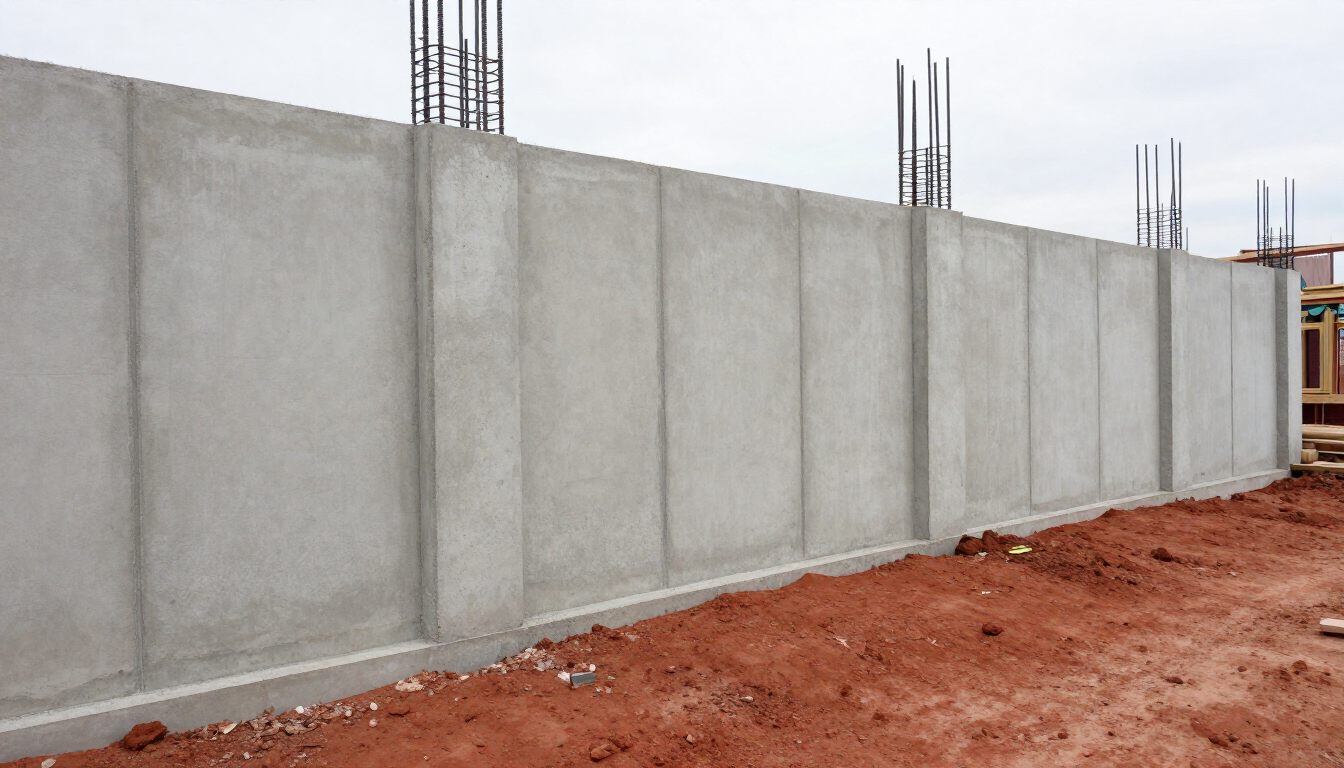
Cemwall panels feature a patented design combining cement fiber board exteriors with reinforced concrete cores. Each 4-foot by 8-foot panel integrates structural strength, fire resistance, and moisture protection in a single building component.
The patented cup system secures internal reinforcement while simplifying rebar integration. This design eliminates multiple construction steps required with traditional framing methods.
Cost Reduction Through Construction Efficiency
Cemwall panels deliver measurable cost savings across multiple project phases:
Accelerated Installation: Pre-manufactured panels with integrated reinforcement systems reduce on-site construction time. Standardized dimensions ensure consistent installation processes.
Reduced Labor Requirements: Simplified installation procedures require fewer specialized trades. Single-component wall systems eliminate multiple material handling steps.
Minimized Material Waste: Factory-controlled panel production reduces job-site waste. Precise manufacturing eliminates material overages common with traditional framing.
Integrated Performance Features: Built-in fire rating, moisture resistance, and structural capacity eliminate additional materials and installation steps required with wood framing systems.
FEMA Certification for High-Risk Locations
Affordable housing projects often occur in areas with challenging environmental conditions due to land cost considerations. Cemwall panels meet FEMA requirements for wind resistance up to 250 mph and impact resistance standards.
The concrete core construction provides zero burn and zero spread fire ratings, meeting stringent building codes in wildfire-prone regions. These certifications ensure project approval in high-risk zones while protecting long-term housing investments.
Government Housing Project Compatibility
Municipal and federal affordable housing programs require strict performance standards and environmental compliance. Cemwall panels support these requirements through:
Sustainable Construction Practices: Reduced construction equipment requirements and minimized job-site waste support environmental goals.
Energy Efficiency: High thermal mass properties reduce HVAC loads and support energy performance standards.
Green Building Credits: Panel specifications may contribute to LEED certification and other green building programs.
These features make Cemwall panels attractive to housing authorities, architects, and policy stakeholders managing public housing investments.
Long-Term Operational Benefits
Property managers of affordable housing face ongoing maintenance challenges from high tenant turnover and intensive use. Cemwall panels reduce these operational burdens:
Durability: Concrete construction resists common damage requiring frequent repairs in affordable housing units.
Moisture Resistance: Integrated moisture protection prevents mold issues and structural damage.
Pest Resistance: Concrete construction eliminates termite and rodent infiltration problems.
Low Maintenance: Reduced repair frequency lowers operational costs and tenant disruption.
Tenant Comfort and Energy Efficiency
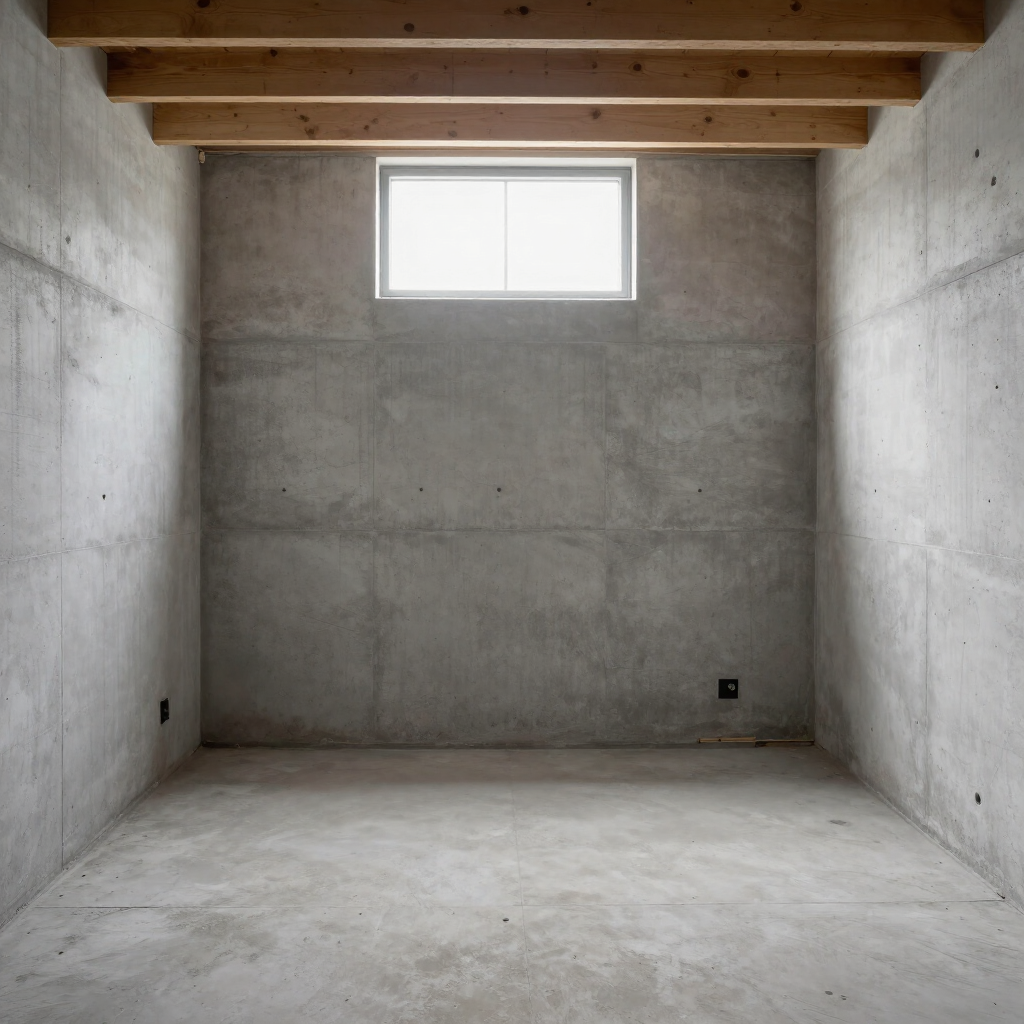
Cemwall panels provide direct benefits to affordable housing residents. The concrete core construction offers superior sound dampening compared to wood framing, reducing noise transmission between units.
High thermal mass properties help regulate indoor temperatures, reducing HVAC energy consumption. These performance characteristics improve living conditions while reducing utility costs for residents.
Modular Construction Integration
Modular construction methods increasingly support affordable housing development due to efficiency and scalability advantages. Cemwall panels integrate effectively with modular approaches:
Consistent Dimensions: Standardized panel sizes support precise modular unit manufacturing.
Transport Durability: Concrete construction withstands transportation stresses better than traditional framing.
Assembly Efficiency: Pre-manufactured panels accelerate on-site modular unit completion.
For developers scaling operations across multiple communities, Cemwall standardization supports predictable schedules and outcomes.
Performance in Challenging Environments
A recent Southeast project demonstrated Cemwall panel performance under demanding conditions. A developer building 40 affordable homes in a flood-prone area selected Cemwall panels for water resistance, installation speed, and total cost of ownership benefits.
The project completed ahead of schedule and under budget while passing all inspections with minimal modifications. Success led the developer to adopt Cemwall panels for all subsequent builds, with the local housing authority considering broader implementation.
Industry Adoption Drivers
General contractors, developers, and architects increasingly select Cemwall panels for affordable housing projects because the technology addresses multiple construction challenges simultaneously:
Cost Control: Predictable material costs and reduced labor requirements support budget management.
Schedule Reliability: Faster installation and fewer weather delays improve project timelines.
Performance Assurance: FEMA certification and concrete durability reduce long-term risk.
Code Compliance: Fire ratings and structural performance simplify permitting processes.
This comprehensive solution approach supports innovation in an industry requiring modernization to meet affordable housing demands.
Implementation Planning
Developers, housing authorities, and general contractors can evaluate Cemwall panels for upcoming affordable housing projects through direct consultation with Cemwall Systems. The company provides project planning support, design assistance, and construction timeline integration services.
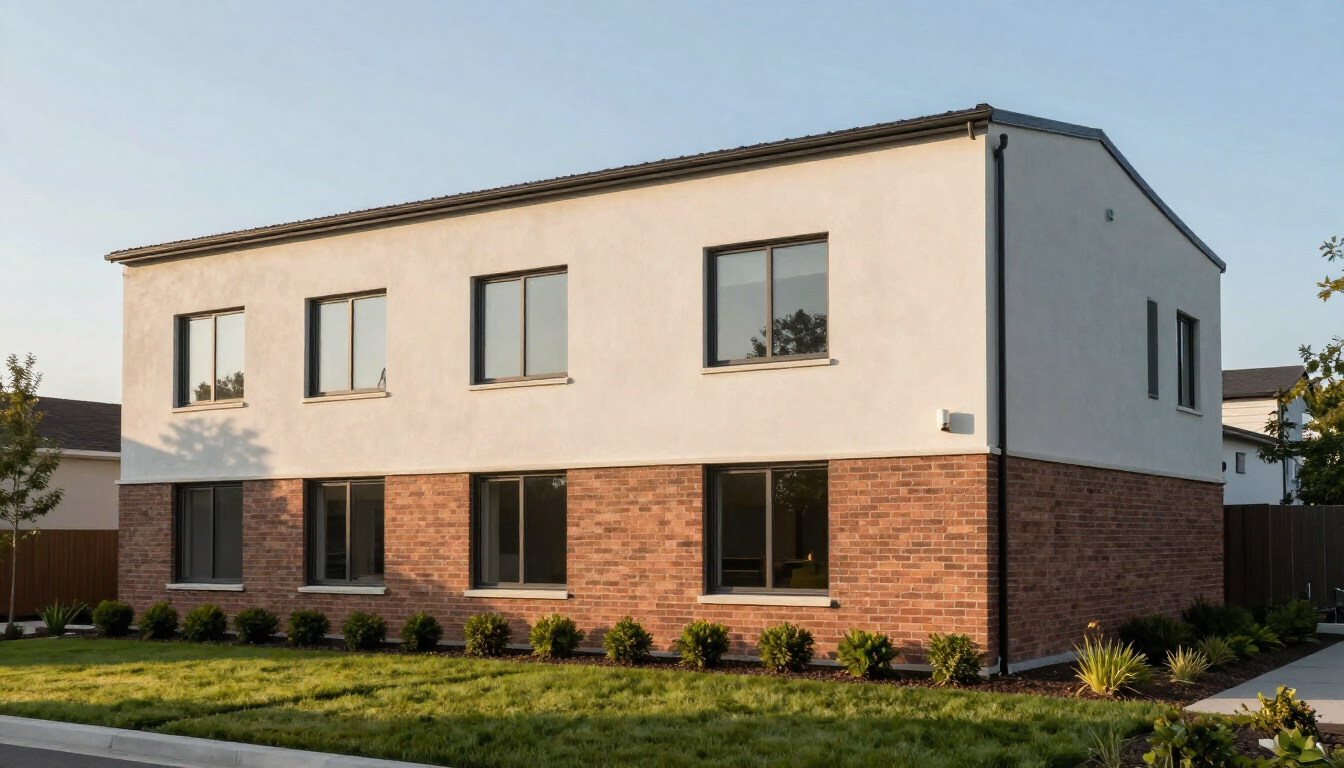
Case studies and performance data help stakeholders understand how Cemwall panels fit specific project requirements and permitting processes. The system adapts to various affordable housing formats including duplexes, townhomes, and multi-story developments.
Conclusion
Cemwall Systems concrete wall panels offer a proven solution for affordable housing construction challenges. The technology delivers cost savings through construction efficiency while providing superior long-term performance and safety. For developers committed to quality affordable housing within budget constraints, Cemwall panels represent a strategic building material choice that supports both immediate project success and long-term community benefits.