What Is a Concrete Wall Panel System and Why Are Builders Switching to It?

If you’re involved in construction, whether as a builder, developer, architect, or project manager, chances are you’ve come across the term concrete wall panel system. But what exactly is it, and why is this method quickly becoming the preferred option over traditional wood framing or block construction?

Let’s break it down so you can see how a concrete wall panel system works and why so many professionals are making the switch.

Understanding Concrete Wall Panel Systems

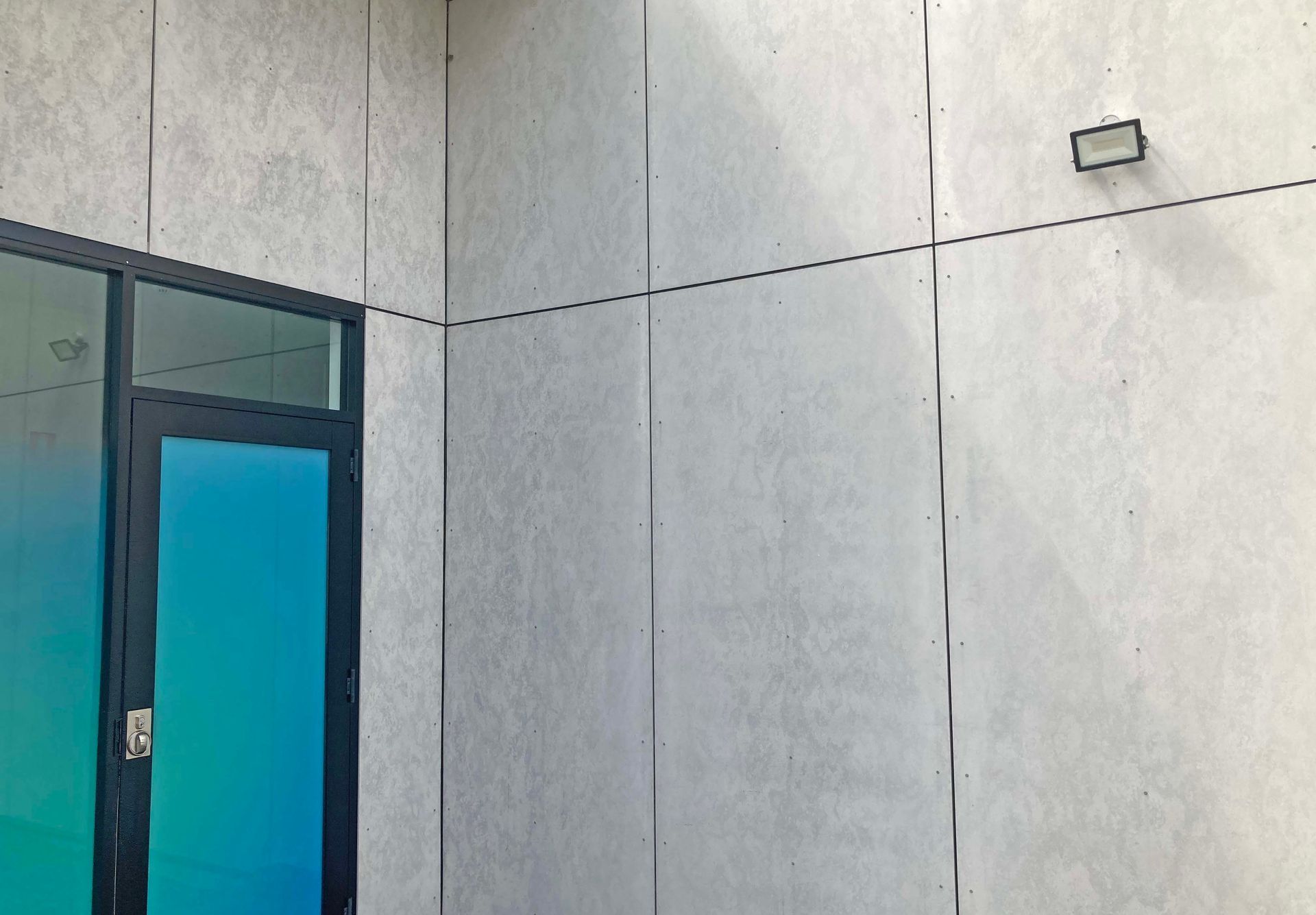
A concrete wall panel system refers to a wall structure that’s assembled using large prefabricated or semi-prefabricated panels. These panels are made of a durable mix of materials that typically include concrete, reinforcement, and protective facing. Instead of stacking block by block or framing with wood studs and insulation, contractors install wall sections that are already engineered to provide strength, insulation, and long-term performance.

At Cemwall Systems, our wall panels go a step further. Each Cemwall panel is made of two ¼-inch cement-fiber boards with a reinforced concrete core poured on-site. These panels are locked in place using our patented cup and J-hook system that ties everything together with vertical and horizontal rebar. The result is a continuous structural wall system that is solid, safe, and efficient to install.

Why Builders Are Moving Away From Traditional Methods

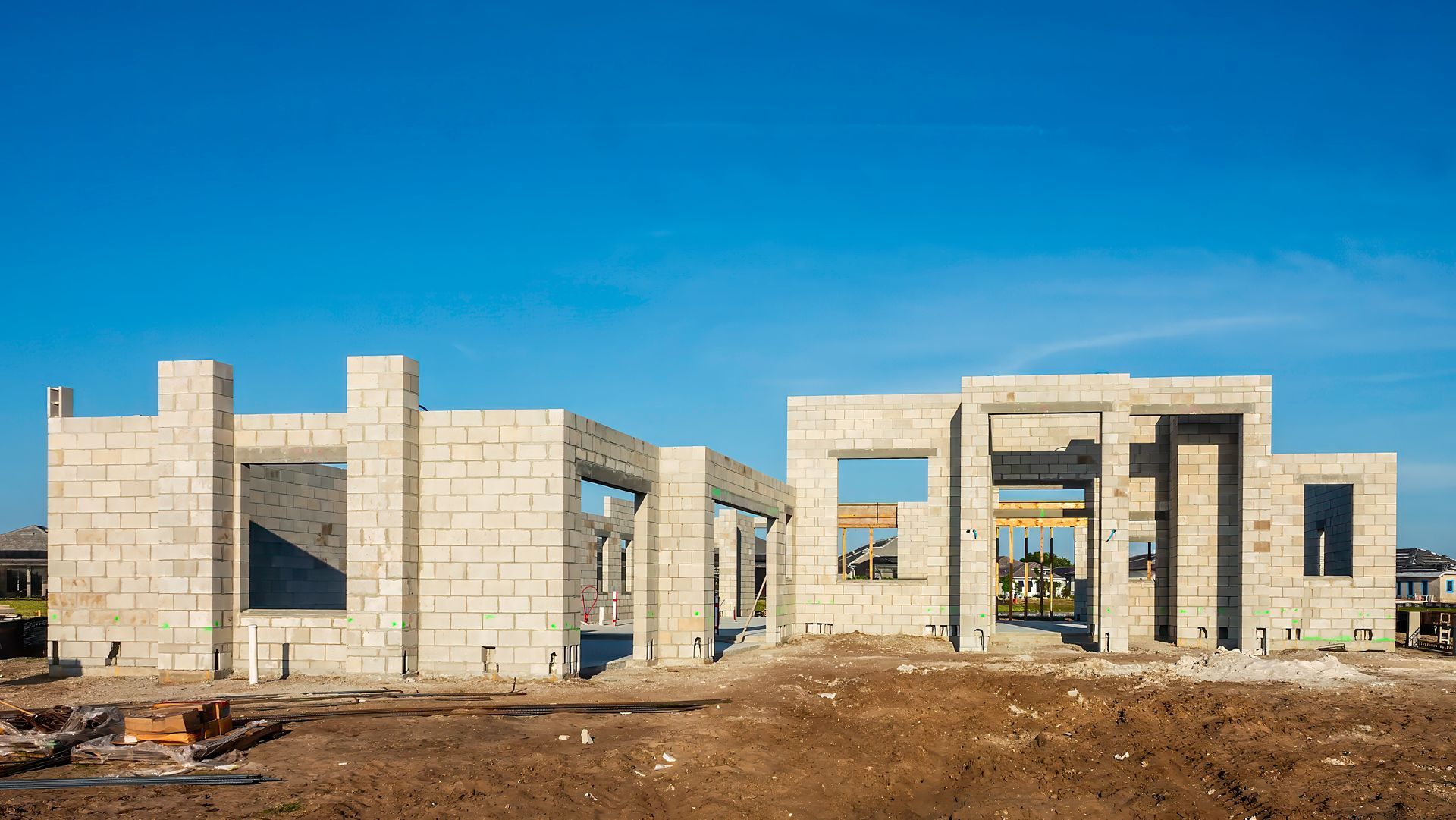
Traditional construction methods like wood framing or CMU (concrete masonry unit) blocks have been the standard for decades. However, they come with some serious drawbacks. Wood is vulnerable to pests, mold, and rot. It requires more insulation and can’t compete when it comes to fire or storm resistance. Block construction is labor-intensive, slow, and often inconsistent in finish and performance.

Cemwall Systems provides a streamlined alternative that solves those problems. You get a highly durable, moisture-resistant, pest-proof, and fire-rated structure that installs faster and performs better over time. The ease of assembly using our panel system also reduces labor costs and eliminates the need for formwork or extra insulation layers.

If you’re bidding on projects where timelines are tight or structural resilience is critical, switching to a concrete wall panel system can give you a competitive edge.

Speed Without Sacrificing Strength

Speed and consistency are two of the biggest reasons contractors choose Cemwall. Each panel is made in a controlled environment and arrives ready to be installed with minimal cutting or field modification. Once panels are in place and rebar is secured, concrete is poured into the core, permanently bonding the structure together.

This means you’re not waiting weeks for framing and inspection before closing walls. You can move faster from foundation to finish while maintaining structural integrity that exceeds code.

Every Cemwall panel is designed to withstand high winds, flooding, and fire hazards, which is especially important for builders in coastal regions or areas prone to extreme weather. In fact, Cemwall is FEMA-certified for missile impacts accelerated by winds of 250 miles per hour.

If you're building in hurricane zones or flood-prone areas, this isn't just a smart upgrade, it’s a necessity.

Less Waste, More Value

Using concrete wall panel systems also reduces job site waste. There’s no leftover lumber, less packaging, and fewer on-site adjustments needed. That saves time during cleanup and makes your build more predictable and manageable.

Over time, Cemwall structures also reduce maintenance for the end user. With resistance to termites, mold, and fire, you’re delivering more value to your customers and creating a long-lasting structure they can trust.

If you’re a developer looking for cost efficiency over time or a homeowner building your forever home, that long-term resilience matters.

More Than Just Walls

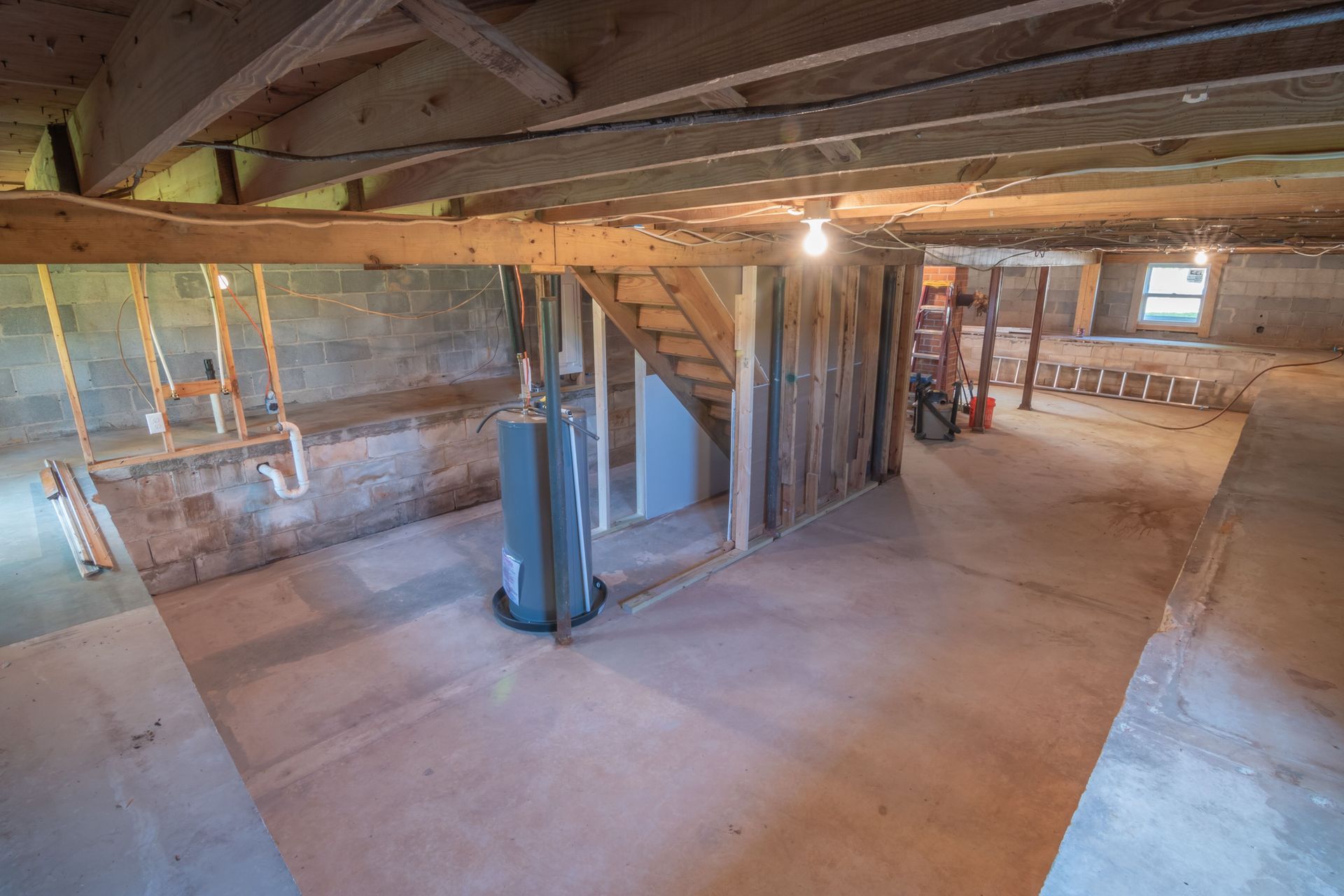
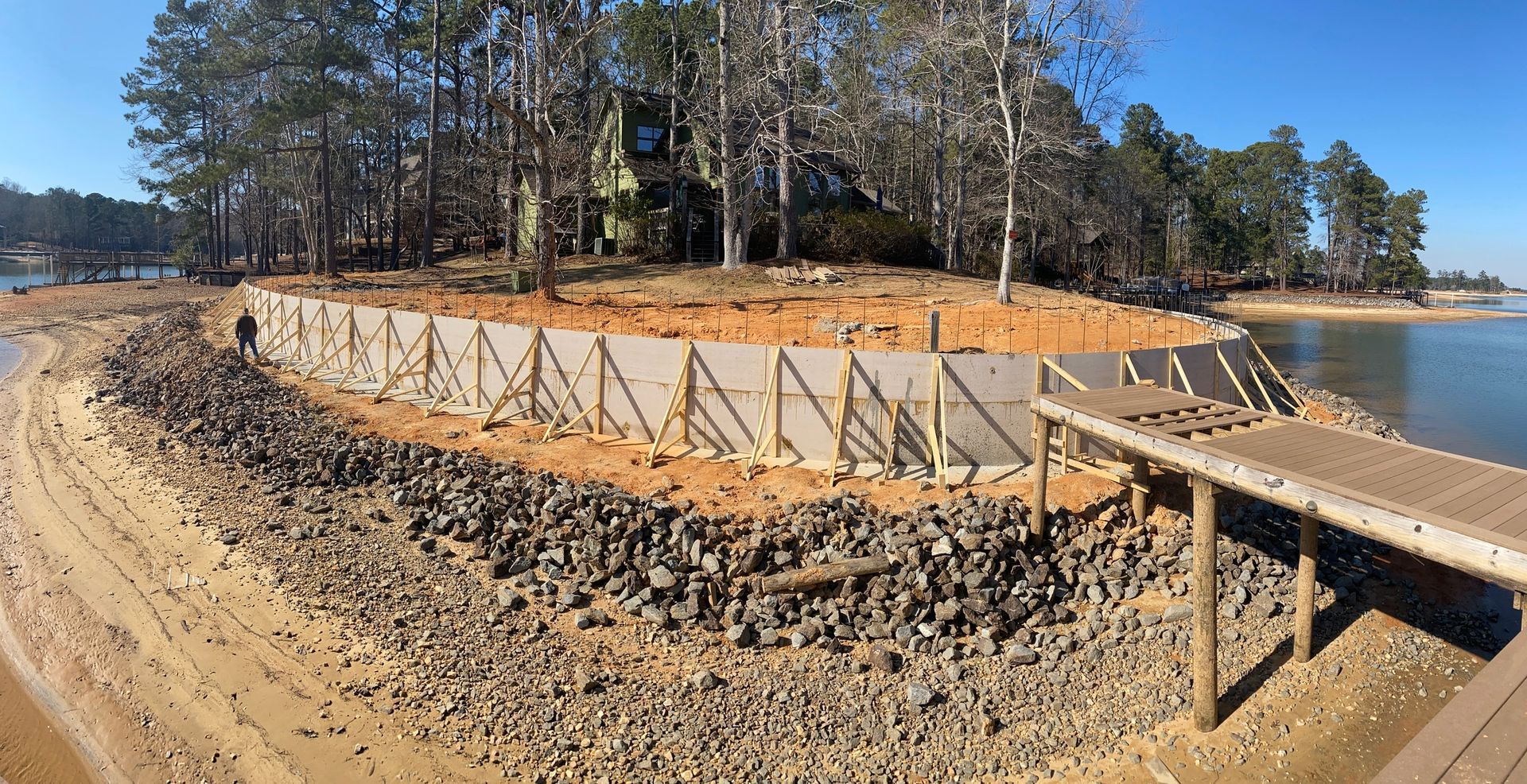
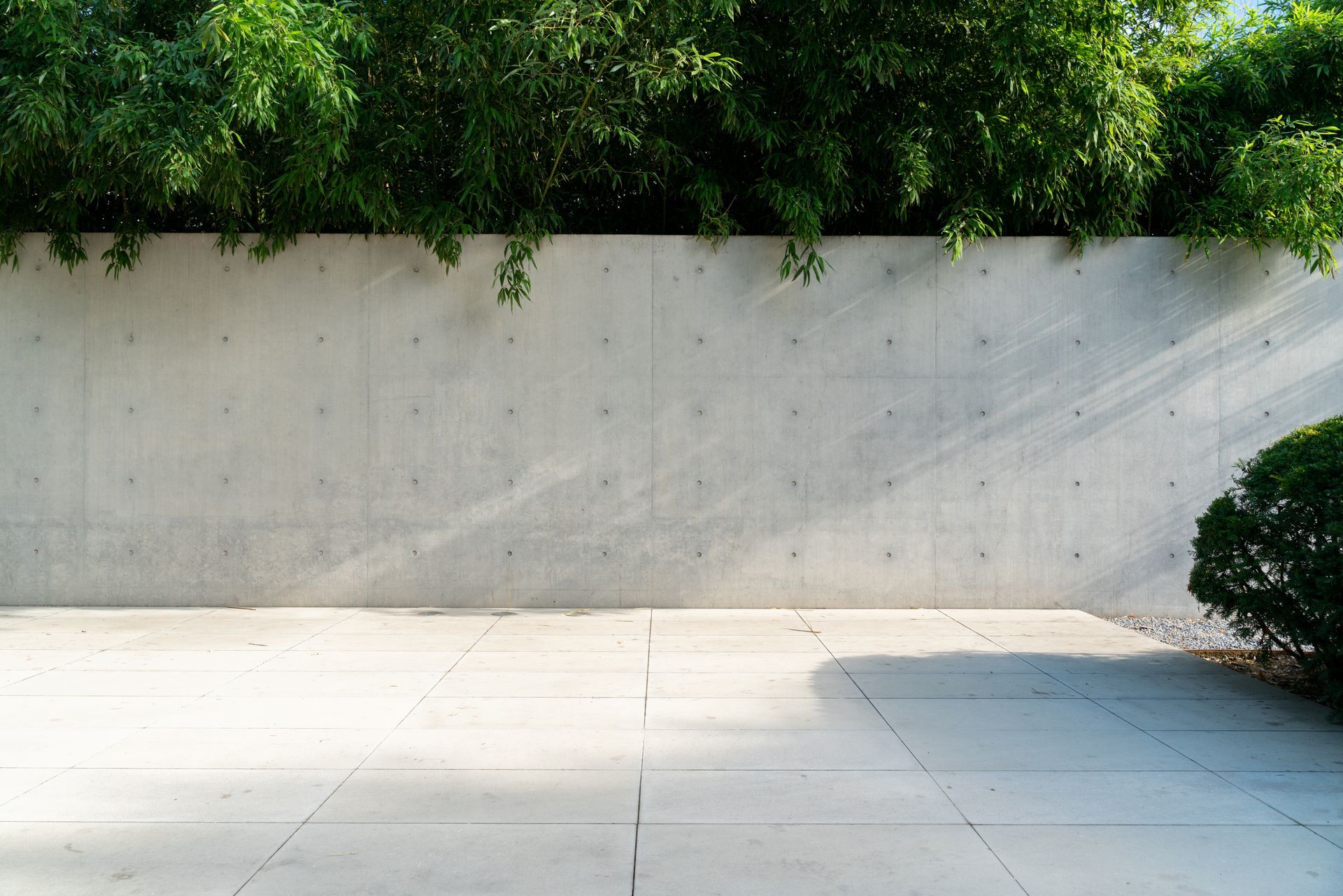
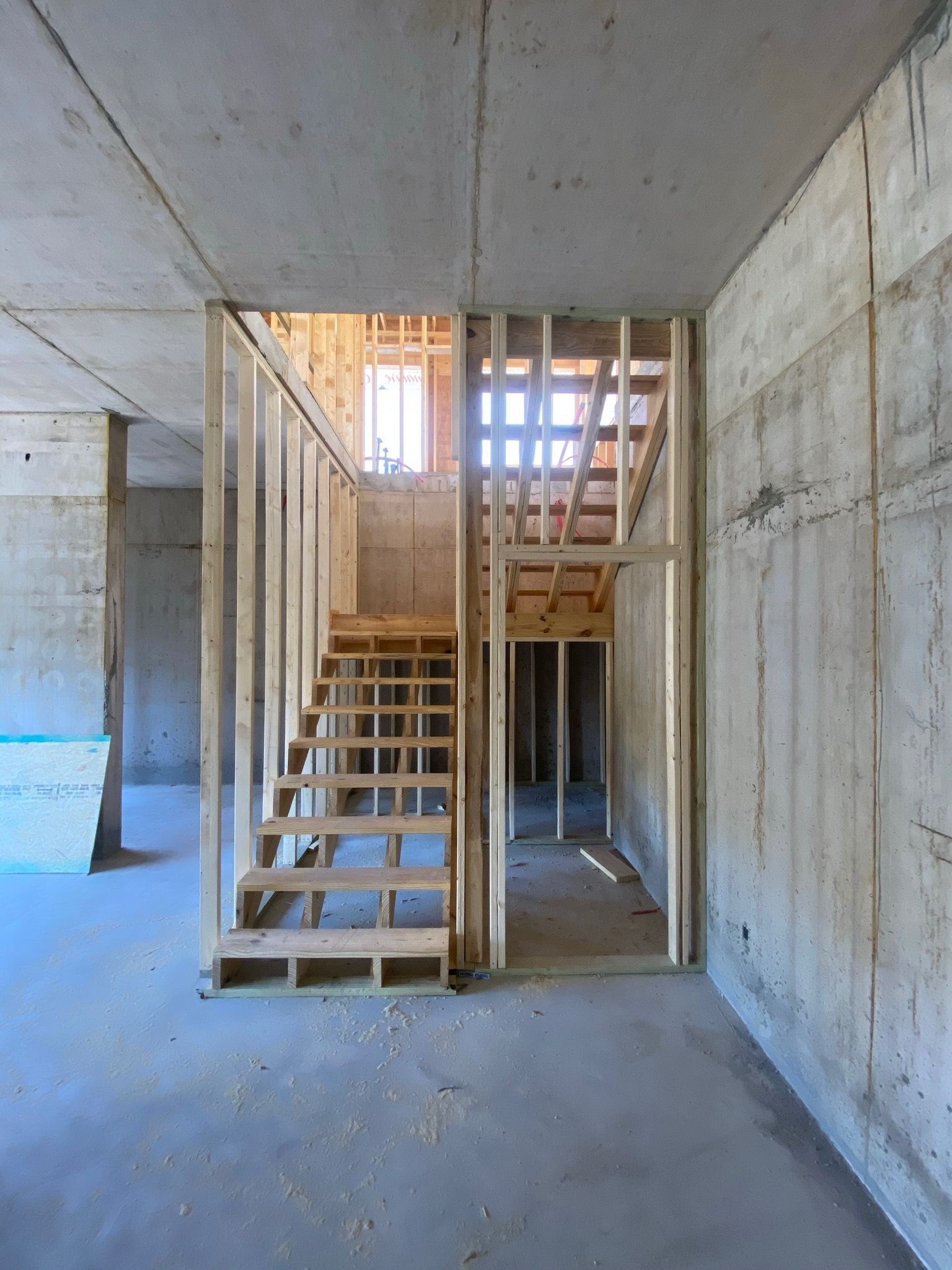
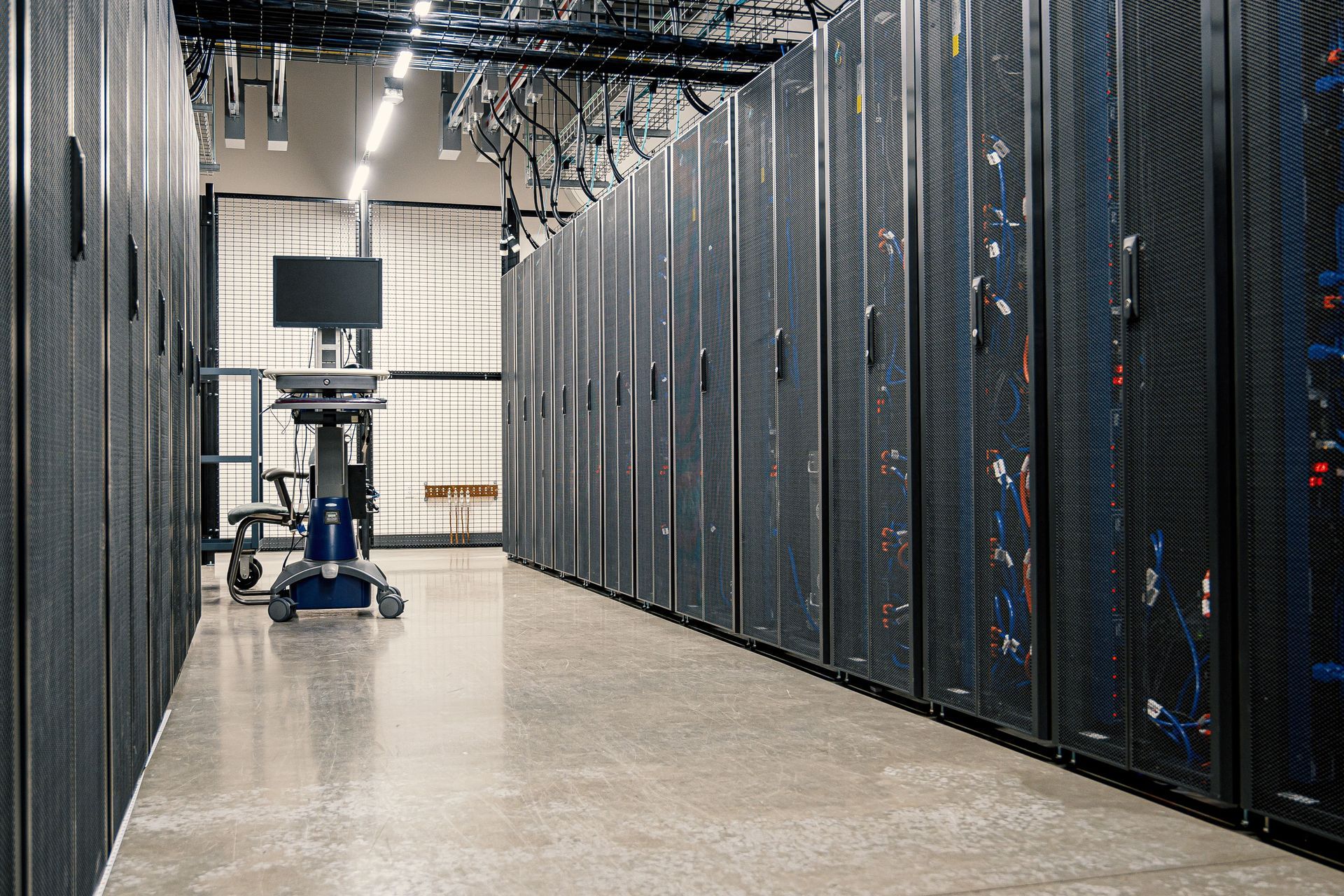
Cemwall Systems isn’t limited to foundations or structural walls. Builders also use our panels for safe rooms, stem walls, basements, pools, retaining walls, and outdoor kitchens. We’ve seen our system adapted into high-rise condos, storage facilities, and data centers where strength and reliability are critical.

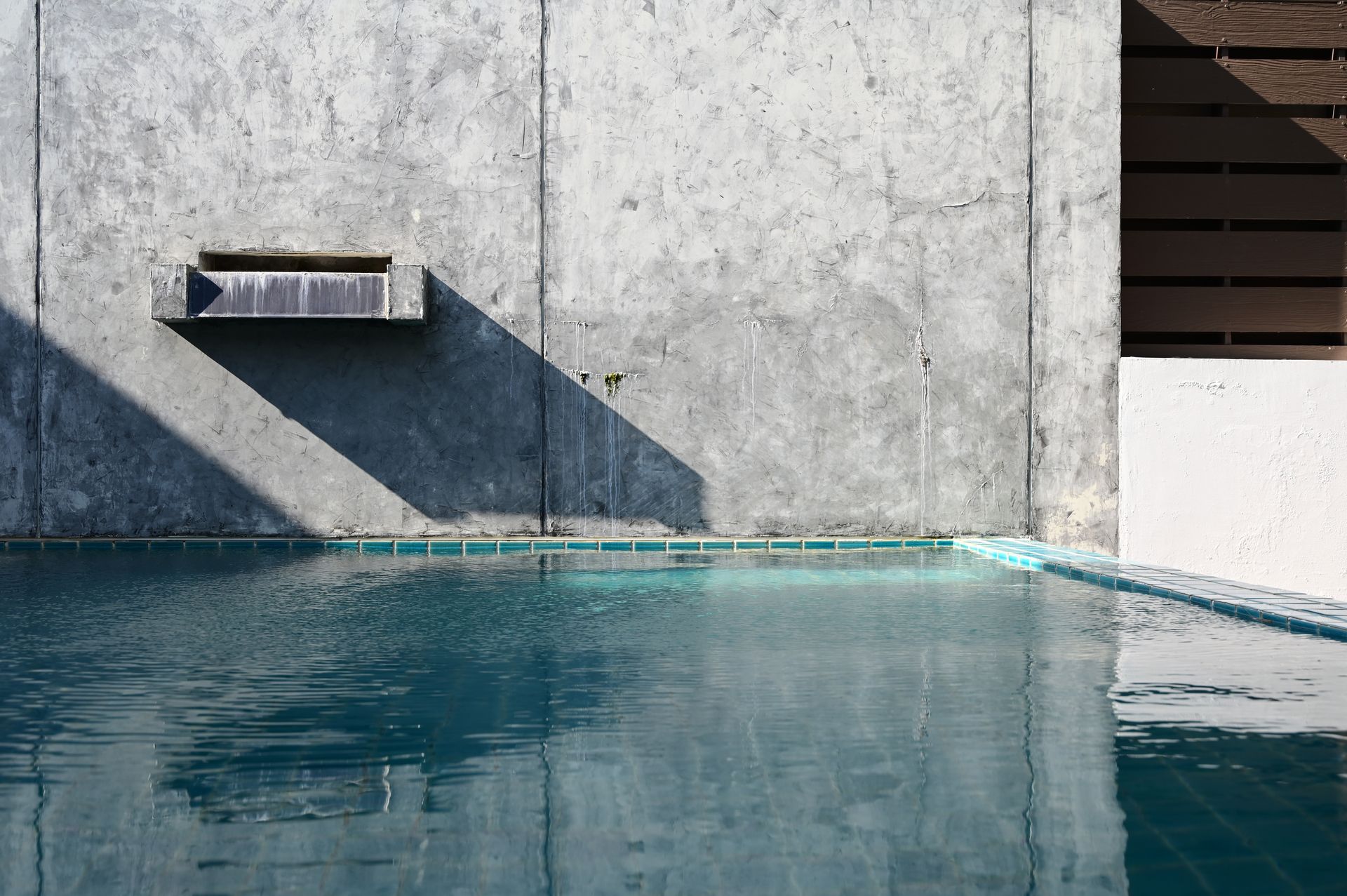
The same technology powers our AquaCem pool division, where we use our panel structure to create watertight, durable pools faster than traditional methods. Whether you're designing a backyard oasis or building a community pool, the structure matters.

How to Get Started With Cemwall

If you're considering switching to a concrete wall panel system for your next project, our team is here to help. We’ll walk you through the process, answer your technical questions, and match you with a distributor or certified installer in your region.

Scroll through our website to explore the product, see how it works, and get in touch with our team. You’ll find a full overview of our technology, case studies, and service areas so you can move forward with confidence.

Ready to make the switch to a stronger, smarter build? Reach out today and find out how Cemwall can simplify your next project and add long-term value.

By VIV Builder August 10, 2026
Discover how concrete wall systems improve pools, retaining walls, and specialty builds with strength, moisture resistance, and long-term durability.
By VIV Builder August 3, 2026
Discover why concrete wall systems are ideal for commercial and industrial buildings, offering durability, fire resistance, and faster construction.
By VIV Builder July 27, 2026
Learn why concrete wall systems are ideal for hurricane-prone areas, offering greater strength, moisture resistance, and storm protection.
By VIV Builder July 20, 2026
Learn how Cemwall panels reduce labor, simplify concrete wall construction, and help builders complete projects faster without sacrificing strength.
By VIV Builder July 20, 2026
Discover how fire-resistant concrete wall systems improve building safety, durability, and long-term protection for homes and businesses.
By VIV Builder July 13, 2026
Compare concrete wall systems to traditional wood framing and learn why builders choose concrete for greater strength and durability.
By VIV Builder July 13, 2026
Learn how FEMA-rated concrete wall systems help protect buildings from hurricanes, tornadoes, and extreme weather with lasting strength.
By VIV Builder July 6, 2026
Learn why builders choose fiber cement concrete wall systems for faster construction, greater durability, and long-lasting structural performance.
By VIV Builder July 2, 2026
Discover how leave-in-place concrete wall panels speed construction while delivering durable, reinforced walls for residential and commercial projects.
March 24, 2026
Choosing the right wall system for a commercial or industrial project is one of the most important decisions made during the planning phase. It is not just about selecting a material, it is about choosing a system that will impact construction timelines, long term performance, operating costs, and the overall value of the building. With so many options available, understanding what actually matters in that decision can help you avoid costly mistakes and set your project up for success from the start. One of the first things to consider is how the wall system fits into your overall project goals. Every project has different priorities, whether it is speed to completion, long term durability, energy efficiency, or cost control. The right system should align with those priorities rather than forcing compromises later in the process. Taking the time to define what matters most at the beginning makes it easier to evaluate your options and choose a solution that supports those objectives. Construction timeline is often a major factor in this decision. Wall systems play a critical role in how quickly a building can move from structure to completion. Systems that require multiple steps, trades, and extended installation time can slow down progress and create delays across the entire project. In contrast, systems that are designed for efficiency can help keep everything on track and allow other phases of construction to begin sooner. This has a direct impact on both schedule and cost. Durability is another key consideration that should not be overlooked. Commercial buildings are expected to perform for years while handling environmental stress, daily use, and changing conditions. Wall systems that are prone to wear, moisture issues, or structural limitations can create long term challenges that are expensive to address. Choosing a system that is built for durability helps reduce maintenance needs and supports consistent performance over time. Energy performance is becoming increasingly important in modern construction. The wall system plays a major role in how well a building maintains temperature, controls air flow, and manages energy use. Systems that provide consistent insulation and reduce air leakage contribute to lower operating costs and a more comfortable environment for occupants. This is not just a benefit, it is becoming a standard expectation in many commercial projects. Labor and installation requirements also influence the overall decision. Construction environments are facing ongoing challenges with labor availability, and systems that require complex installation processes can add unnecessary strain to the project. Wall systems that are designed to simplify installation and reduce the number of steps involved help create a more efficient workflow. This allows crews to complete work more effectively and reduces the risk of delays. Consistency and quality control are closely tied to the type of system you choose. Traditional construction methods can vary depending on the crew and conditions on site, which can lead to inconsistencies in the final product. Systems that are engineered for repeatable results help ensure that quality is maintained across the entire project. This reduces the likelihood of rework and supports a smoother construction process. Long term cost should also be evaluated beyond the initial price of materials and installation. While upfront costs are always part of the decision, the total cost of ownership provides a more complete picture. Wall systems that require frequent maintenance or experience performance issues can become more expensive over time. Investing in a system that supports long term reliability often leads to better financial outcomes. Flexibility is another factor that can impact how well a wall system supports your building over time. Commercial and industrial spaces often evolve, and having a structure that can accommodate those changes without major modifications is a significant advantage. A strong and adaptable wall system allows the building to meet future needs while maintaining its integrity. Working with the right partner is also an important part of the process. Choosing a wall system is not just about the product, it is about the expertise and support behind it. A knowledgeable team can help guide your decision, provide insight into how the system will perform, and ensure that installation is handled correctly. This level of support can make a meaningful difference in how the project comes together. Selecting the right wall system is about more than checking a box in the planning phase. It is about making a decision that supports every stage of the project, from construction to long term use. When the system aligns with your goals and is designed to perform, it becomes a foundation for success rather than a potential source of challenges.  CEM Wall Systems is focused on providing solutions that meet the demands of modern commercial construction. By prioritizing efficiency, durability, and long term performance, they help ensure that your project is built with a system that supports both immediate results and lasting value.
More Posts