The Hidden Cost Savings of Using Cemwall Over Traditional Concrete Forms
The Hidden Cost Savings of Using Cemwall Over Traditional Concrete Forms
On paper, traditional concrete construction looks simple. Set up forms, pour the concrete, strip the forms, finish the walls. But anyone who has managed a real-world project knows the costs go way beyond materials and equipment. Labor hours, wasted materials, weather delays, damaged surfaces, rework, and jobsite cleanup all stack up fast. Those hidden costs are why we built Cemwall Systems — to help builders and developers save real money by working smarter, not harder.
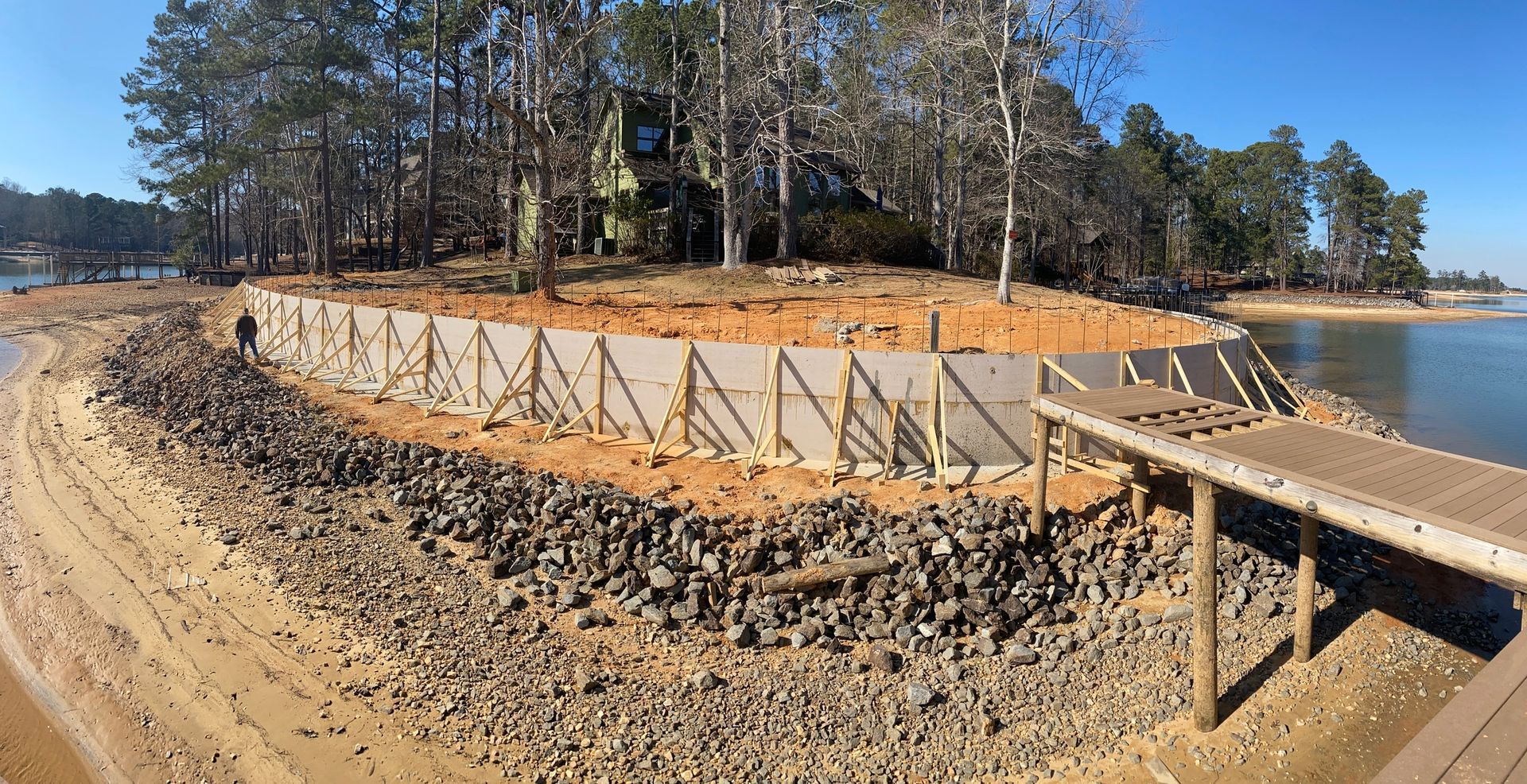
When you break down a typical wall project using old-fashioned removable forms, the first big cost is labor. Crews have to move heavy materials into place, assemble complex forms, brace them, pour the concrete, and then come back days later to strip it all away. Every one of those steps requires skilled workers. Every one of those steps burns time. Every hour a crew spends putting up and tearing down forms is money walking out the door.
Cemwall eliminates all that extra labor. Our pour-in-place panels stay in place. Once they are up, they are part of the finished wall. There is no stripping, no hauling debris, and no worrying about scheduling a second crew just to come back and undo what you already paid to build. Your team can move straight from set-up to pouring concrete without losing momentum.
Traditional formwork is also extremely wasteful. Lumber and plywood used for forming are often tossed after just one or two uses, especially if they warp or get damaged during stripping. That means you are constantly buying new materials for each project, eating into your margins. Cemwall panels are designed to stay with the structure. Nothing is wasted. Every piece you install is there for the life of the wall, creating a cleaner, more sustainable jobsite and lowering your material costs from day one.
When you are using traditional methods, you are also betting against the weather. Wet conditions, freeze-thaw cycles, and temperature swings can ruin temporary forms, delay pours, and cause surface defects that require costly rework. Cemwall helps reduce weather-related delays by cutting down the number of moving parts. Our panels are moisture-resistant and built to handle real jobsite conditions without falling apart. That means faster schedules and fewer costly setbacks.
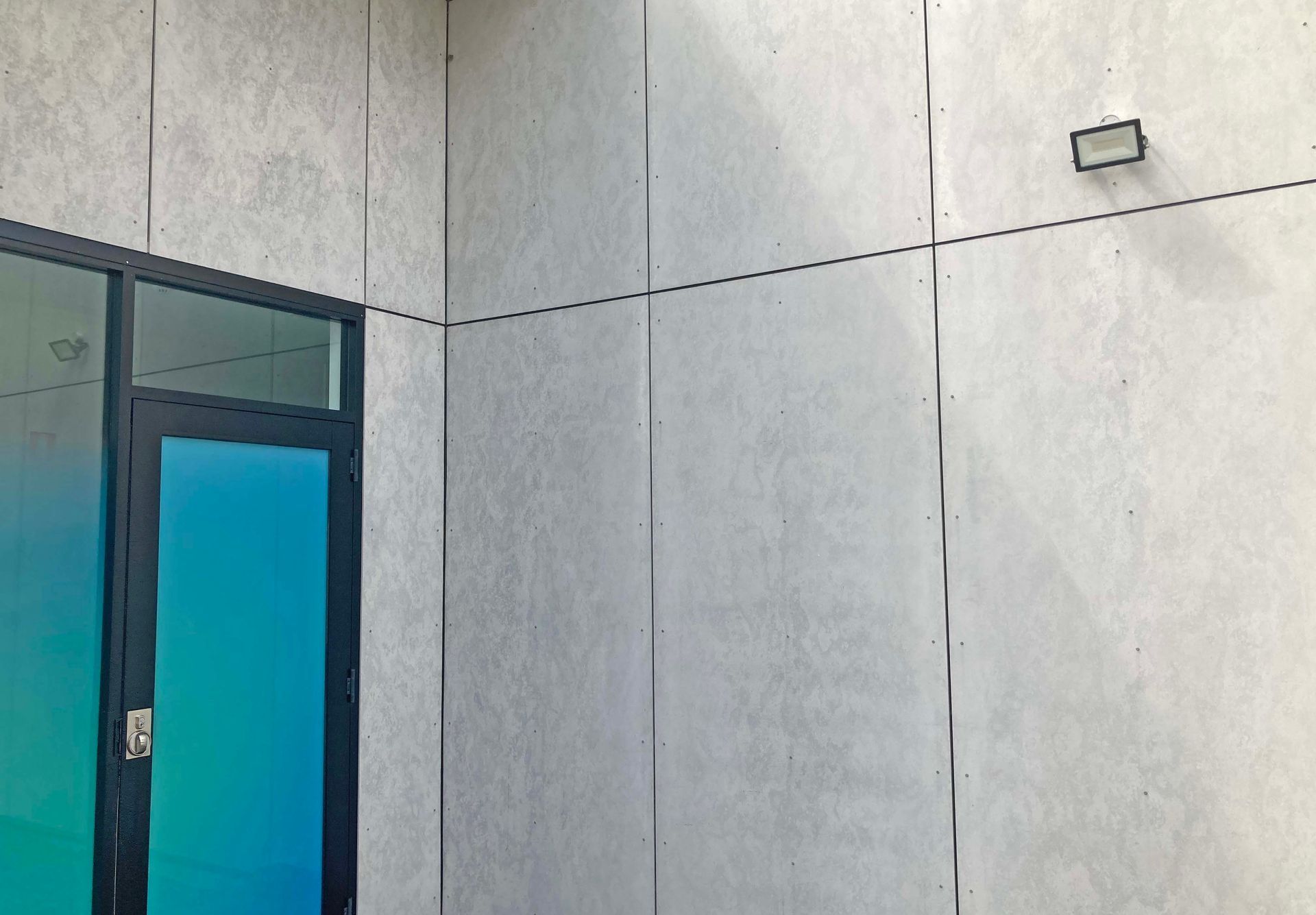
Finishing costs add up too. With removable forms, you are usually left with rough concrete that needs patching, grinding, or covering up before it is ready for the next stage. Those extra trades and extra hours do not come cheap. Cemwall gives you a smooth, ready-to-finish surface from the start. After the pour, a quick skim coat is all you need before you can move straight to paint, stucco, or plaster. No patching. No extensive surface prep. Just a better finished product with less time and less cost.
Let’s not forget equipment costs. Traditional concrete work often requires cranes, hoists, or heavy equipment just to move and position form materials. That is not just an added expense. It is added risk, added scheduling complexity, and added opportunity for something to go wrong. Our panels are lightweight and easy to handle. Crews can install them quickly with basic tools and minimal machinery. That is more flexibility on the jobsite and fewer days burned waiting for equipment to show up.
One of the hidden costs that most people do not talk about is mistakes. Traditional forming is complicated. It is easy to miss something. Misaligned forms, poor bracing, inadequate vibration — all of these can lead to weak spots, blowouts, and surface flaws. Every mistake costs time, money, and sometimes even your reputation with the client. Cemwall’s system is designed to be simple, repeatable, and foolproof. Our patented cup system ensures that concrete flows fully through the panel without vibration, creating strong, solid walls every time. You are not just saving labor and materials. You are avoiding the costly mistakes that eat into profits.
There is also a long-term savings that matters for owners and developers. Cemwall walls are stronger, more durable, and more resilient than traditional builds. They are fire-resistant up to 1800 degrees Fahrenheit. They resist moisture, pests, and impact damage. They are compliant with FEMA and ICC debris impact standards, able to take a hit from 100 MPH debris without failure. That kind of long-term durability means fewer repairs, less maintenance, and longer life cycles for the buildings you deliver. Owners see it. Tenants see it. Lenders see it. And when your projects perform better over time, your reputation grows along with your business.
Time savings might be the biggest hidden cost of all. Every day your project stays under construction costs money. Workers. Equipment rentals. Temporary utilities. Extended insurance coverage. Every extra week chips away at profitability. Cemwall speeds up the critical path of wall construction by eliminating redundant steps. You do not have to build forms, pour, cure, strip, patch, and finish. You build once. You pour once. You finish once. Fewer steps means faster schedules, faster turnovers, and faster payouts.
If you are working on a large project or managing multiple sites at once, the savings scale even more. Smaller crews doing more work. Shorter schedules across multiple buildings. Reduced material waste across all your projects. Cemwall is not just a better way to build walls. It is a better way to run your business.
Another overlooked cost is insurance risk. Every piece of equipment and every added laborer on-site increases exposure. Heavy lifting injuries, equipment accidents, material handling issues — these risks grow the bigger and more complicated your jobsites are. Cemwall’s simplified system helps shrink the footprint of every project. Fewer crews. Less heavy equipment. Safer, cleaner jobsites. Over time, safer projects can also lead to lower insurance premiums and fewer claims.
Cemwall Systems is built for the real world where margins are tight, labor is hard to find, timelines are non-negotiable, and material prices are climbing. We understand that every dollar matters, and we built a system that helps you keep more of them where they belong — in your pocket.
If you are still bidding projects with traditional formwork, you are carrying a lot of hidden costs that you do not have to accept anymore. Let’s change that. Let’s build smarter, faster, and more profitably. Let’s move the industry forward together.
Ready to get started? Reach out to us at Cemwall Systems. We would love to talk about how we can help you bring cost-effective concrete walls to your next project, and every project after that.