How Cemwall’s Leave-In-Place Panels Are Changing the Future of Concrete Construction

How Cemwall’s Leave-In-Place Panels Are Changing the Future of Concrete Construction

Building concrete walls has not changed much in decades. Traditional methods involve setting up heavy forms, pouring the concrete, waiting for it to cure, and then stripping the forms away. It is slow, labor-intensive, and expensive. We knew there had to be a better way, and that is exactly why we developed Cemwall Systems.


Our leave-in-place pour-in-place panels are changing the future of concrete construction for good. We are not just tweaking old methods. We are giving contractors, builders, and architects a whole new way to think about building strong, reliable walls faster and smarter.


At the heart of Cemwall Systems is a simple idea. What if you did not have to remove the forms at all? What if the form itself became part of the wall? Our patented fiber cement panels are designed to stay in place, creating a permanent, durable exterior finish while the concrete cures inside. There is no stripping, no wasted time, and no extra steps. Just stronger walls built faster and with fewer headaches.


The key to making it work is our patented cup system. Every panel comes pre-fitted with specially designed cups that line up perfectly for rebar installation. These cups allow the concrete to flow completely through the system, eliminating voids and air pockets without the need for vibration. When the concrete sets, you are left with a solid, monolithic structure with continuous reinforcement from top to bottom.


Corners are one of the trickiest parts of traditional wall construction, but we have made that easier too. Our interlocking corners use a candy cane style rebar layout that locks everything together into one unified structure. No weak points. No extra framing. No extra labor.


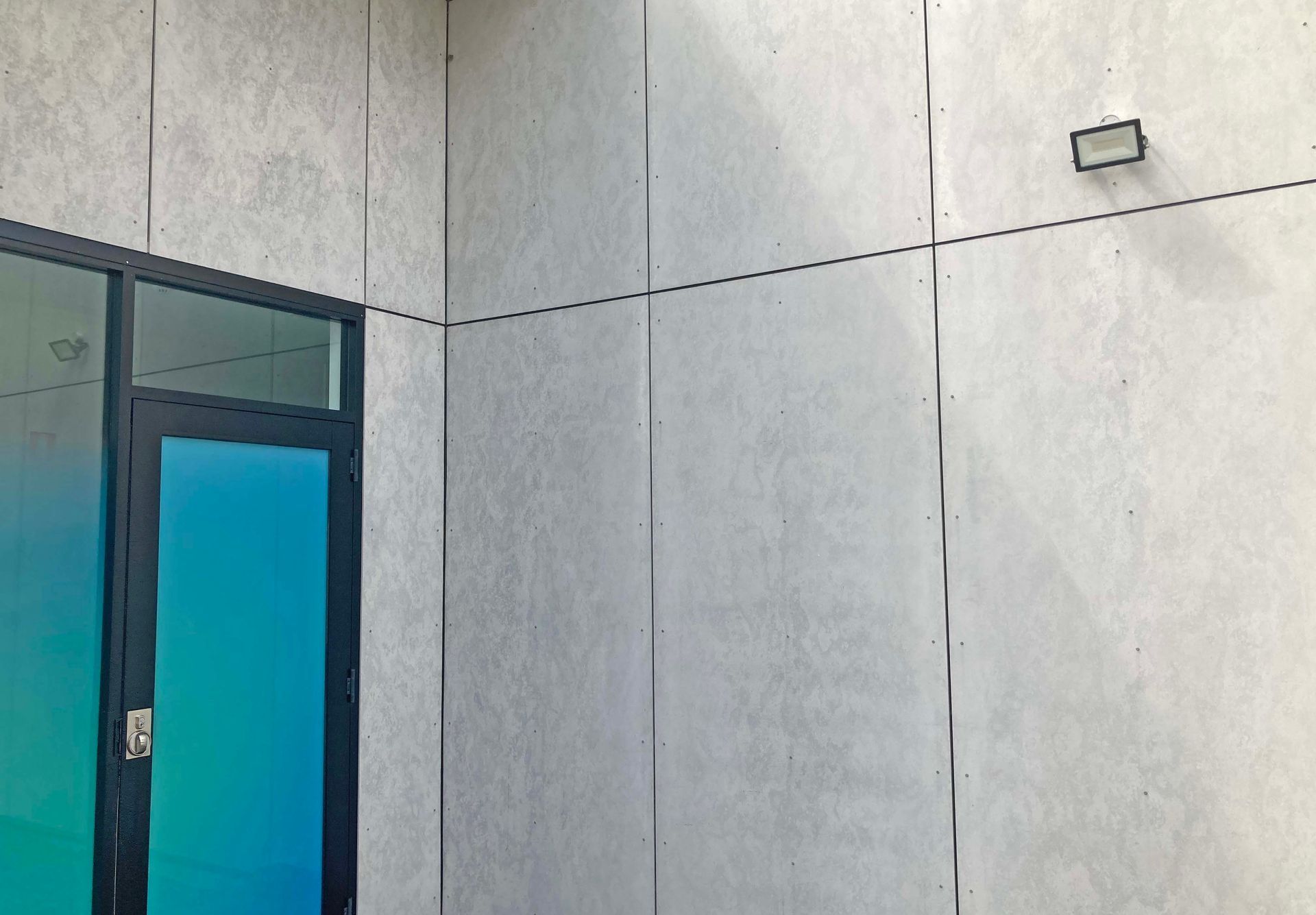
Another advantage of our concrete wall system is the finish. Our panels overlap with a tongue-and-groove system that covers the seams cleanly and provides easy access to the cups during the build. After the wall is poured and cured, you simply apply a skim coat, and the wall is ready for paint, stucco, or plaster. There is no additional cladding or complicated finishing steps required.


Traditional formwork creates a ton of waste. Lumber, plywood, nails, and screws get used once and then thrown away. With Cemwall, there is no waste. Every piece of our system stays as part of the final structure, cutting down on material costs and reducing environmental impact at the same time. We help builders deliver stronger projects while helping meet sustainability goals.


Labor shortages are one of the biggest challenges in construction today. We designed Cemwall to solve that problem too. Our panels are lightweight compared to traditional formwork, easy to install, and require fewer crew members to handle. A smaller, less specialized team can move faster with Cemwall, keeping projects on schedule even when labor is tight.


We also made sure our system delivers the kind of durability builders demand. Our fiber cement panels are made with high-density 10,000 PSI cement. They are fire-resistant up to 1800 degrees Fahrenheit. They do not absorb moisture like traditional materials. They are impervious to pests. And they are tough enough to meet FEMA and ICC debris impact standards, withstanding impacts from debris traveling at 100 miles per hour, launched by 250 mile per hour winds.


Whether you are building a commercial property, a residential development, a school, a hospital, or a high-security facility, Cemwall Systems are built to last and built to protect.


Speed matters on every construction site. Every day saved on a project cuts costs and gets owners into their buildings faster. By eliminating form stripping, reducing setup time, and cutting back on crew size, Cemwall helps you move faster without sacrificing quality. Our system is easy to stage, easy to assemble, and easy to pour.


We do not just provide the panels. We provide the full support you need to succeed. Every Cemwall project comes with professional build plans and material schedules. You will know exactly what you need, when you need it, and how to assemble it. Our team is here to support you at every step, from the first set of drawings to the final skim coat.


The future of wall construction is not about doing the same thing faster. It is about doing it smarter. It is about building walls that are stronger, safer, and more sustainable. It is about giving contractors better tools so they can deliver better buildings. That is what Cemwall Systems is all about.


Pour-in-place concrete panels are not just an idea anymore. They are on job sites right now, delivering real results for real projects. Builders who use Cemwall are seeing faster timelines, lower labor costs, cleaner job sites, and better long-term performance. They are also seeing happier clients and fewer callbacks.


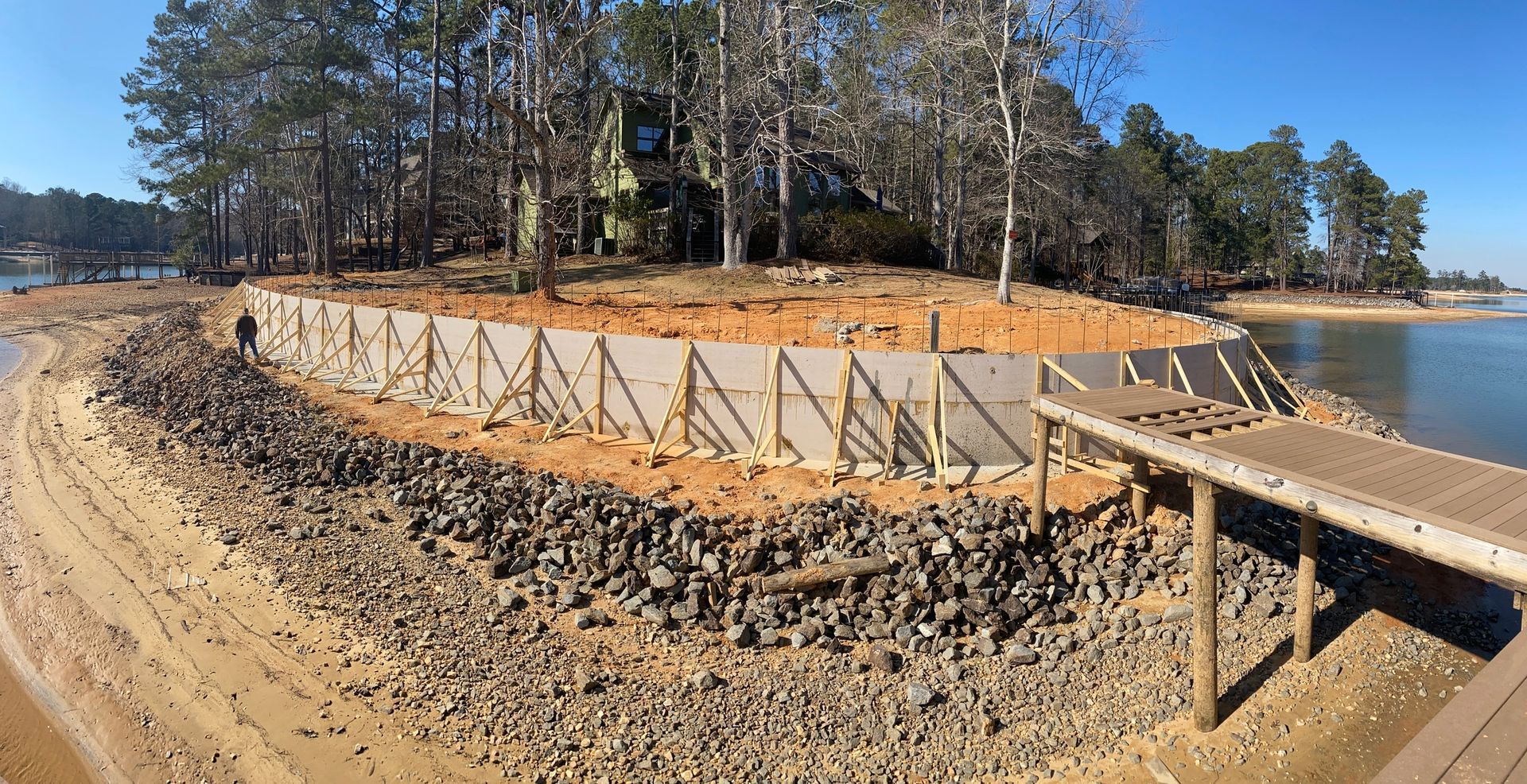
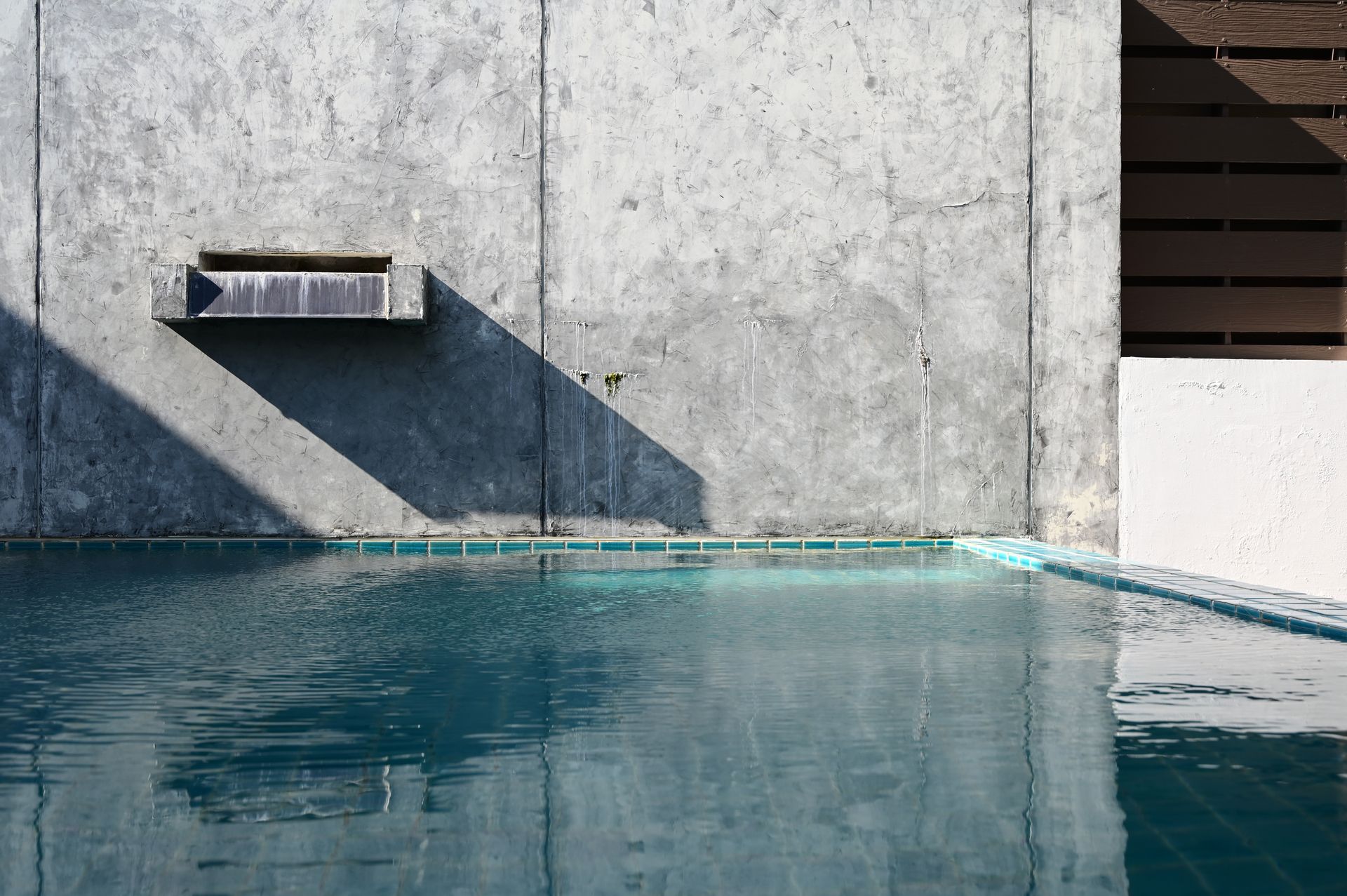
We built Cemwall to be versatile too. It is ideal for load-bearing walls, retaining walls, pool structures, security walls, and even specialized builds like safe rooms or FEMA-compliant shelters. Whatever the project demands, our concrete wall system can be adapted to fit.


One of the things we hear most often from builders after their first Cemwall project is how much easier it makes the whole process. No complicated setups. No scheduling around form removal crews. No scrambling to fix damage from stripping forms too early. Just consistent, dependable performance from the start of the project to the finish.


We are proud of the innovation behind Cemwall, but we are even prouder of the results it delivers out in the real world. Construction is about solving problems, not creating them. Cemwall Systems is built to solve some of the biggest problems builders face today, and to do it in a way that makes projects faster, more profitable, and more resilient.


If you are looking for a better way to build concrete walls, it is time to take a closer look at Cemwall Systems. Let us show you how we can help you deliver stronger structures with less hassle. Let us help you move faster, build better, and stay ahead of the curve.


The future of concrete construction is not coming. It is already here. And it starts with Cemwall.

By VIV Builder August 10, 2026
Discover how concrete wall systems improve pools, retaining walls, and specialty builds with strength, moisture resistance, and long-term durability.
By VIV Builder August 3, 2026
Discover why concrete wall systems are ideal for commercial and industrial buildings, offering durability, fire resistance, and faster construction.
By VIV Builder July 27, 2026
Learn why concrete wall systems are ideal for hurricane-prone areas, offering greater strength, moisture resistance, and storm protection.
By VIV Builder July 20, 2026
Learn how Cemwall panels reduce labor, simplify concrete wall construction, and help builders complete projects faster without sacrificing strength.
By VIV Builder July 20, 2026
Discover how fire-resistant concrete wall systems improve building safety, durability, and long-term protection for homes and businesses.
By VIV Builder July 13, 2026
Compare concrete wall systems to traditional wood framing and learn why builders choose concrete for greater strength and durability.
By VIV Builder July 13, 2026
Learn how FEMA-rated concrete wall systems help protect buildings from hurricanes, tornadoes, and extreme weather with lasting strength.
By VIV Builder July 6, 2026
Learn why builders choose fiber cement concrete wall systems for faster construction, greater durability, and long-lasting structural performance.
By VIV Builder July 2, 2026
Discover how leave-in-place concrete wall panels speed construction while delivering durable, reinforced walls for residential and commercial projects.
March 24, 2026
Choosing the right wall system for a commercial or industrial project is one of the most important decisions made during the planning phase. It is not just about selecting a material, it is about choosing a system that will impact construction timelines, long term performance, operating costs, and the overall value of the building. With so many options available, understanding what actually matters in that decision can help you avoid costly mistakes and set your project up for success from the start. One of the first things to consider is how the wall system fits into your overall project goals. Every project has different priorities, whether it is speed to completion, long term durability, energy efficiency, or cost control. The right system should align with those priorities rather than forcing compromises later in the process. Taking the time to define what matters most at the beginning makes it easier to evaluate your options and choose a solution that supports those objectives. Construction timeline is often a major factor in this decision. Wall systems play a critical role in how quickly a building can move from structure to completion. Systems that require multiple steps, trades, and extended installation time can slow down progress and create delays across the entire project. In contrast, systems that are designed for efficiency can help keep everything on track and allow other phases of construction to begin sooner. This has a direct impact on both schedule and cost. Durability is another key consideration that should not be overlooked. Commercial buildings are expected to perform for years while handling environmental stress, daily use, and changing conditions. Wall systems that are prone to wear, moisture issues, or structural limitations can create long term challenges that are expensive to address. Choosing a system that is built for durability helps reduce maintenance needs and supports consistent performance over time. Energy performance is becoming increasingly important in modern construction. The wall system plays a major role in how well a building maintains temperature, controls air flow, and manages energy use. Systems that provide consistent insulation and reduce air leakage contribute to lower operating costs and a more comfortable environment for occupants. This is not just a benefit, it is becoming a standard expectation in many commercial projects. Labor and installation requirements also influence the overall decision. Construction environments are facing ongoing challenges with labor availability, and systems that require complex installation processes can add unnecessary strain to the project. Wall systems that are designed to simplify installation and reduce the number of steps involved help create a more efficient workflow. This allows crews to complete work more effectively and reduces the risk of delays. Consistency and quality control are closely tied to the type of system you choose. Traditional construction methods can vary depending on the crew and conditions on site, which can lead to inconsistencies in the final product. Systems that are engineered for repeatable results help ensure that quality is maintained across the entire project. This reduces the likelihood of rework and supports a smoother construction process. Long term cost should also be evaluated beyond the initial price of materials and installation. While upfront costs are always part of the decision, the total cost of ownership provides a more complete picture. Wall systems that require frequent maintenance or experience performance issues can become more expensive over time. Investing in a system that supports long term reliability often leads to better financial outcomes. Flexibility is another factor that can impact how well a wall system supports your building over time. Commercial and industrial spaces often evolve, and having a structure that can accommodate those changes without major modifications is a significant advantage. A strong and adaptable wall system allows the building to meet future needs while maintaining its integrity. Working with the right partner is also an important part of the process. Choosing a wall system is not just about the product, it is about the expertise and support behind it. A knowledgeable team can help guide your decision, provide insight into how the system will perform, and ensure that installation is handled correctly. This level of support can make a meaningful difference in how the project comes together. Selecting the right wall system is about more than checking a box in the planning phase. It is about making a decision that supports every stage of the project, from construction to long term use. When the system aligns with your goals and is designed to perform, it becomes a foundation for success rather than a potential source of challenges.  CEM Wall Systems is focused on providing solutions that meet the demands of modern commercial construction. By prioritizing efficiency, durability, and long term performance, they help ensure that your project is built with a system that supports both immediate results and lasting value.
More Posts