How to Build Safer Structures in Hurricane Zones With Our Concrete Wall System
If you’re building in a hurricane zone, you know that safety isn’t optional. Between wind, water, fire, and flying debris, the materials you choose can make or break the integrity of your structure. That’s exactly why we created the Cemwall System.
We designed our concrete wall system for one reason: to give builders and homeowners a safer, faster, and more reliable way to build in areas where traditional materials fall short.
Let me walk you through how our system helps you build stronger and why it’s being used more and more in coastal regions.
Why Traditional Construction Doesn’t Cut It Anymore
We’ve seen it time and time again. A hurricane hits, and structures built with wood or block take the most damage. Wood warps, rots, and lets moisture in. Block takes time to install and doesn’t always hold up against high winds and impact.
We wanted a system that would be fast to build, easy to install, and still strong enough to withstand the extreme. That’s where our patented wall system comes in.
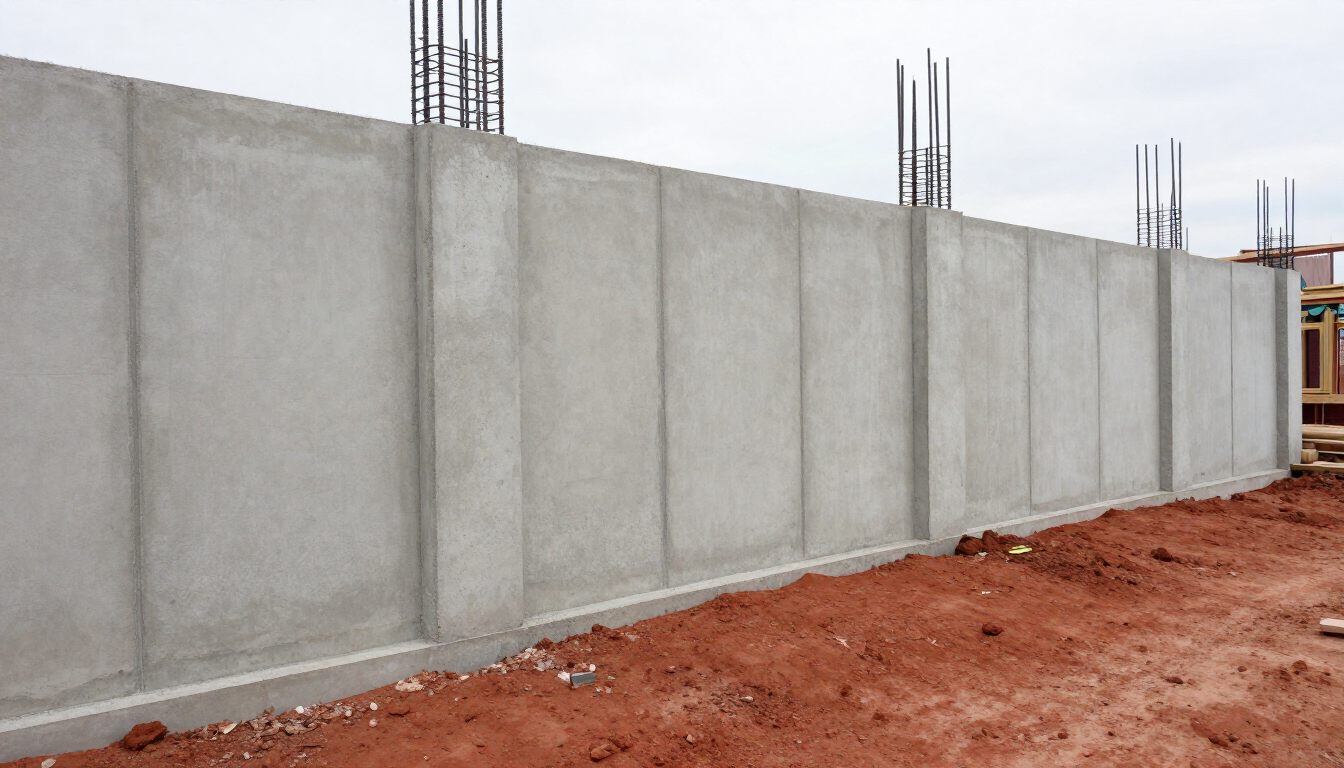
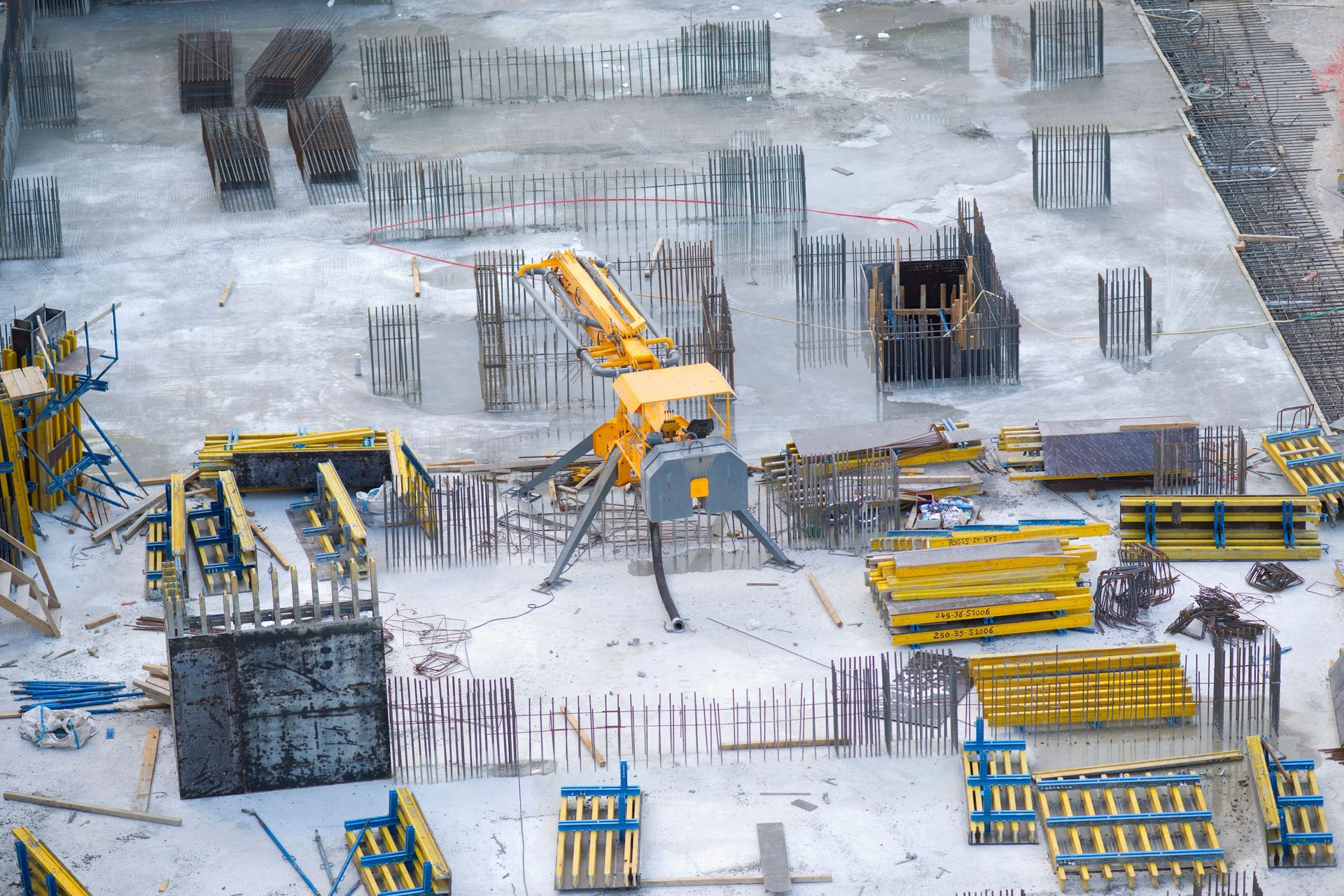
Each Cemwall panel is built with two cement-fiber boards and a reinforced concrete core poured directly on-site. We use a cup and J-hook rebar system that locks everything into place. Once installed, you’ve got a monolithic wall system that can take a beating and stay standing.
Tested for Real-World Impact
When we say durable, we don’t just mean we’ve tested it in theory. Our system is certified by FEMA for missile impacts up to 100 mph, accelerated by winds of 250 mph. That means our panels don’t just survive strong storms, they stand up to flying debris and the forces that come with coastal weather.
If you're working on a job in Florida, the Gulf Coast, or any region prone to hurricanes, you need materials that go beyond code. Our panels give you that extra layer of confidence.
Moisture and Pest Resistance That Lasts
Hurricanes don’t just bring wind, they bring rain, standing water, and long-term moisture issues. Our panels are built to resist all of it. They don’t absorb water, they won’t grow mold, and you don’t have to worry about termites or pests getting into the structure.
You also won’t find wood in our walls, which means you’re not inviting in the problems that come with it. That’s one less thing you or your client has to think about down the road.
Speed and Simplicity on the Job Site
Safety is key, but so is efficiency. We created this system to speed up your builds without cutting corners. Our panels are made in our facility and delivered ready to install. Once they're in place and the concrete is poured, you're looking at a structure that's strong, sealed, and ready to move forward.
That kind of speed can make a real difference when you're working on tight deadlines or trying to close in before storm season hits.
Lower Maintenance for Your Clients
One of the biggest benefits for homeowners and property managers is the long-term value. Our wall system holds up year after year with minimal maintenance. No wood rot, no shifting blocks, no surprise repairs after a storm. When you build with Cemwall, you’re giving people peace of mind.
And if you’re a builder, that means fewer callbacks and more satisfied clients.
It Works for More Than Just Homes
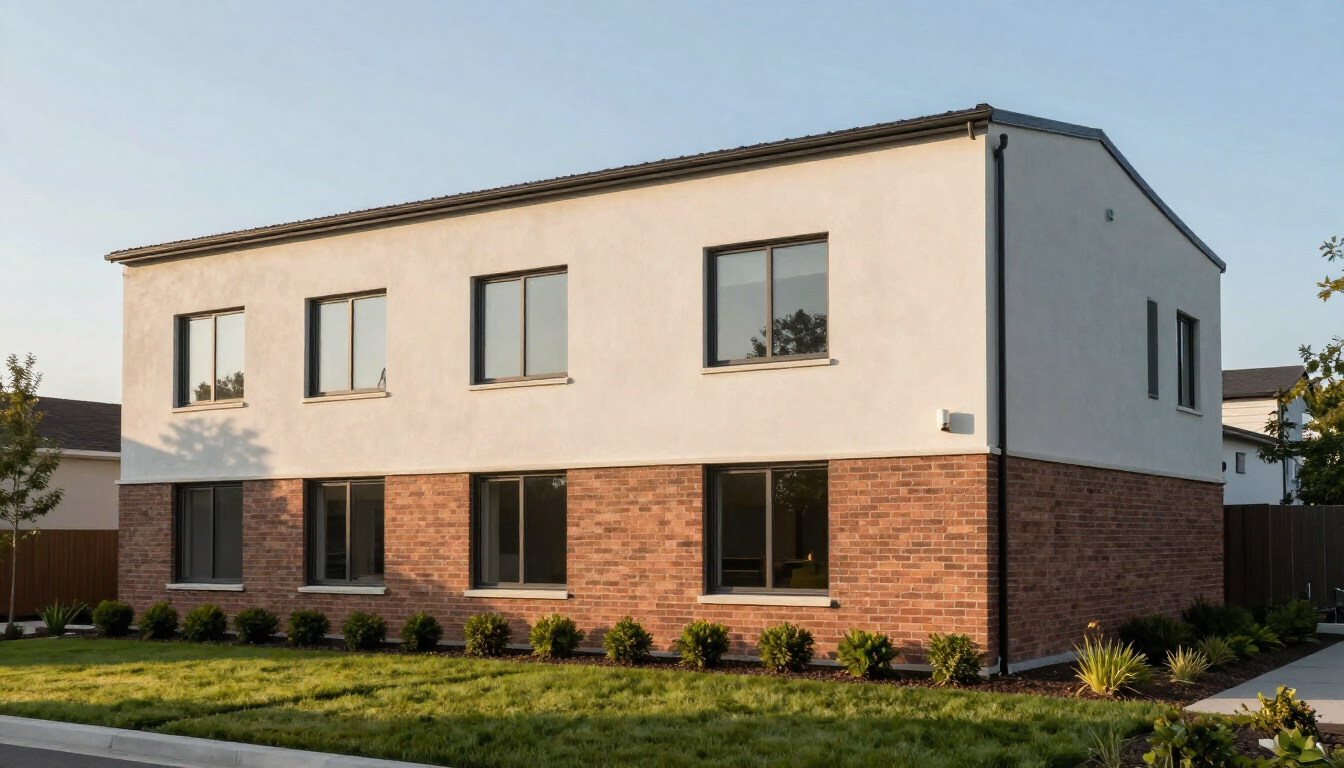
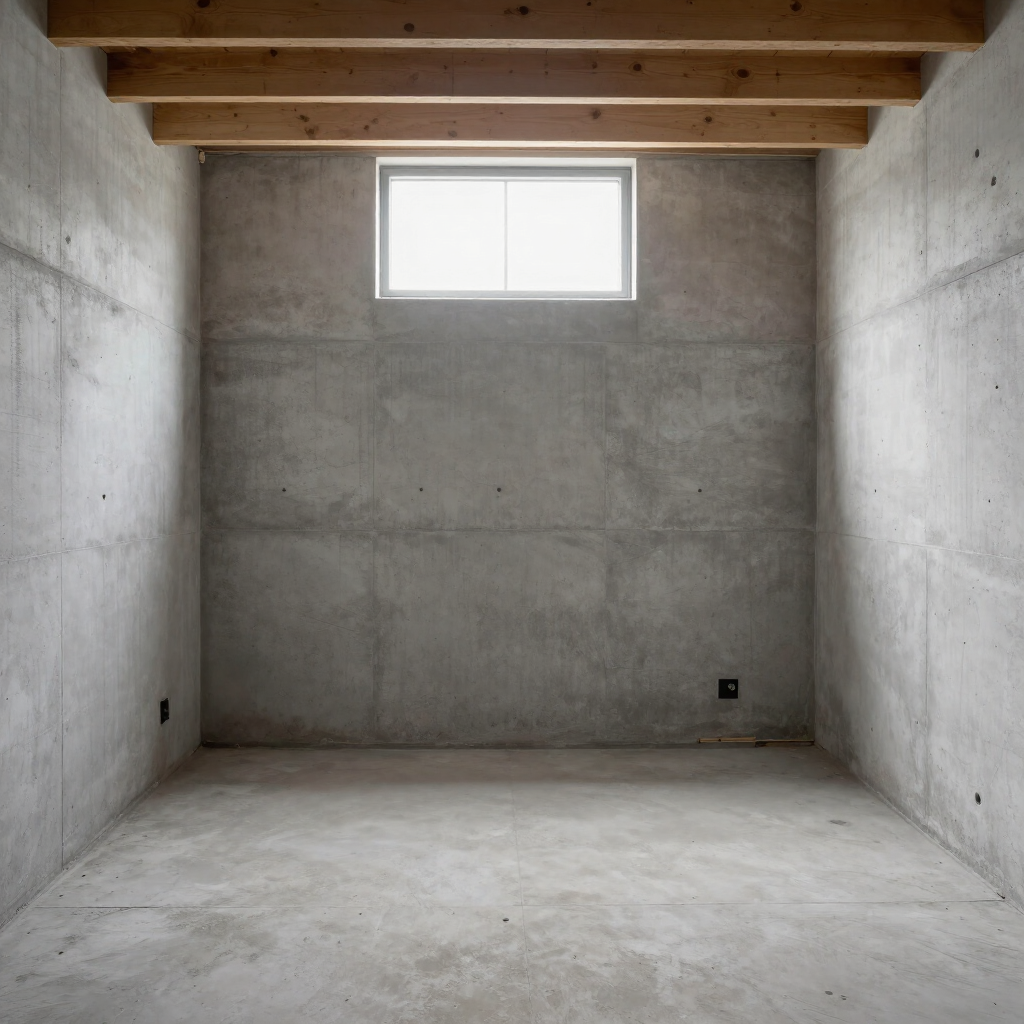
We’ve helped build everything from single-family homes to safe rooms, stem walls, and even commercial buildings using our system. Some clients use it for basements and pool shells, others use it to reinforce outdoor kitchens or privacy walls.
If you’ve got a project that needs to be strong, waterproof, pest-resistant, and fast to build, we can help you make it happen.
Want to Learn More? Let’s Talk
If you’re working in a hurricane zone and want to build smarter, let’s have a conversation. We can show you how our system works, what it costs, and how to get your team trained on it. We’ll walk you through the process and make sure your build meets the standards your clients expect.
Visit cemwallsystems.com/contact and get in touch with us today. We’re happy to connect you with a distributor, provide technical specs, or help plan your next project.
Let’s build something stronger.